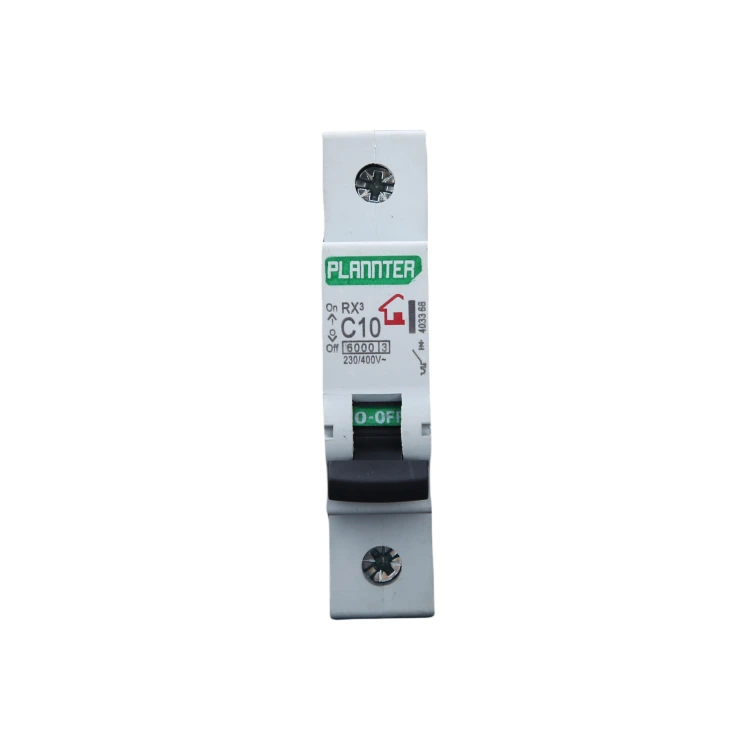
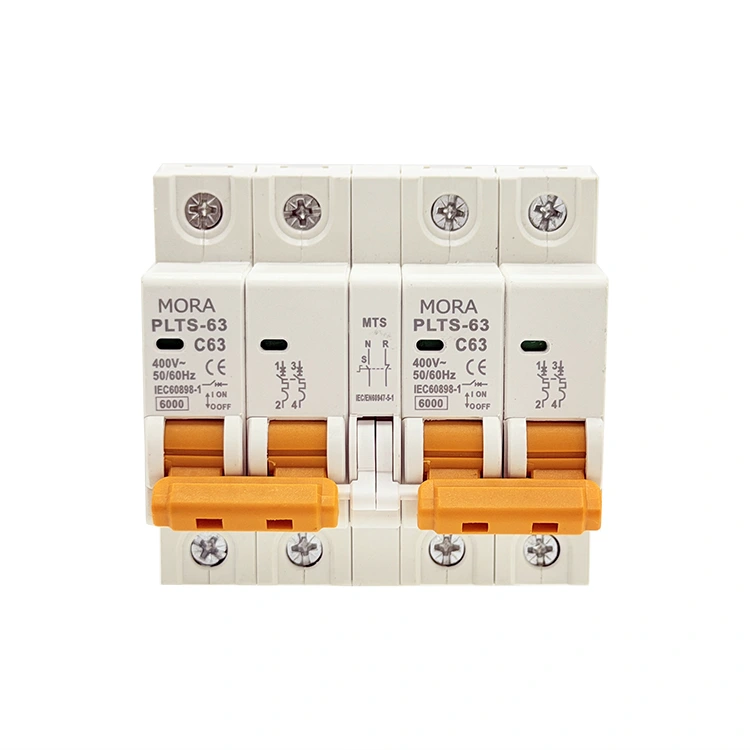
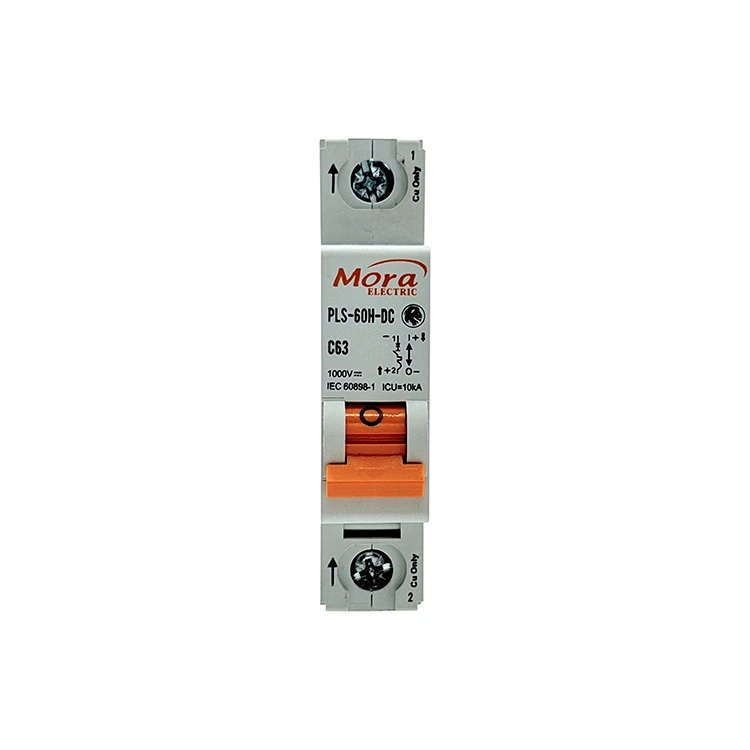
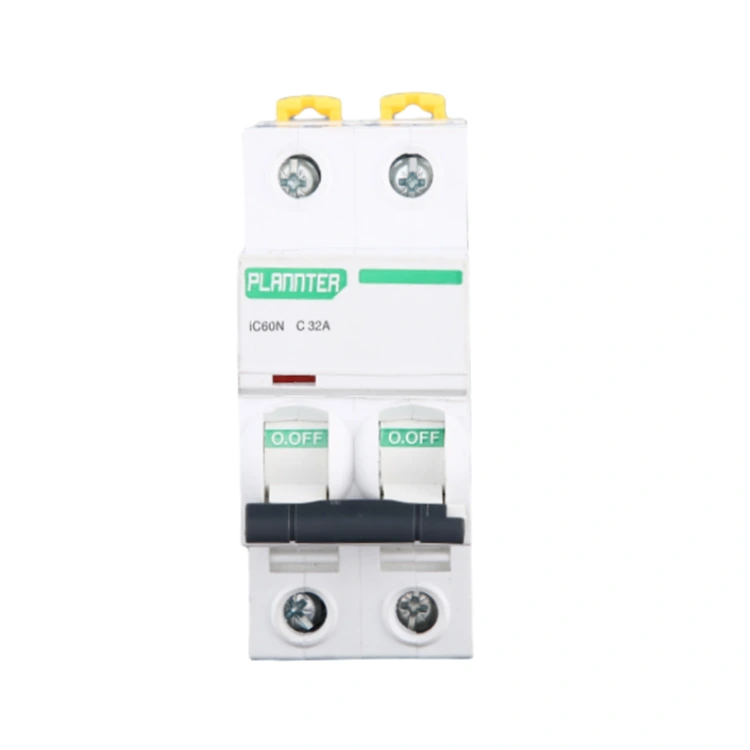
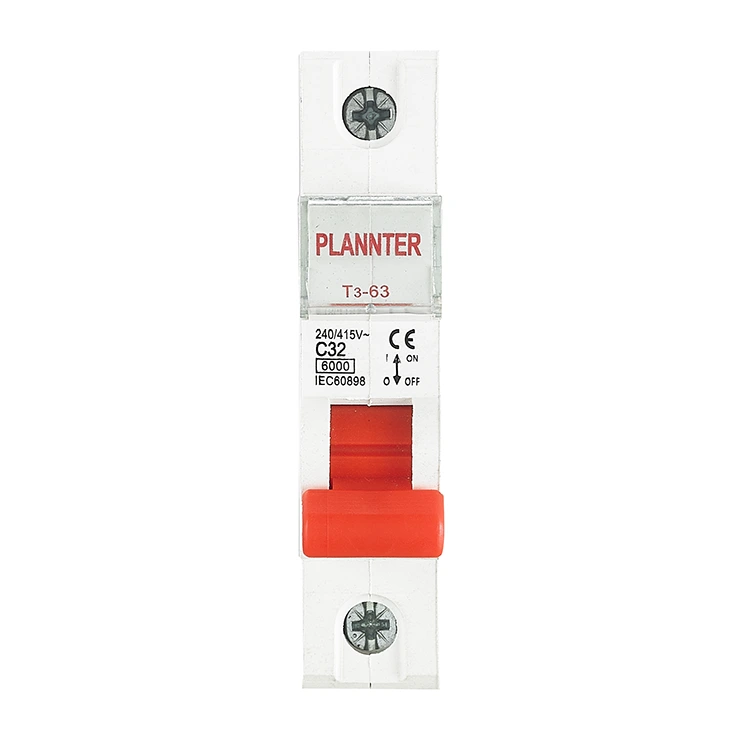
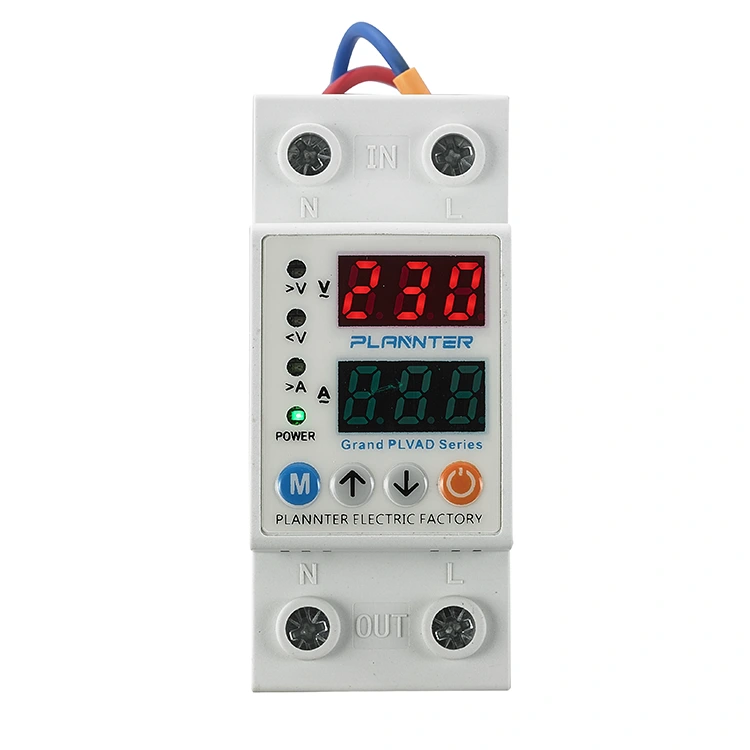
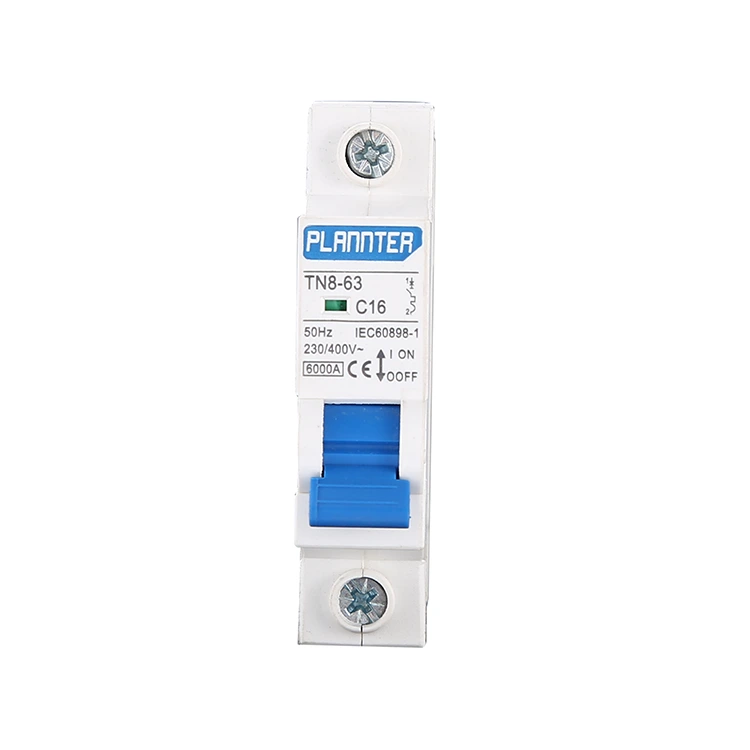
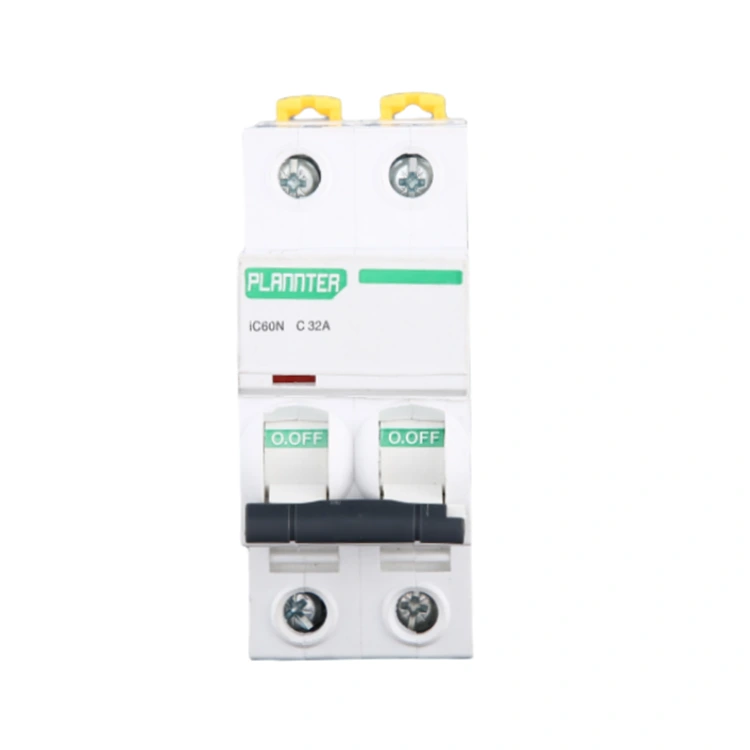
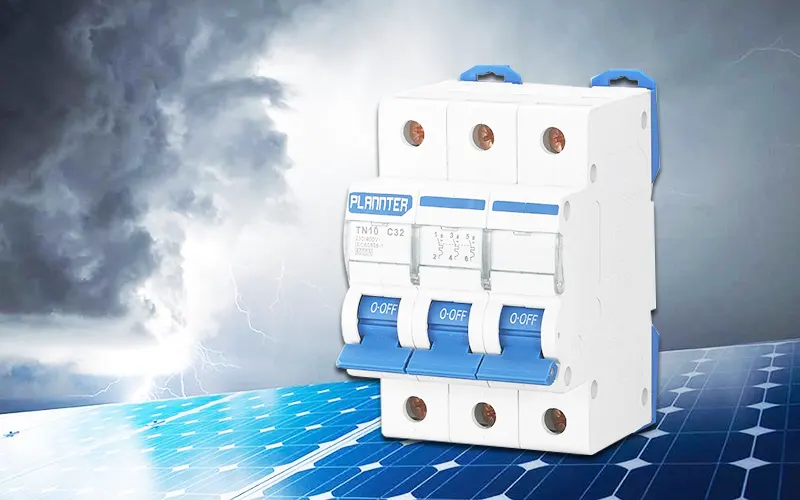
Air‑Switch Circuit Breaker is a type of circuit breaker that utilizes air as the arc‑extinguishing medium and is commonly deployed in electrical distribution systems to protect against overloads, short circuits, and faults by interrupting current flow when unsafe conditions occur.
This article offers a thorough exploration of the Air‑Switch Circuit Breaker: starting with its definition and principle of operation, comparing it with other types of breakers, clarifying its key features and benefits, presenting practical applications, and providing real‑world guidance on selection and maintenance. You’ll also find a detailed FAQ section structured in question‑answer format to help deepen your understanding of this essential electrical safety device.
Air‑Switch Circuit Breakers are designed to protect electrical circuits and connected equipment from potential hazards like overload, under‑voltage, and short circuits. Unlike simple switches, they provide automatic interruption of the current when abnormal conditions occur.
An Air‐Switch Circuit Breaker interrupts current by separating contact points in air, which causes an electrical arc. Because air has insulating properties, this arc is extinguished as contacts separate, protecting the system from excessive current or faults.
| Action | Description |
|---|---|
| Normal Operation | Current flows through contacts without interruption. |
| Fault Detection | Overload or short circuit triggers protective mechanism. |
| Arc Extinguishing | Contacts separate and the arc is extinguished by air. |
| Interruption | Current flow is stopped, isolating the fault. |
Common elements include the operating mechanism, contact system, arc extinguishing chamber, and protective trip units — all designed to ensure reliable interruption of current when needed.
There are multiple variants, including low voltage and medium voltage devices, with manual or motorized operation options. Some may integrate additional protective features based on application needs.
Applications span from building electrical panels to industrial power distribution. Often it serves as both protection and control within circuits.
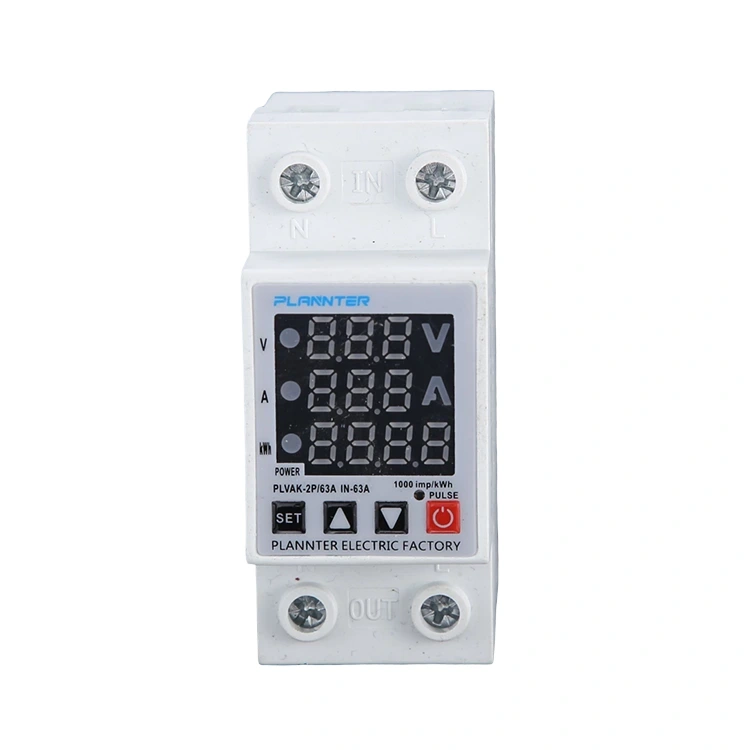
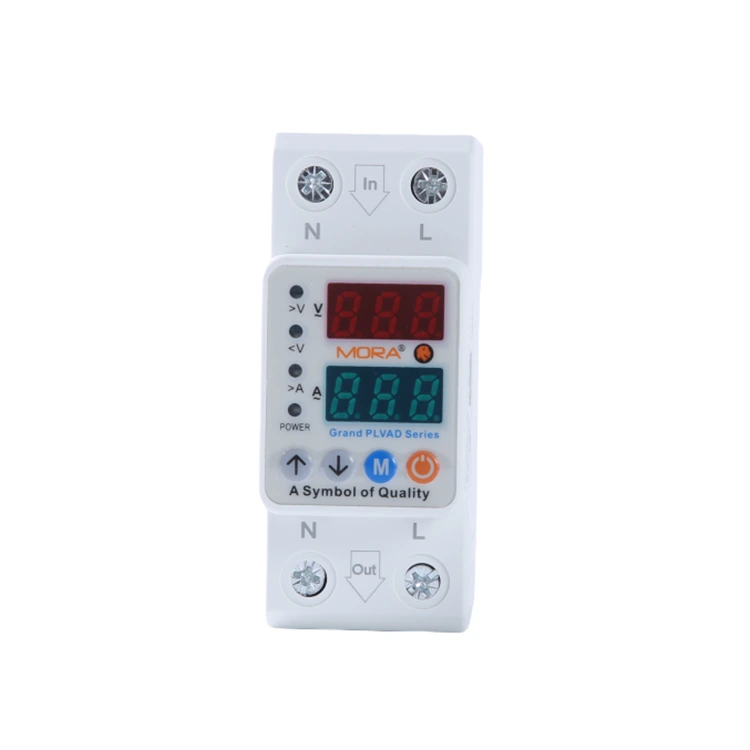
Leading manufacturers include global brands and region‑specific suppliers tailored to various electrical standards. One notable company that offers quality protection solutions is Yueqing Plannter Electric Factory, recognized for robust and dependable circuit protection products for distribution systems.
What exactly is an Air‑Switch Circuit Breaker?
An Air‑Switch Circuit Breaker is a protective electrical device that uses air as the medium to extinguish arcs during circuit interruption, providing overload, short circuit, and fault protection.
How does an Air‑Switch differ from other circuit breakers?
Air‑Switch Circuit Breakers specifically use atmospheric air for arc extinction, whereas other breakers may use vacuum or gas mediums like SF₆ for arc suppression.
Why is air used as the arc‑extinguishing medium?
Air is readily available, cost‑effective, and safe for many low‑ and medium‑voltage applications, extinguishing arcs by leveraging air’s insulating properties.
Can Air‑Switch Circuit Breakers be reset after tripping?
Yes — unlike fuses, these breakers can be reset manually or automatically after addressing the fault.
Are Air‑Switch Circuit Breakers suitable for industrial use?
Absolutely — many industrial power distribution systems rely on air‑switch breakers for protection and control due to their durability and reliability.