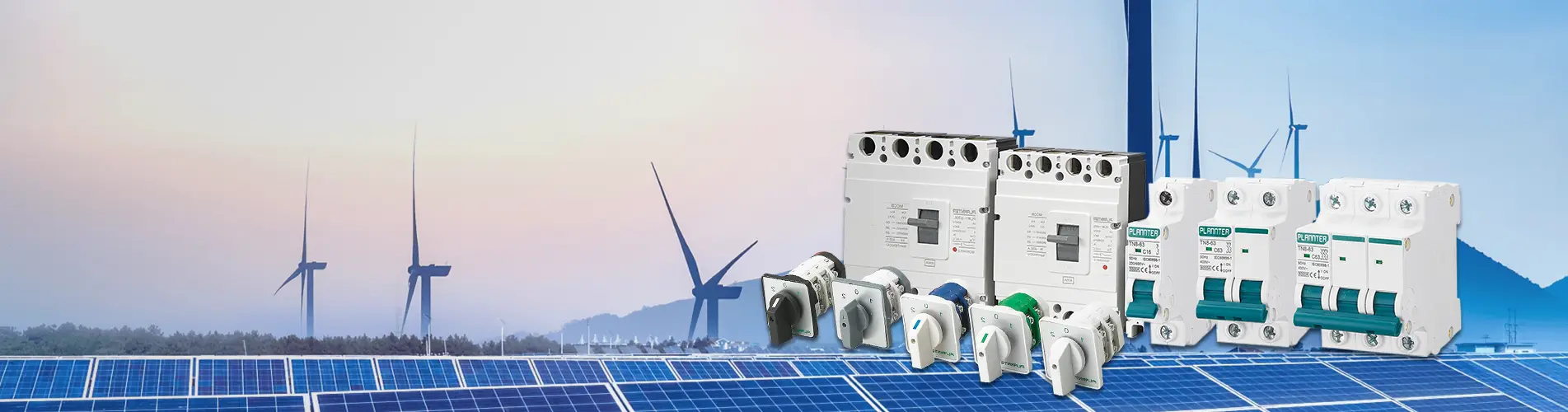
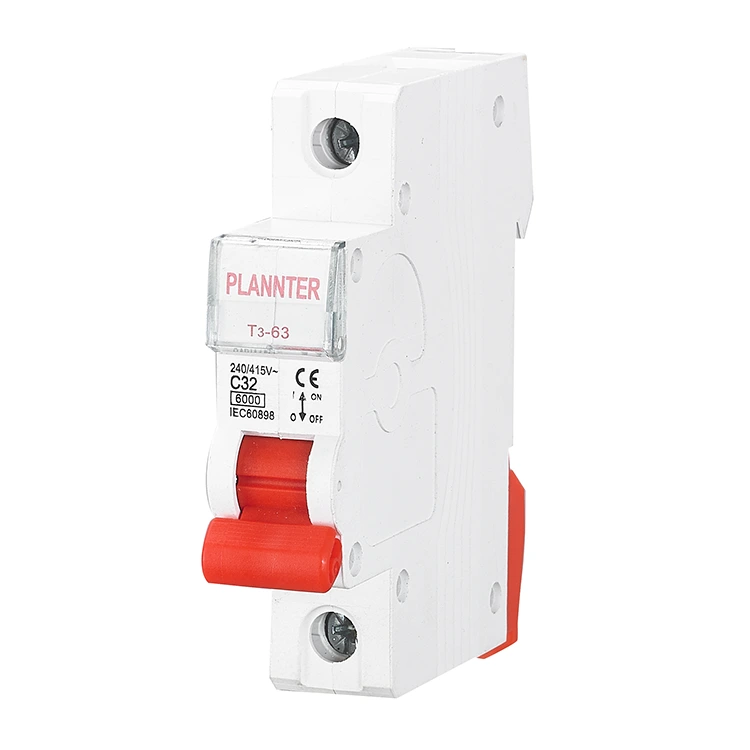
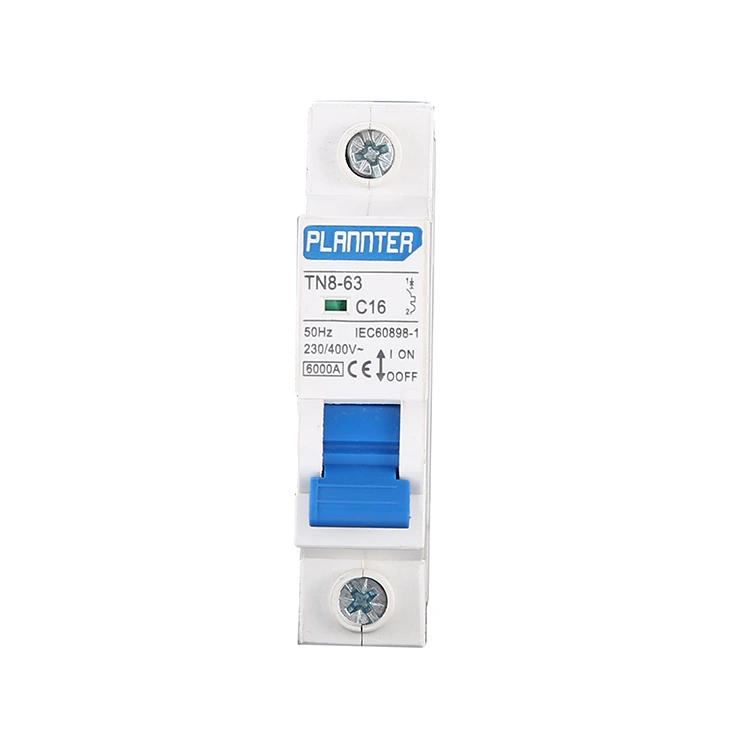
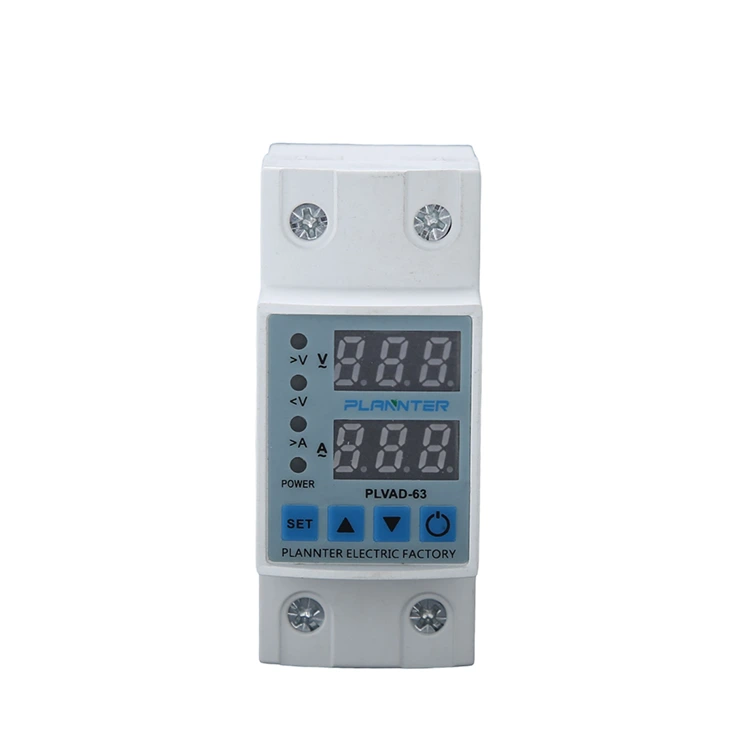
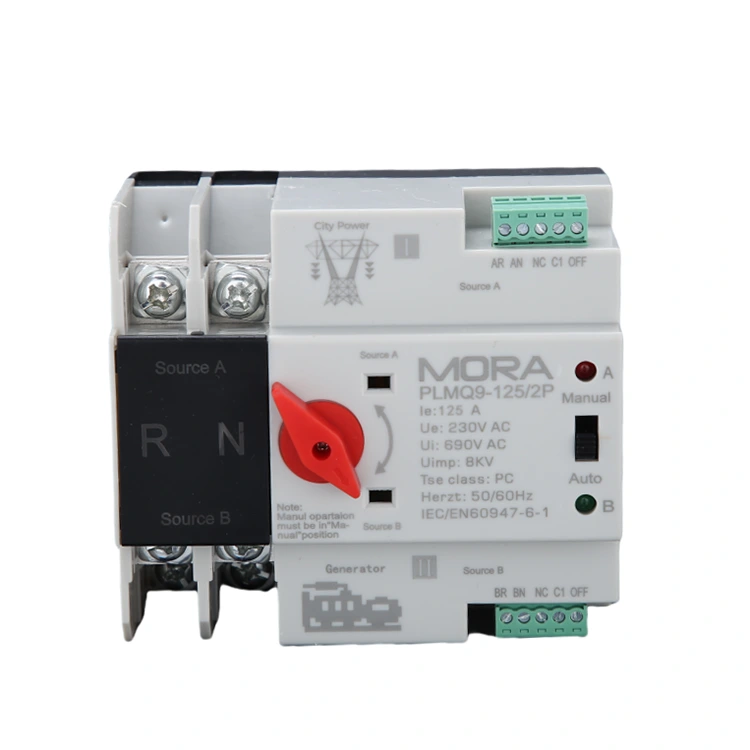
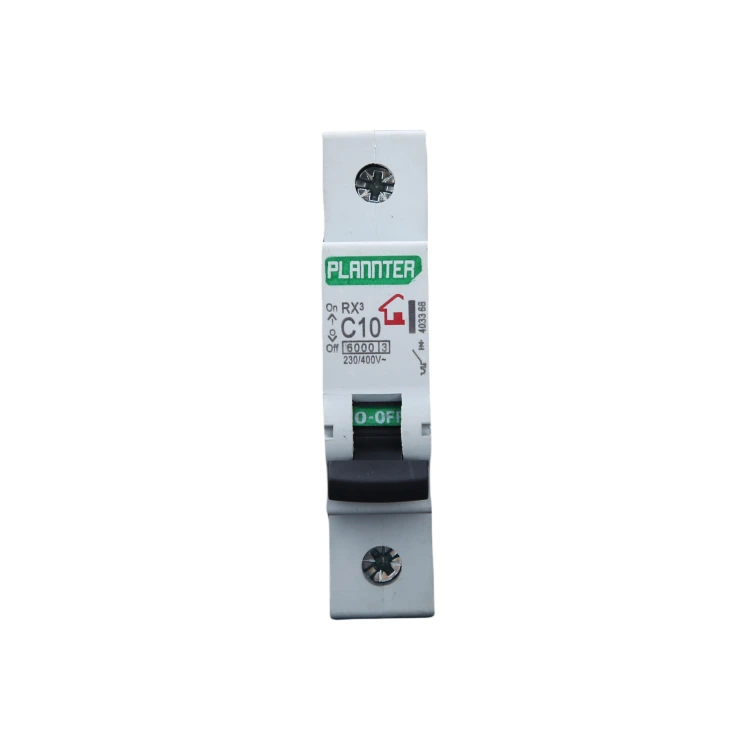
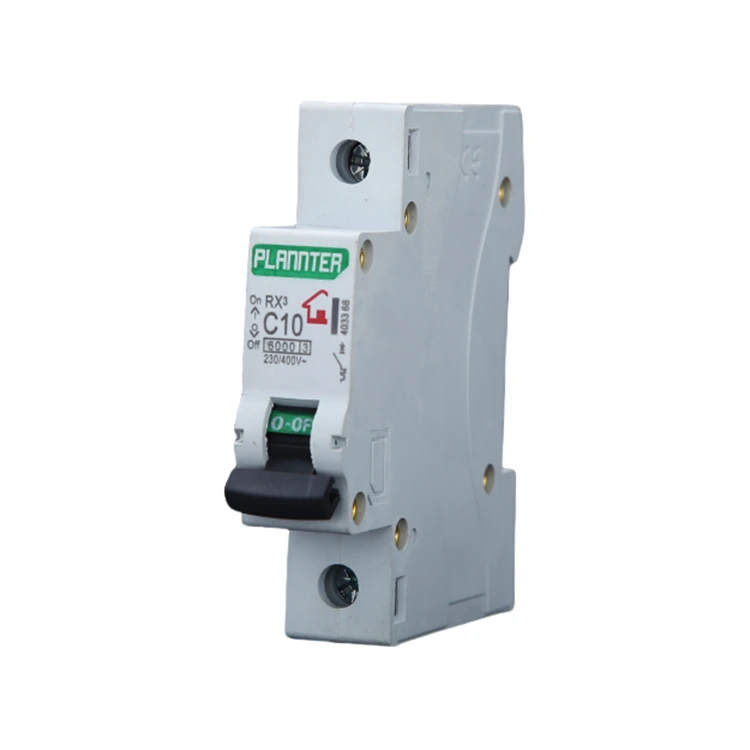
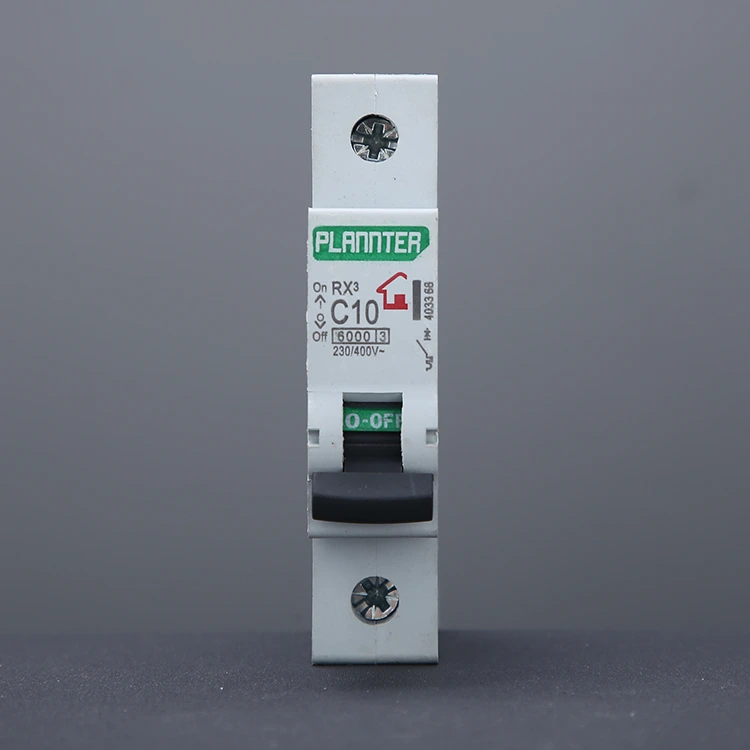
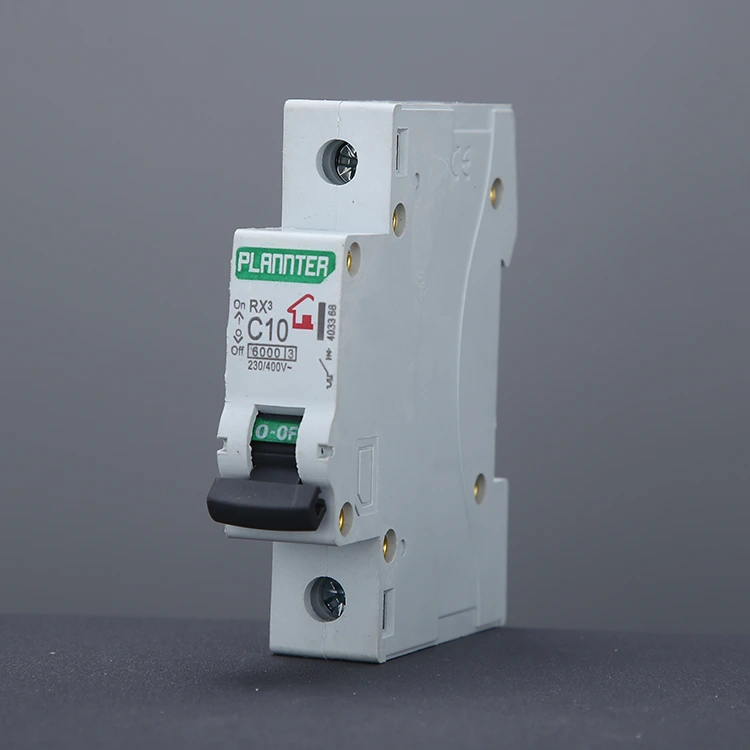
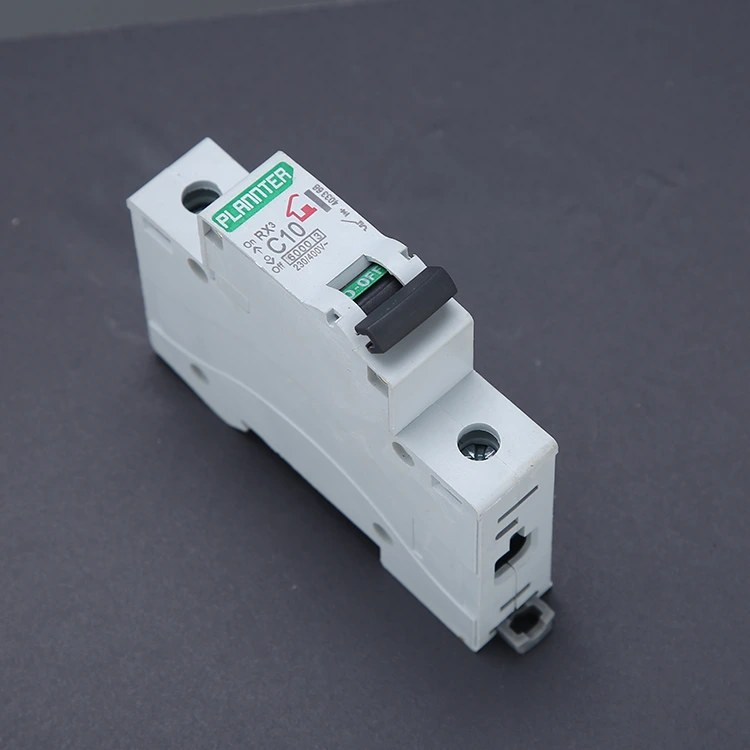
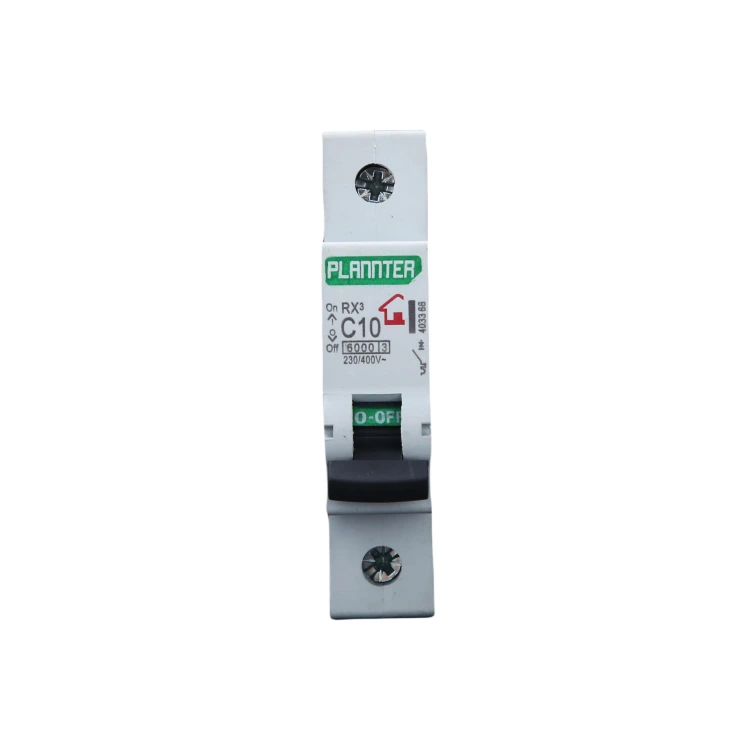
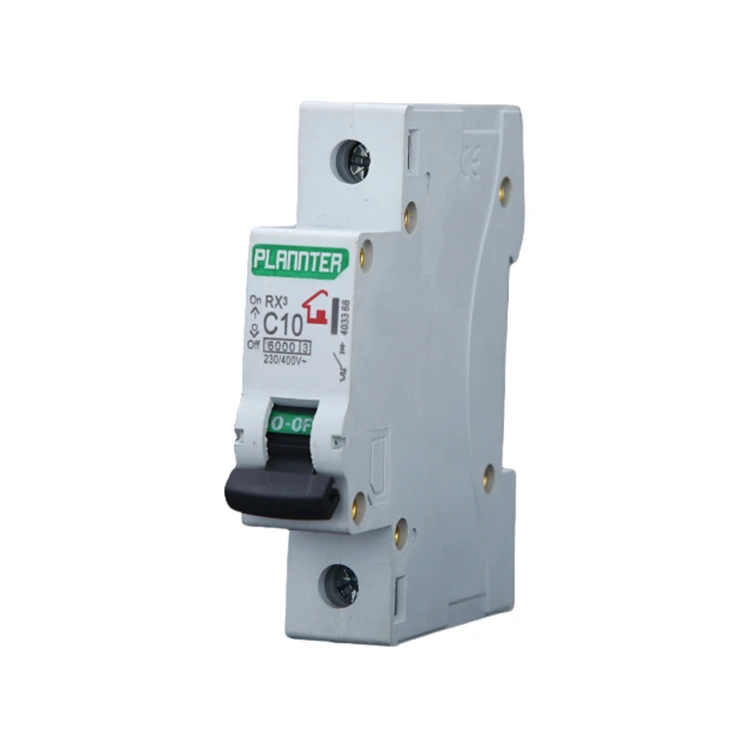
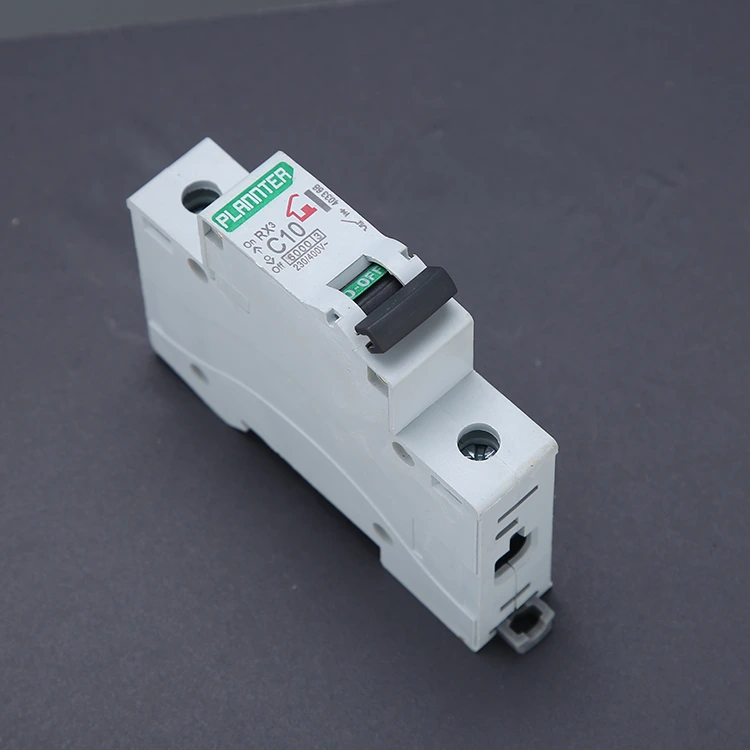
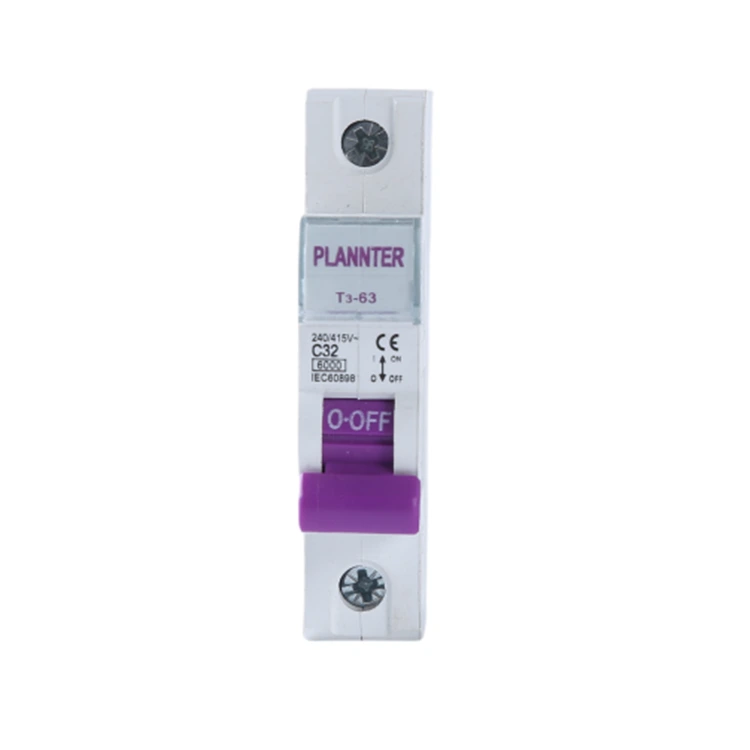
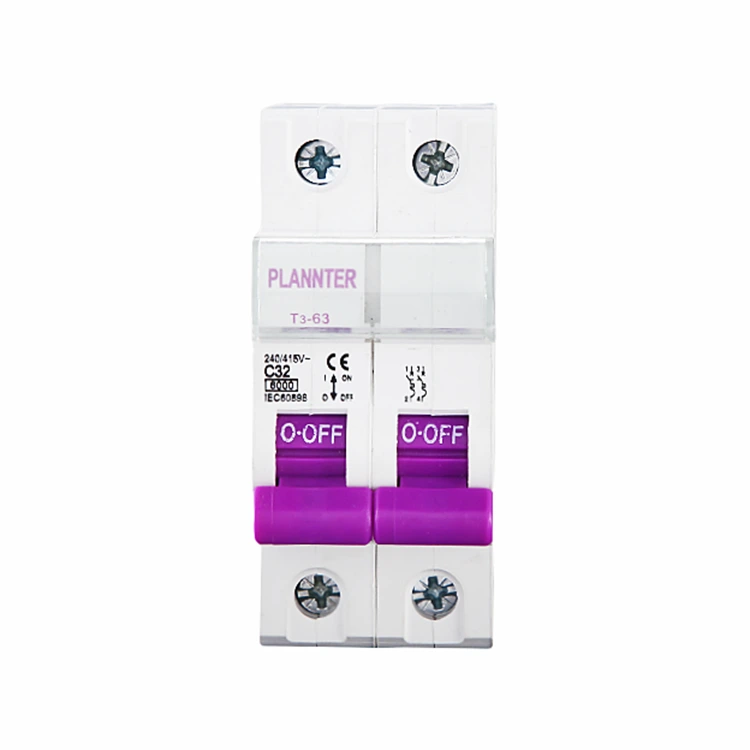
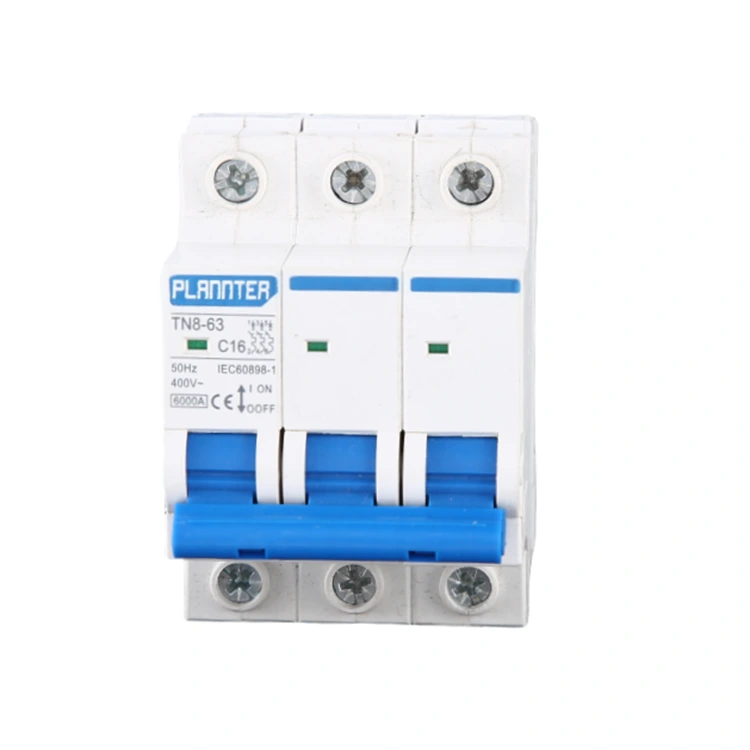
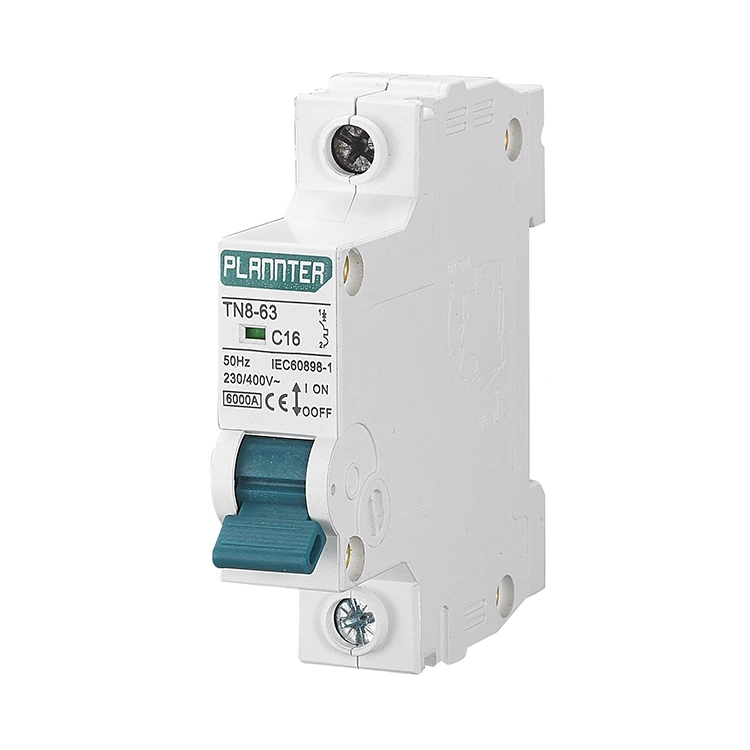
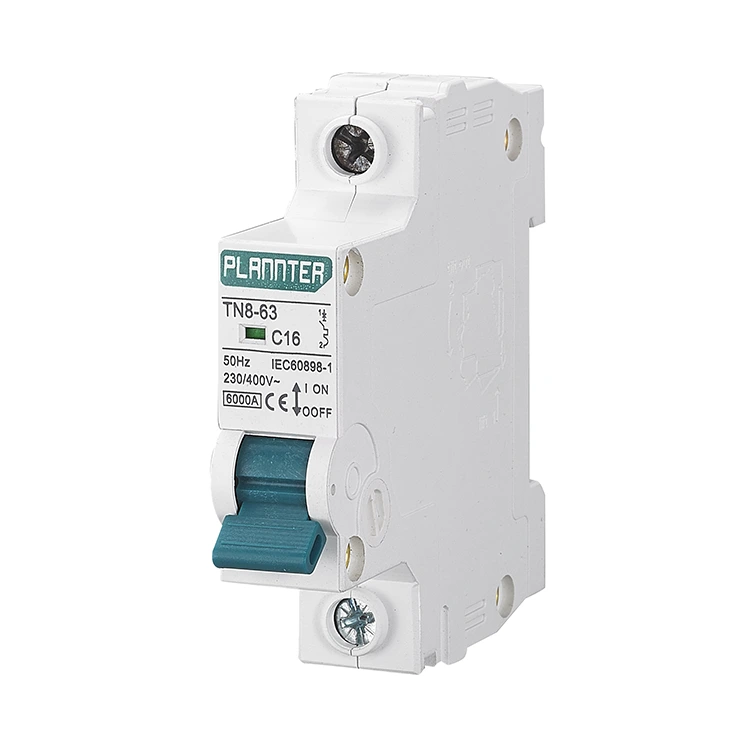
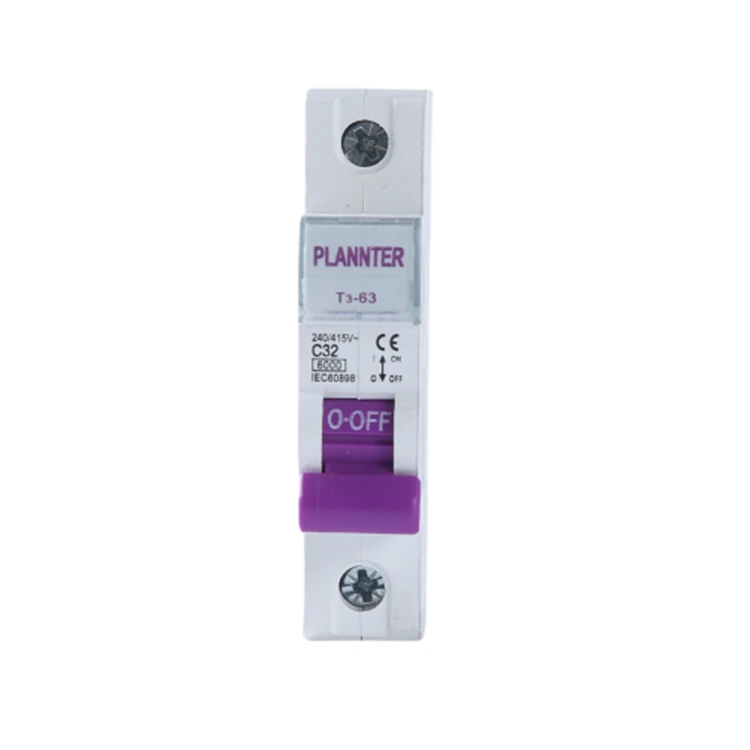
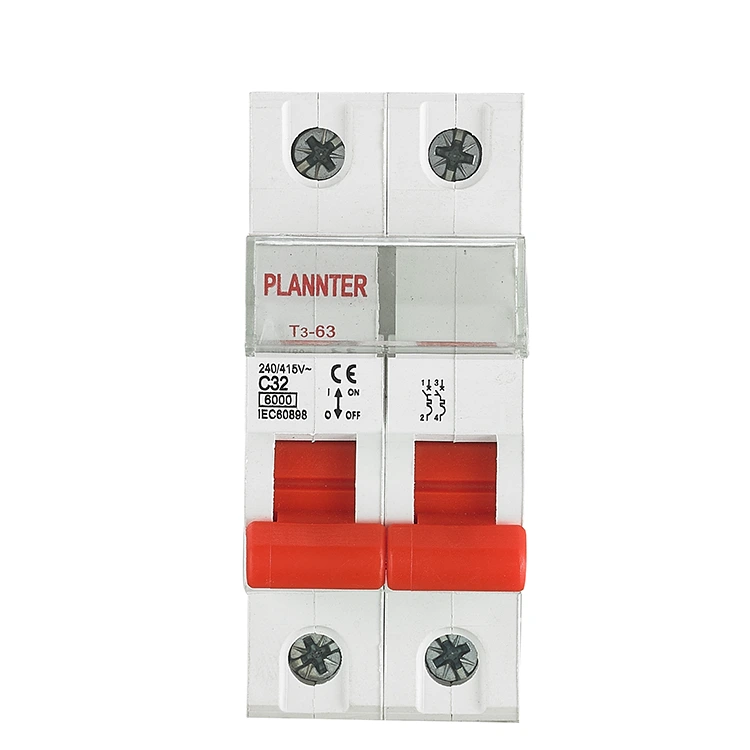
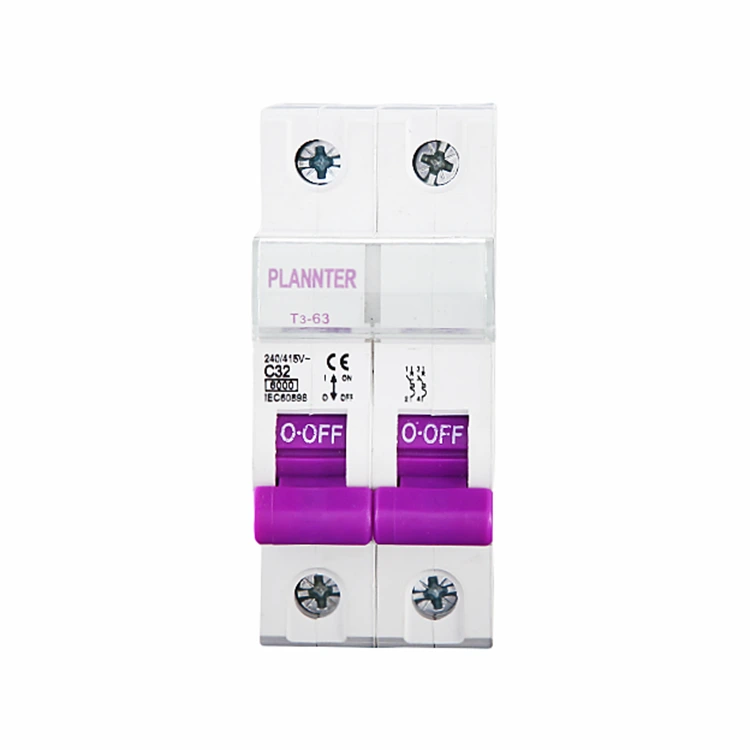
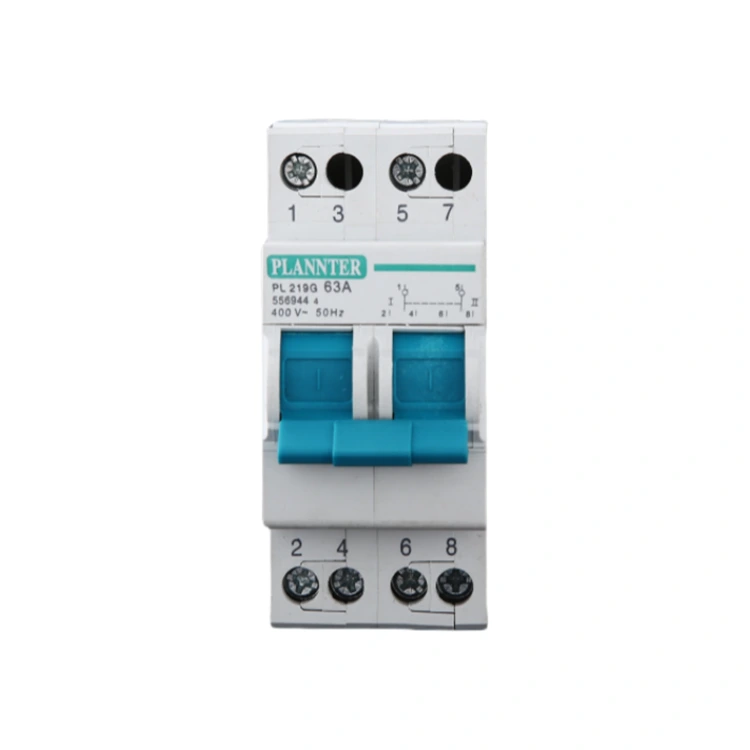
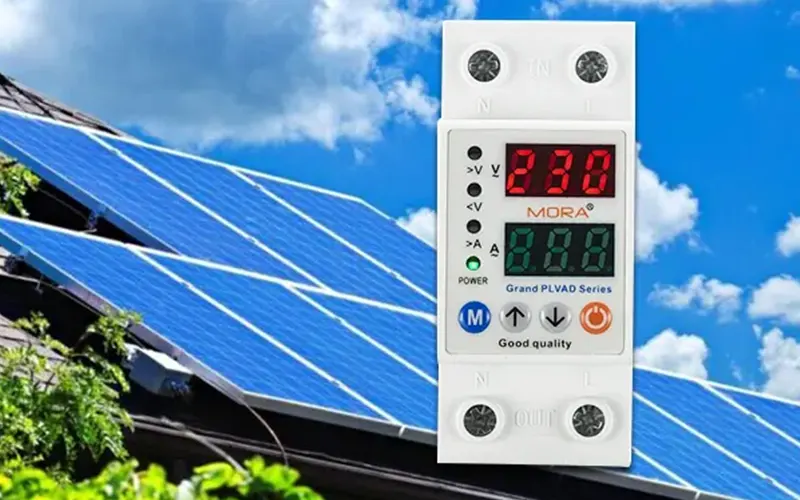
As a professional China Air-Switch Circuit Breaker manufacturer & supplier, PUGAO (Plannter Electric) has been engaged in the field of low-voltage electrics since 2011. With our own factory and technical team, PUGAO is constantly innovating in design, material and testing to ensure the stable performance of our products. The product has a rated voltage of AC 230V, an operating temperature range of -5°C to 40°C, and is made of high-standard plastic and silver copper. Tested mechanical lifespan is approximately 10,000 times.
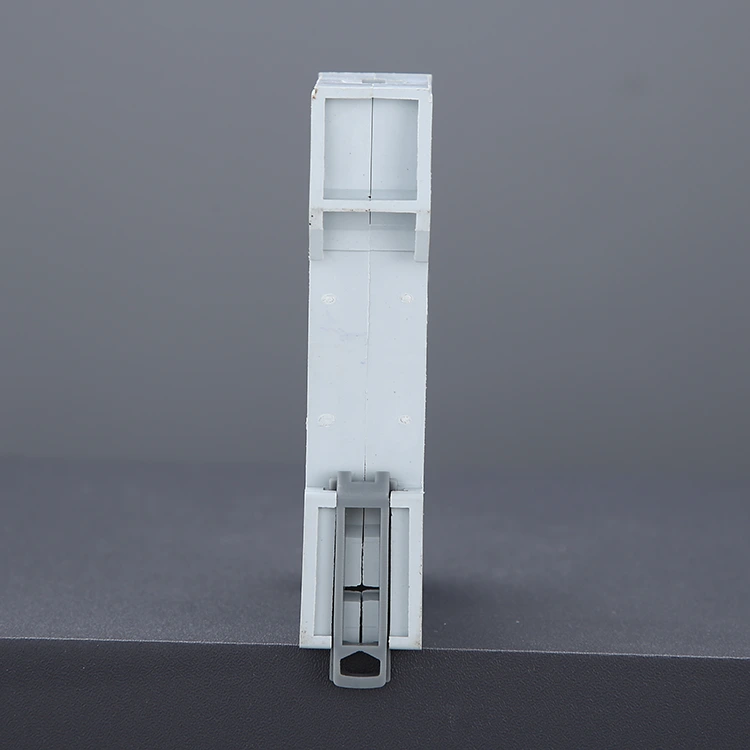
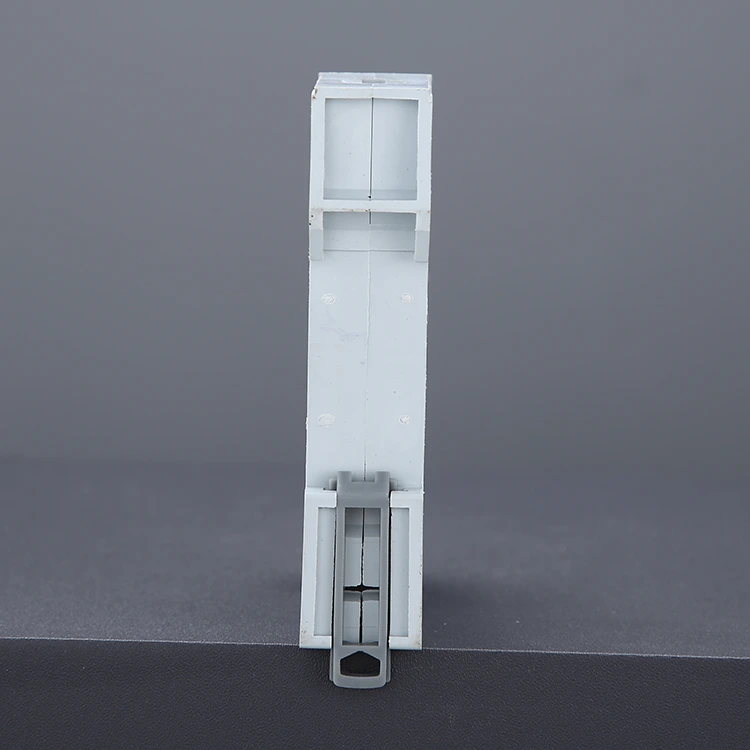
PUGAO (Plannter Electric) is a professional manufacturer and supplier in China. The volume of our Air-Switch Circuit Breaker (MCB) is only 1/3 of the traditional products (standard 1P width 18mm), supports rail mounting, replacement time can be controlled within 2 minutes, and the transparent shell is convenient for troubleshooting. Safety performance, with overload thermal release and short circuit magnetic release double protection, arc extinguishing technology can withstand 400V recovery voltage, arc extinguishing time <0.1 seconds.
Wide adaptability, the air-switch circuit breaker is suitable for -5°C to 40°C environment. Economic advantages are demonstrated by a life span of 10,000 operations at 40% lower cost than fuse systems. Applications include protection of domestic and industrial circuits, where selection needs to focus on current ratings (6A-125A), breaking capacity (6kA for domestic, ≥10kA for industrial.
What is an Air-Switch Circuit Breaker?
An Air-Switch Circuit Breaker is a circuit protection device that utilizes air as the arc-extinguishing medium. It is designed to automatically interrupt the power supply in the event of an overload or short circuit, thereby safeguarding the safety of both the wiring and the equipment.
When the switch interrupts a high-current flow, an intense, high-temperature electric arc forms between the contacts. If this arc is not extinguished promptly, it can burn out the switch or even trigger a fire.
The air switch features a specially designed internal arc-extinguishing chamber. When an arc is generated, it is driven into this chamber, where it is segmented into numerous smaller arcs and rapidly cooled by the surrounding air, resulting in the extinguishment of the arc.
Application
1. Protection of household appliances: miniature circuit breakers are widely used in air conditioners, washing machines and other home appliances to provide safety for household electricity. Protect equipment and personal safety.
2. Industrial applications: Air-Switch Circuit Breakers are very important in industrial automation, power systems and communication equipment, overload and short circuit protection, which can ensure stable operation even in complex electrical systems.
Advantage
Good safety performance: PUGAO has its own technical team and adopts advanced electronic control technology, which has super safety protection function and can automatically cut off the power supply when the electricity is abnormal, thus effectively preventing fire and other accidents.
Easy installation and maintenance: compact and convenient, whether installing new equipment or overhauling circuits, it is easy and quick for daily maintenance and replacement.
Strong applicability: Air-Switch Circuit Breakers can be customized according to the needs of different electrical systems, including specification parameters, brands, etc.
Usage Recommendations
1. Select the Correct Rated Current
The rated current of the Air-Switch Circuit Breaker should be ≥ 1.2 to 1.5 times the actual load current. Selecting a rating that is too low may lead to frequent tripping, while selecting one that is too high compromises protection sensitivity. Please provide the specific details of your project, and PUGAO will assess your requirements and recommend a suitable solution.
2. Select the Appropriate Tripping Curve Based on the Load
Type B: Lighting and resistive loads
Type C: General-purpose equipment, power outlets, and small motors
Type D: Equipment with high inrush currents and large motors
If you are unsure, prioritize selecting the C-Curve, as it offers the greatest versatility.
3. Proper Installation
When installing the ACB, it must be mounted on a standard DIN rail. The wiring terminals must be securely tightened to prevent loosening and subsequent overheating. Use wires that comply with the specified gauge requirements (e.g., for a 32A rating, a wire cross-section of ≥ 4mm² is recommended).
Recommended Installation Environment: Install within a dry, well-ventilated distribution box. Avoid exposure to high temperatures, humidity, or corrosive environments; if necessary, install an additional protective enclosure.
4. Avoid Prolonged Full-Load Operation
It is recommended to keep the actual operating current within 70%–80% of the rated value. Prolonged operation at full load can lead to excessive temperature rise and a shortened service life.
Common Faults and Troubleshooting
Faults in Air-Switch Circuit Breakers typically stem from overload, poor wiring, or improper product selection. By ensuring correct product selection, proper installation, and regular inspections, over 90% of potential issues can be effectively avoided.
Along with your product delivery, we provide comprehensive recommendations regarding installation, usage, and maintenance; the following list of common issues serves as a helpful reference.
1. Frequent Tripping
Symptom: After operating high-power appliances for a period of time, the circuit breaker automatically trips, and the switch feels noticeably warm to the touch.
Causes:
Excessive Load: The total current drawn by the appliances operating within the circuit exceeds the circuit breaker's rated current capacity.
High Ambient Temperature: Poor heat dissipation within the distribution box causes the circuit breaker's internal thermal sensing components to trigger prematurely.
Solution: Reduce the number of high-power appliances connected to the same circuit to distribute the load.
If the load is indeed necessary and the existing wiring specifications permit it, upgrade to a circuit breaker with a higher current rating.
2. Instantaneous Tripping
Symptom: Immediately after closing the circuit breaker or plugging in a specific appliance, the breaker trips instantaneously—often accompanied by a loud bang or a visible spark.
Causes:
Line Short Circuit: The live wire has come into direct contact with the neutral wire.
Damaged Appliance: An internal electrical breakdown or short circuit has occurred within one of the connected appliances.
Solution: Do not attempt to force the breaker closed repeatedly. Unplug all appliances connected to that specific circuit, then attempt to close the breaker again.
If the breaker no longer trips, it indicates that one of the appliances is faulty; if it continues to trip, it suggests that the wiring embedded within the wall is damaged, requiring inspection by a professional electrician.
3. Toggle Lever Fails to Reset
Symptom: After tripping, the toggle lever feels loose or limp; when pushed to the "ON" position, it immediately springs back to the "OFF" position.
Causes:
Fault Not Cleared: A short circuit or severe overload still exists within the line; the circuit breaker's "free-trip" mechanism is engaging to provide protection.
Internal Mechanism Damage: Following an extreme short-circuit event, the internal contacts may have welded together, or the mechanical springs may have suffered fatigue damage.
Solution: First, check to see if the reset button on the Residual Current Device (RCD) has failed to pop out.
If you are unable to close the breaker even after ruling out external faults, it indicates that the circuit breaker itself is damaged and must be replaced.
4. Terminal Overheating or Housing Discoloration
Symptom: A burning odor is detected, or the plastic housing around the circuit breaker's wiring terminals appears yellowed or blackened.
Causes:
Loose Connections: This constitutes the most dangerous hazard. Failure to properly tighten screws increases contact resistance, generating extreme heat.
Mismatched Wire Gauge: The use of wires that are too thin results in heat being transferred directly to the circuit breaker.
Solution: Immediately cut off the power supply! Trim away the burnt ends of the wires, strip the insulation anew, and securely tighten the screws. If the circuit breaker's housing has become deformed due to heat, the entire unit must be replaced.
5. Distinct Buzzing Sound During Operation
Symptom: While operating, the circuit breaker emits a faint yet continuous electromagnetic buzzing sound (characteristic of AC currents).
Causes:
Electromagnetic Mechanism Vibration: The internal electromagnetic armature is uneven, or foreign objects have entered the mechanism.
High Current Load: When operating near full capacity, magnetic field forces cause internal components to resonate slightly.
Solution: A very faint buzzing sound is typically normal. However, if the sound is loud or intense—especially if accompanied by overheating—it indicates that internal components are aging; replacement of the unit is recommended.
Hot Tags: Air-Switch Circuit Breaker, China, Manufacturer, Supplier, Factory
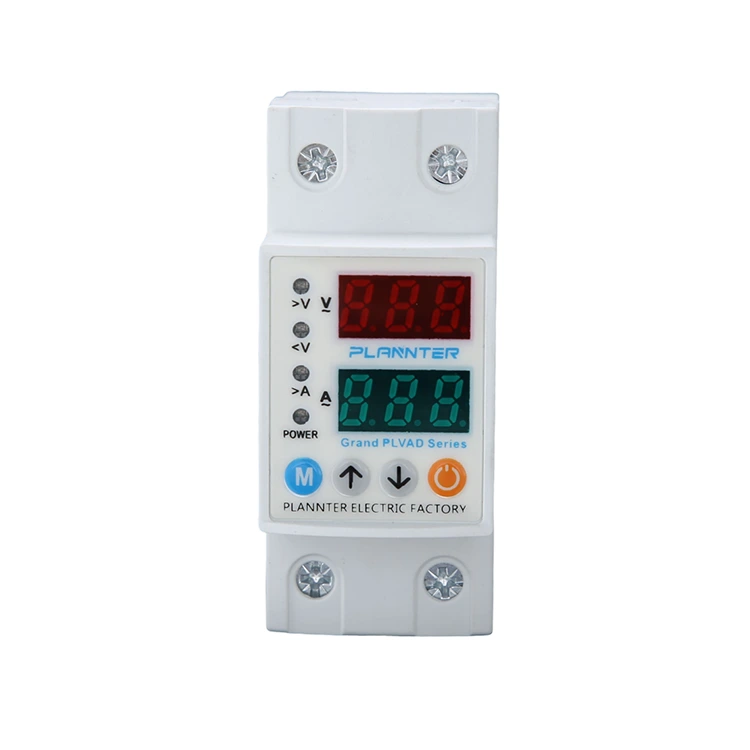
For inquiries about mini circuit breaker, voltage protector, changeover switch or price list, please leave your email to us and we will be in touch within 24 hours.
We use cookies to offer you a better browsing experience, analyze site traffic and personalize content. By using this site, you agree to our use of cookies.
Privacy Policy