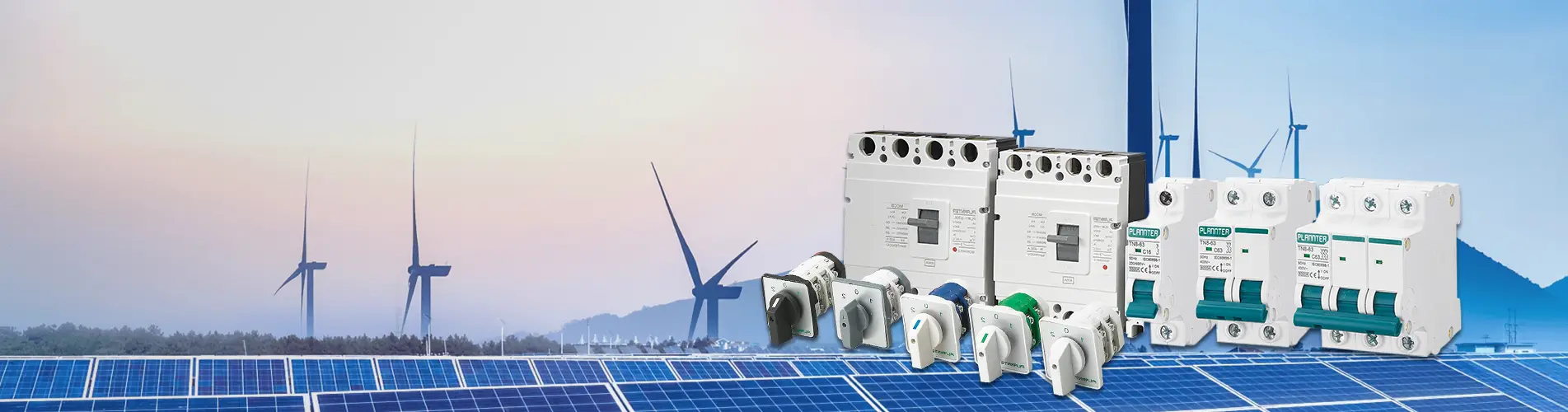
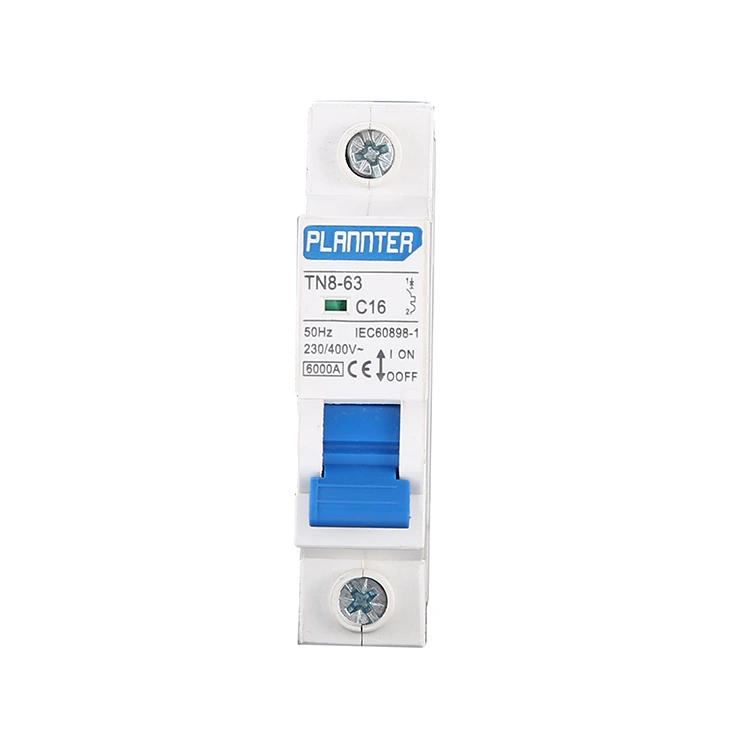
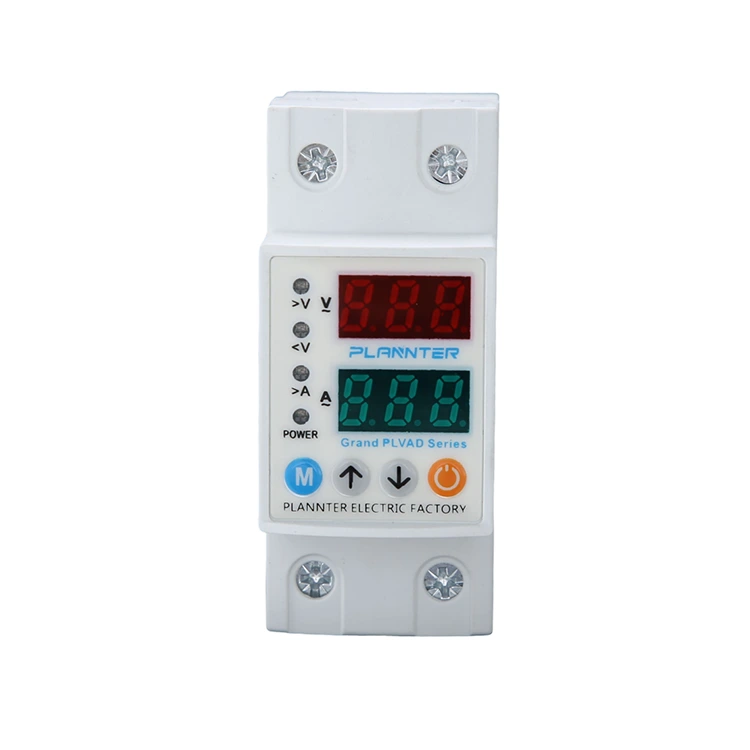
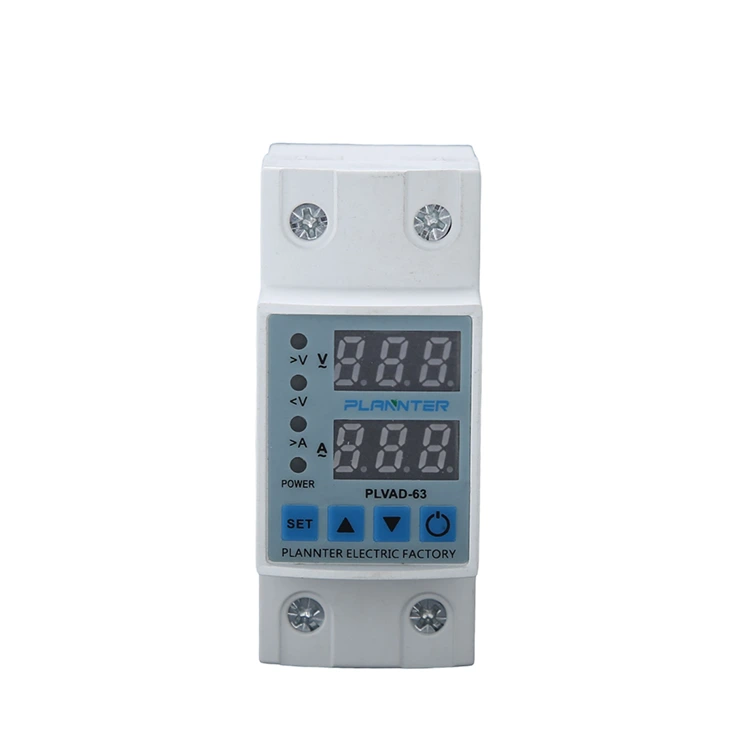
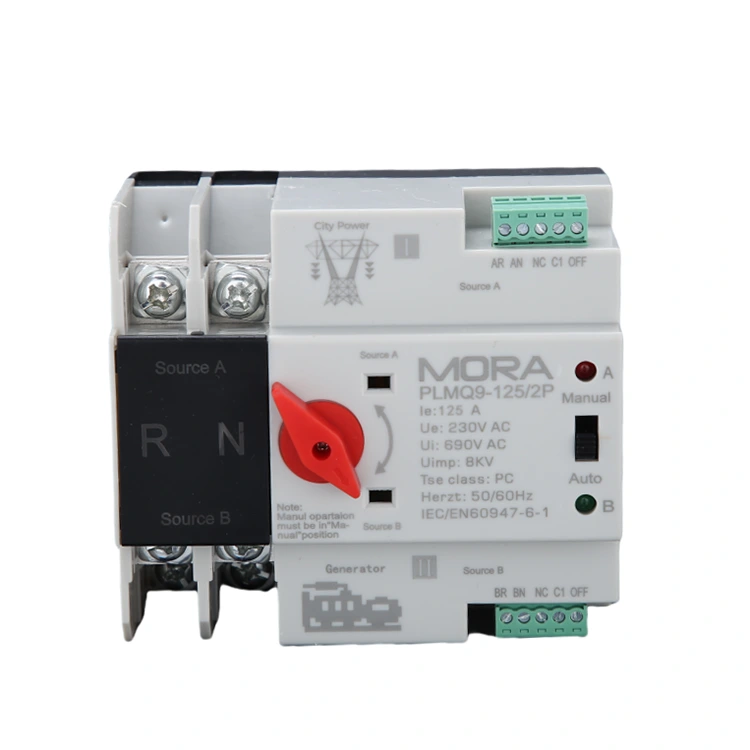
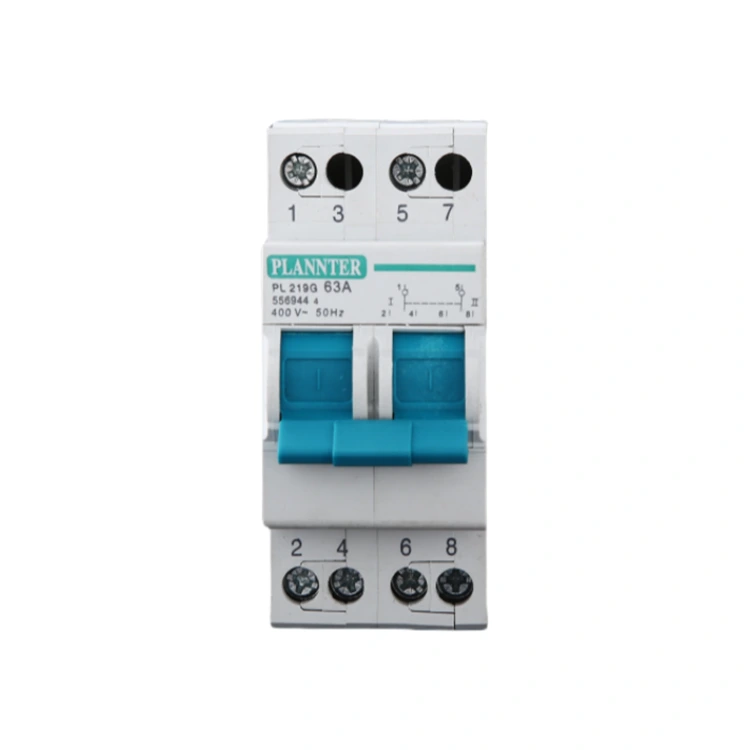
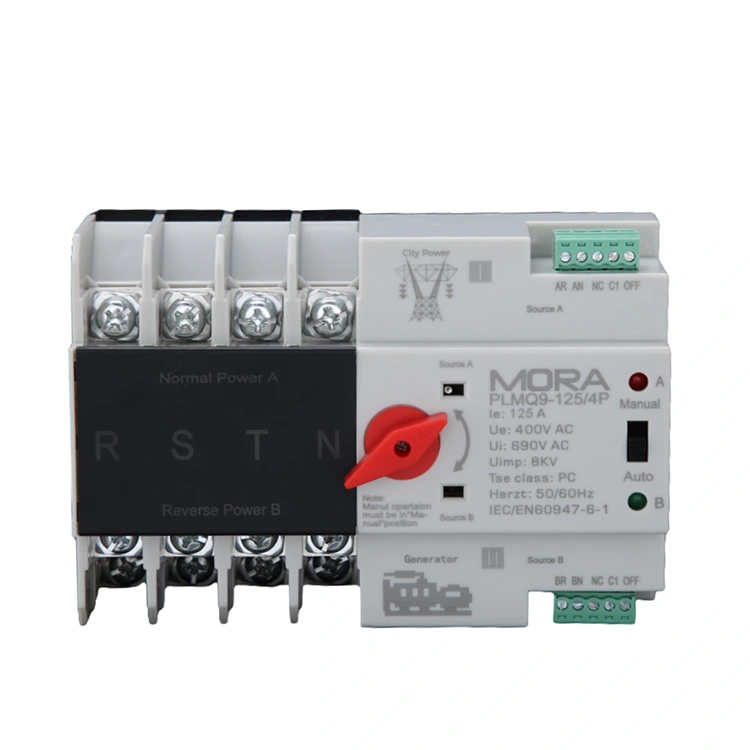
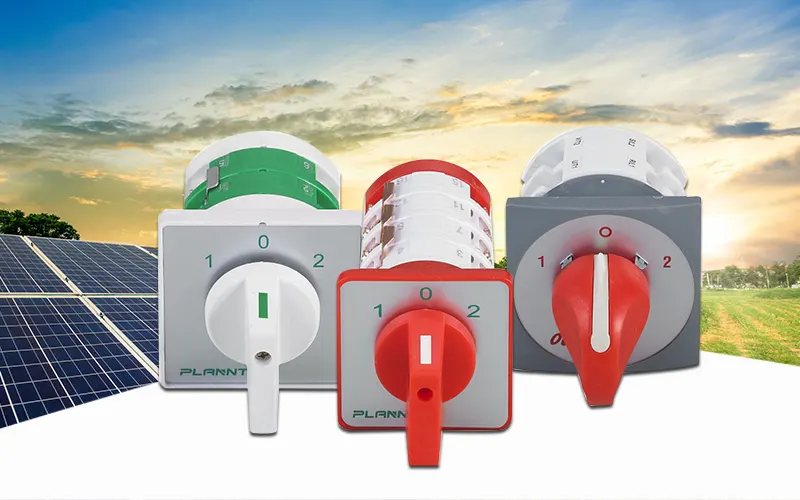
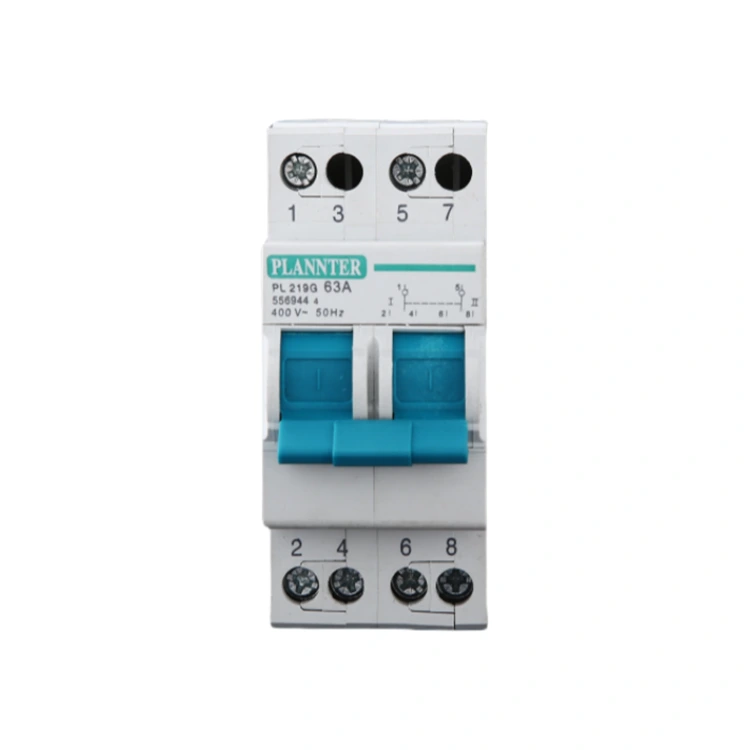
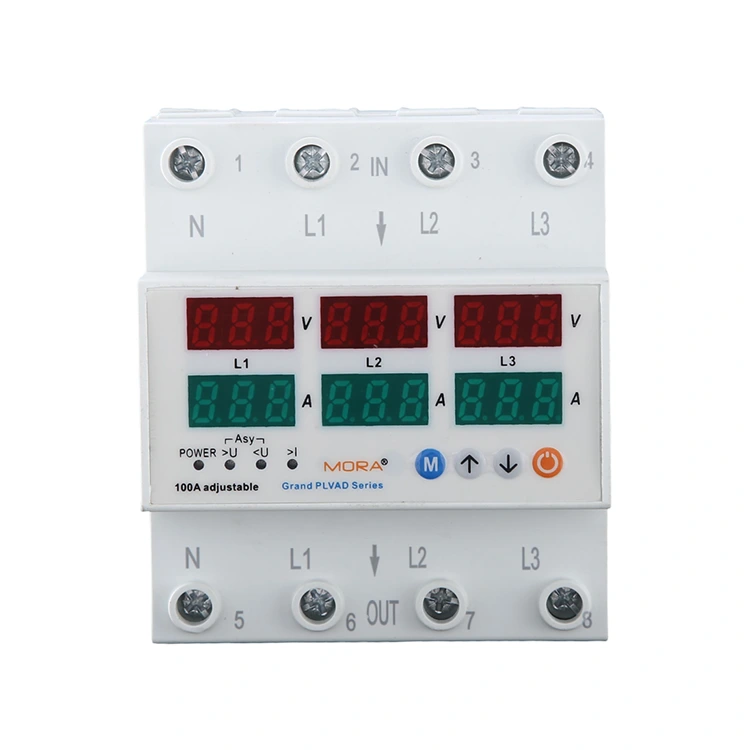
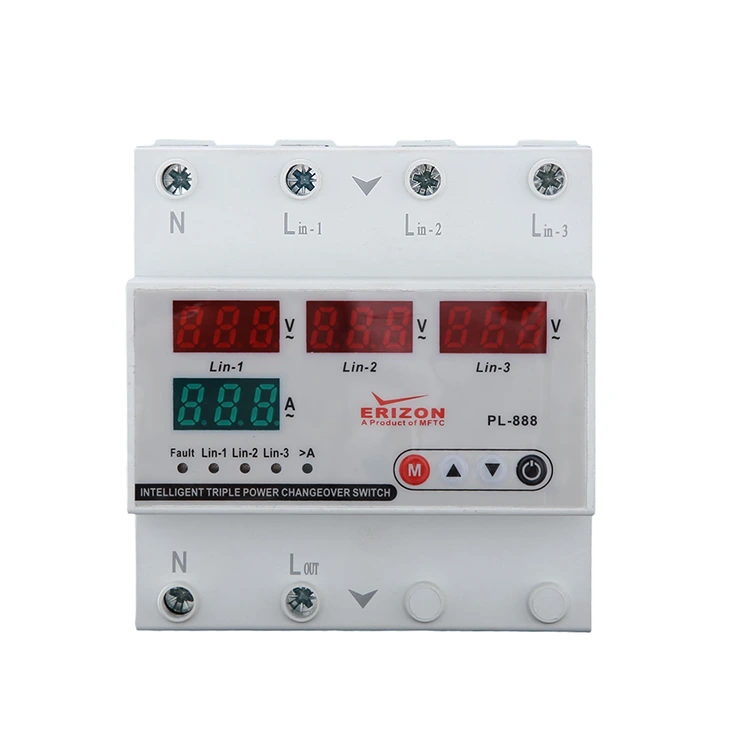
An Automatic Changeover Switch, a changeover switch product provided by PUGAO (Plannter Electric), automatically switches electrical loads from primary to secondary power during a power outage, allowing critical equipment and systems to continue operating without human intervention.
Operating Principle and Process
When the changeover switch detects a power outage or a significant deviation from normal parameters, it signals the start of a backup generator. Once the backup generator reaches stable voltage and frequency, the switch will transfer the load to the backup power source. When the main power supply is restored, the switch automatically switches back to the main power supply after a preset delay.
Key Technical Specifications
1. Switching Time: This is a critical metric for evaluating the performance of an Automatic Changeover Switch.
Millisecond-level Switching: For sensitive electronic equipment (such as servers), extremely rapid switching speeds (typically <50ms) are required.
Standard Switching: For devices such as lights and fans, a slightly slower switching speed is acceptable.
2. Rated Current: Common ratings range from 16A up to several thousand amperes.
3. Number of Poles: Typically available in 2-pole (2P) and 4-pole (4P) configurations.
4. Operating Modes:
Auto: Switching is determined entirely by the controller based on voltage status.
Manual: During maintenance or under special circumstances, switching can be manually forced using a handle.
How Long Does an Automatic Changeover Switch Typically Take to Complete?
The actual switching time varies depending on the switch model and ranges from 0.5 seconds to 5 seconds. Compared with slower switches, switches with faster switching speeds are definitely more suitable for use in critical equipment, such as data centers and medical institutions, where the probability of damage caused by short interruptions is high, so fast response speeds are required.
Product Applications
This automatic transfer switch is particularly important in situations requiring an uninterrupted power supply. In daily life and work, it ensures continuous power during power outages, prevents equipment from shutting down, and protects the normal operation of appliances and machinery.
For medical institutions like the one we mentioned, it is extremely important to use automatic transfer switches to maintain power to life support systems and necessary medical equipment. In terms of communication networks, it can also enable data centers and base stations to operate uninterruptedly without affecting normal functions.
Usage Precautions
1. Installation
Strict Prohibition Against Dual Power Grid Connection: Under no circumstances should the primary power source and the backup power source be connected to the load simultaneously.
PUGAO Reminder: Although our products feature a dual mechanical and electrical interlocking function, strict verification is still required during wiring to ensure that the phase sequences of both Power Source A and Power Source B are consistent.
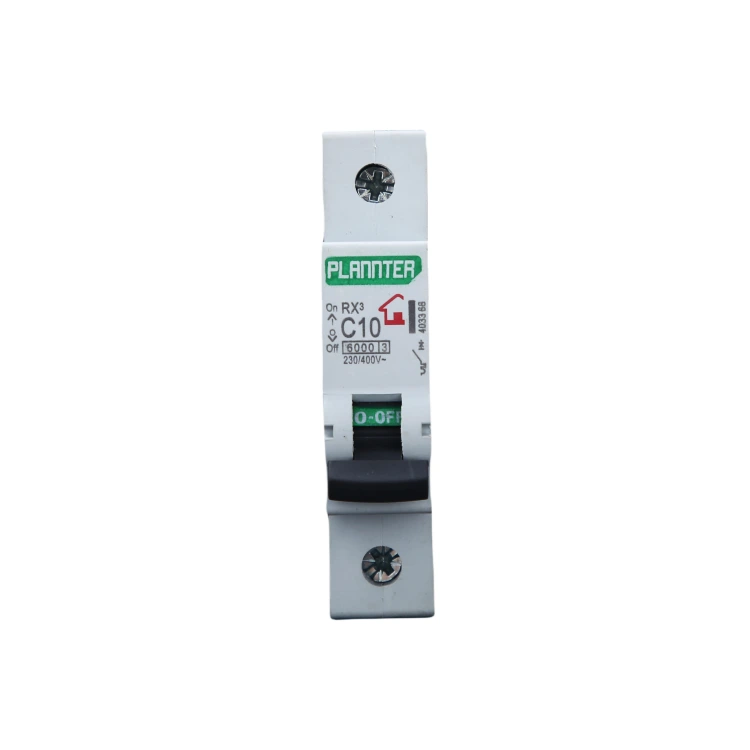
Mandatory Installation of Upstream Protection: The Automatic Changeover Switch (ATS) itself is primarily responsible for switching. Circuit breakers *must* be installed separately at the incoming terminals of both the primary and backup power sources. This ensures that if a short circuit occurs in either power line, the line is protected first.
Ensure Correct Neutral Line Connection: In a single-phase system, the live wire and the neutral wire must correspond correctly.
In a three-phase system, the neutral wire must be connected to the designated "N" terminal; otherwise, it may lead to neutral point drift, potentially burning out downstream single-phase appliances.
2. Commissioning
Prioritize Manual Mode: After the initial installation, please first switch the device to manual mode. Use the manual handle to test whether the switching between the two power sources is smooth; once confirmed to be functioning correctly, switch back to automatic mode.
Verify Automatic Transfer and Restoration Logic:
Test 1: Simulate a power outage and observe whether the automatic changeover switch automatically transfers to the backup power source.
Test 2: Restore the primary power source and observe whether the switch smoothly transfers back to the primary source within the preset time delay.
3. Operation
Match Power Capacity: Ensure that the output power of the backup source is sufficient to support the connected load. If the load is excessive, the generator's voltage will fluctuate significantly, causing the ATS to switch back and forth frequently between the two power sources; this will rapidly burn out the electrical contacts.
Moisture and Dust Protection: The interior of this product contains precision control circuitry and power contacts. It must be installed inside a dry, well-ventilated distribution cabinet; it is strictly forbidden to use the device in an exposed manner within environments containing water mist or high concentrations of dust.
Set Appropriate Time Delays: It is recommended to set a specific switching delay. This serves to avoid voltage instability transients that may occur when the utility grid is restored, and also allows sufficient time for the generator to warm up and stabilize its voltage output.
4. Maintenance
Quarterly Switching Tests: Even if there have been no power outages for an extended period, it is recommended to manually simulate a power outage and switching cycle once every quarter. This prevents the internal mechanical linkages from becoming stiff due to prolonged inactivity, ensuring that the device will respond sensitively and reliably during a genuine power emergency.
Inspect Wiring Terminals: As the ATS carries the total current load, its wiring terminals are highly susceptible to loosening due to thermal expansion and contraction. It is recommended to check the tightness of the terminal screws annually to prevent fire hazards caused by excessive contact resistance.
Observe Contact Condition: If you hear an abnormal, loud clicking sound during switching, or observe excessive arcing, immediately contact a qualified professional to inspect the contacts for signs of wear.
5. Warnings
Strictly Prohibited: Manual Switching Under Load: When the automatic switching mechanism is functioning normally, avoid manually forcing a transfer while under a heavy load; doing so may generate intense electrical arcs that could cause personal injury.
Generator Grounding: When utilizing a generator as a backup power source, you must ensure that the generator system has been properly grounded in accordance with applicable standards.