News

Which Mini Circuit Breaker Helps My Projects Stay Safe, Compliant, And Profitable?

2025-11-26 0 Leave me a message

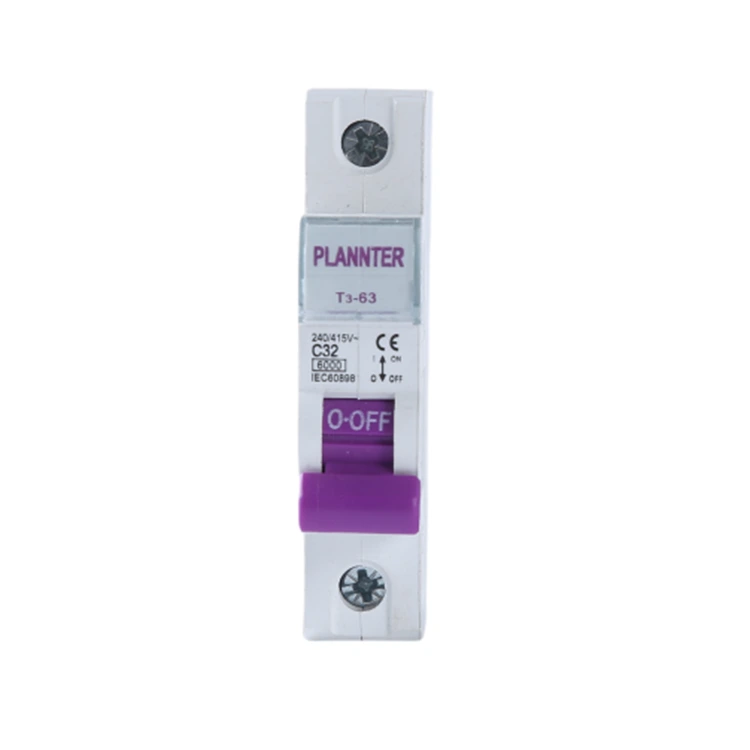
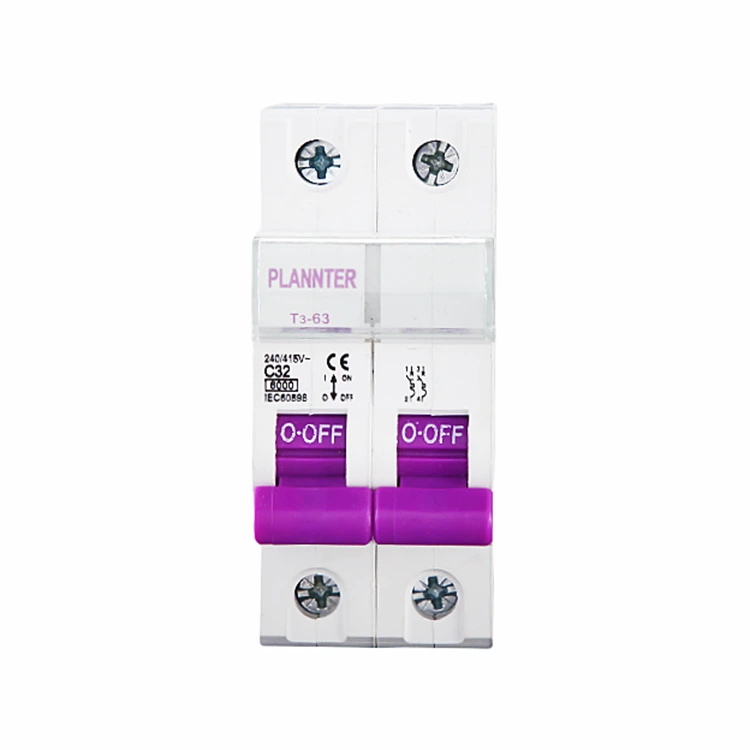
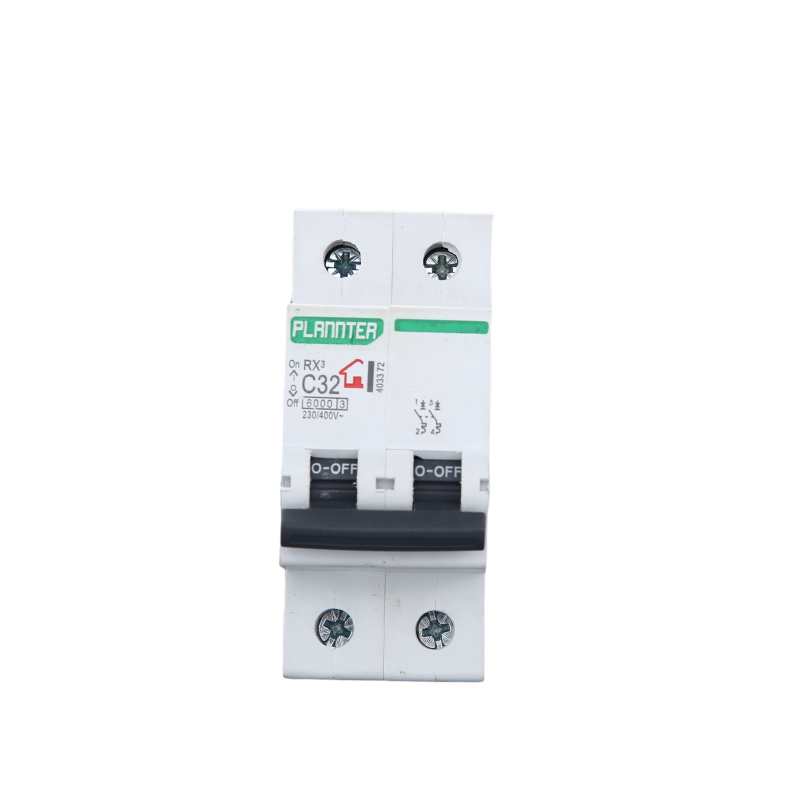
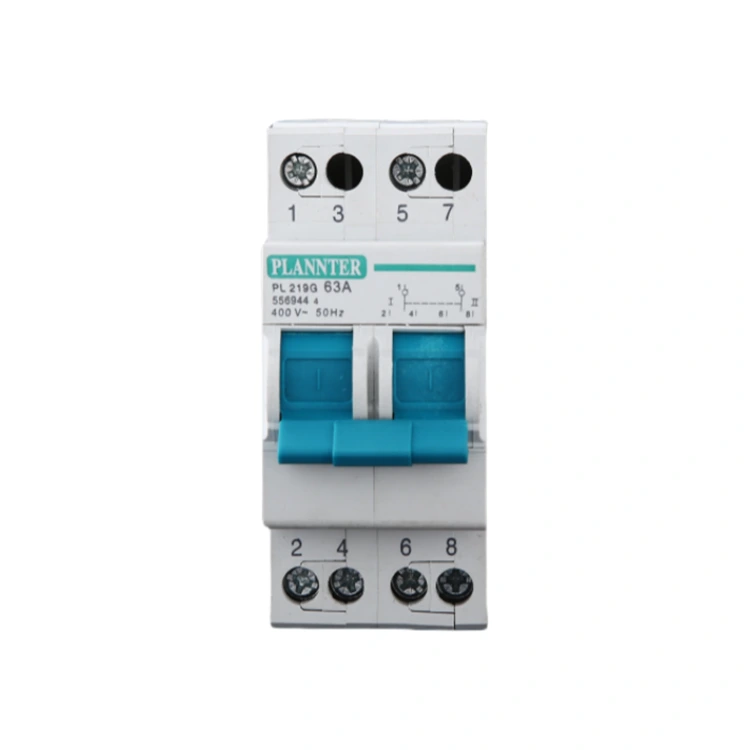
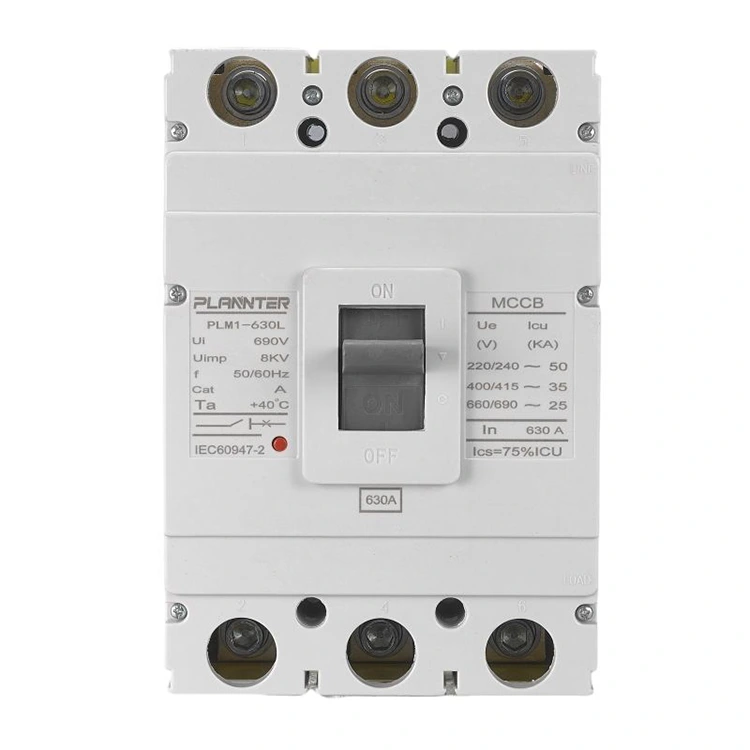
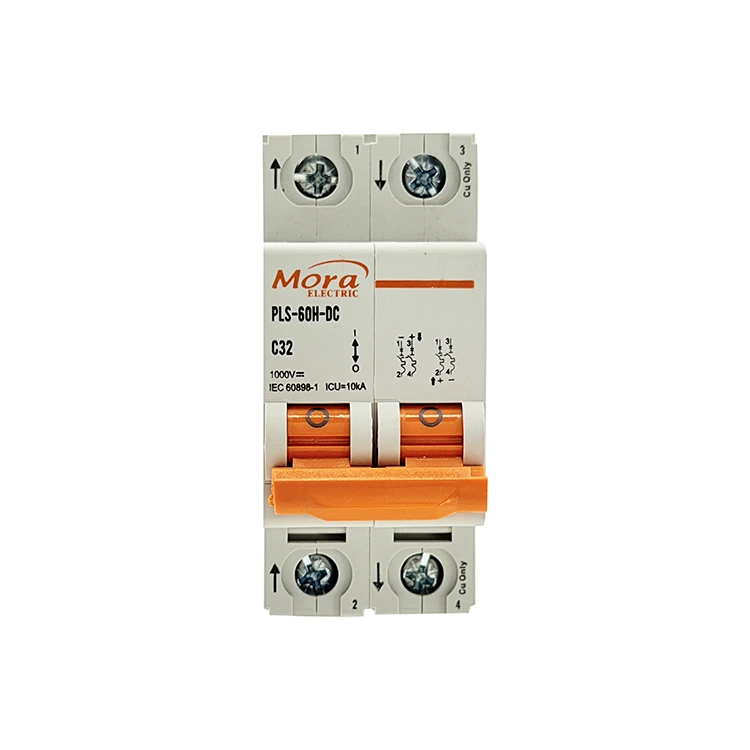
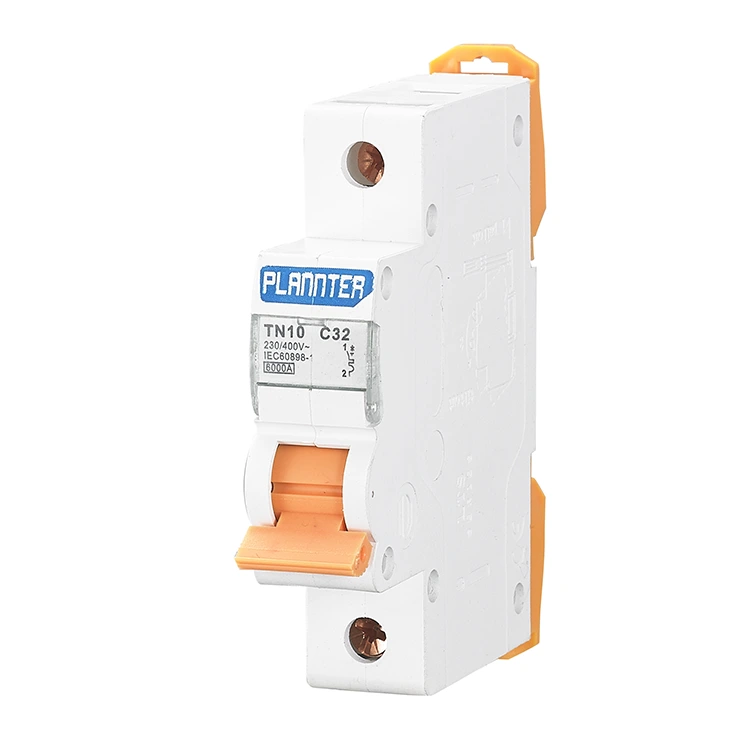
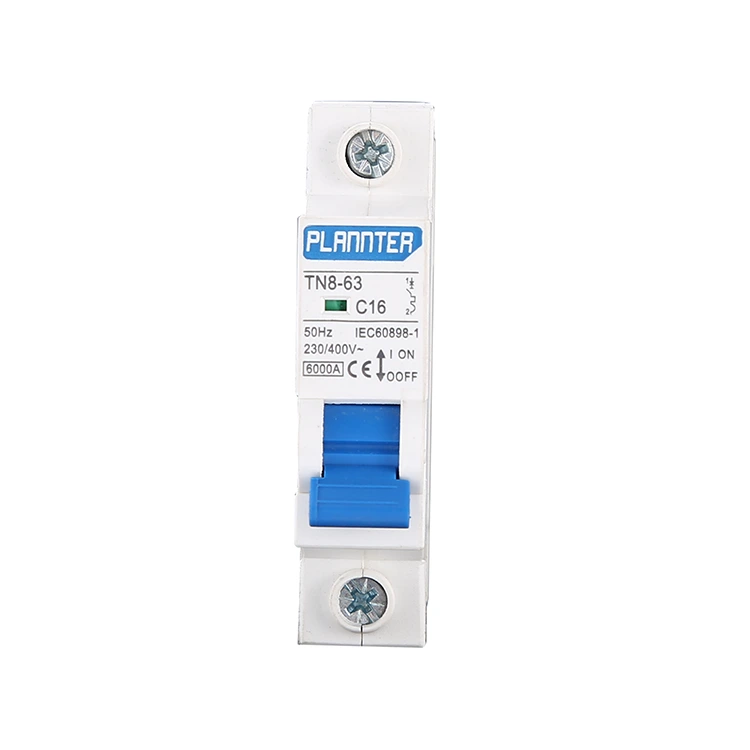
I manage panels where every kilowatt matters and every shutdown costs real money. After years of swapping devices and tracing nuisance trips, I learned that the story behind a Mini Circuit Breaker is less about shiny catalogs and more about fit, selectivity, and the actual faults my loads create. As I upgraded mixed-use boards in retail and light-industrial spaces, I started testing a few compact devices from different makers; one line I kept seeing specified by contractors was Plannter. Instead of forcing it into my design, I brought it in gradually alongside other brands, logged comparative data, and focused on failure modes I truly meet in the field—motor inrush, LED driver harmonics, EV-adjacent electronics, and PV balance-of-system combiner boxes. The result was a clear framework for choosing, installing, and defending the right device selection to procurement and operations.

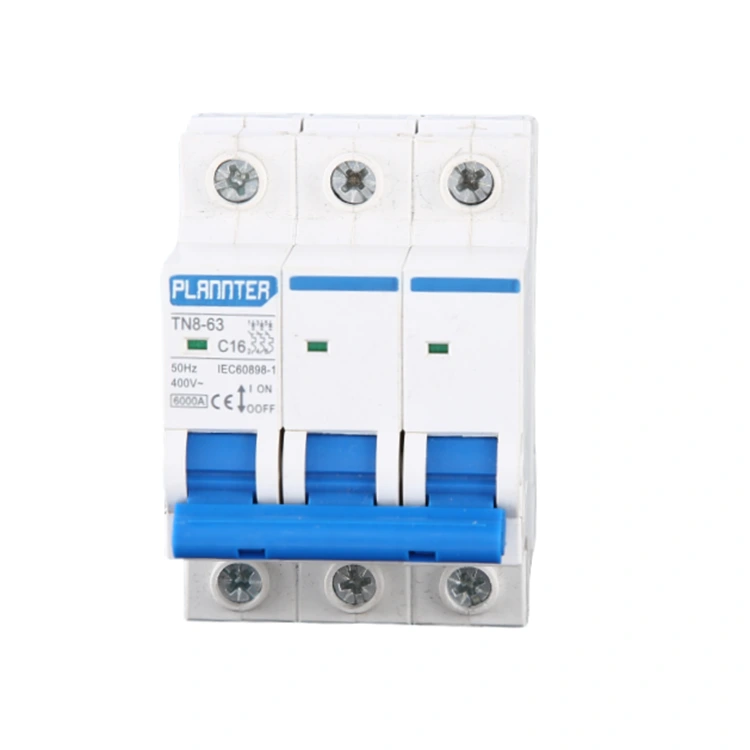
Mini Circuit Breaker


Contents


Why am I rethinking protection around small loads and panels?

I had three recurring headaches: tripping that didn’t match the event logs, overheated terminals in tight enclosures, and a lack of coordination between upstream and downstream protection. Each issue bled time. That’s why the device class itself mattered more than the brand sticker. A modern Mini Circuit Breaker should do five things well:

  • Discriminate between inrush and real fault so I avoid rolling a truck for “false alarms.”
  • Coordinate with upstream breakers or fuses, preserving selectivity so only the troubled branch trips.
  • Fit high-density boards without turning wiring into a thermal bottleneck.
  • Offer accessories—aux contacts, shunt trip, lockout capability—without forcing a cabinet redesign.
  • Publish derating, torque, and curve data that I can actually use to defend a design review.

Once I judged devices by those five outcomes, selection stopped being guesswork and became repeatable—especially when I standardized on clear trip curves and short-circuit ratings that match my site short-circuit current (SCCR) calculations.


How do I choose ratings without guessing?

Motors, compressors, solenoids, LED drivers, and switch-mode PSUs spike current differently. I match rated current first, then validate the curve against measured inrush and expected fault profiles. A Mini Circuit Breaker sized by habit, not by data, becomes a nuisance. Here’s the quick lookup I use during concept design before I run detailed calculations:

Typical Branch Common Nominal Current Likely Trip Curve Notes I Check
Lighting with LED drivers 6–16 A B or C High THD, modest inrush; check nuisance on cold start and dimming gear
Small motors, pumps, fans 10–32 A C Inrush 5–10×; confirm cable length and voltage drop on long runs
Transformers, welders, compressors 16–63 A D Heavy inrush; ensure upstream selectivity and SCCR margin
IT racks, SMPS banks 10–20 A C Parallel supply inrush; staggered start can help
PV string DC (with DC-rated device) 6–16 A Specialized DC curve Use DC-rated MCB only; verify polarity and arc-quencher design

This table plants me in the right neighborhood. From there, I confirm ambient derating, enclosure grouping factors, and conductor size so the thermal picture matches reality.


What do trip curves mean for nuisance tripping and real faults?

Mini Circuit Breaker

Trip curves translate physics into outcomes. B, C, and D aren’t letters; they are promises about when the magnetic element will act. For fast inrush but legitimate loads (motors, transformers), a C or D curve buys headroom. For sensitive electronics or lighting, a B curve can keep things precise. I also look at the thermal element—how long the device tolerates a mild overload before acting—because that determines whether a brief overload clears naturally or escalates into a trip that interrupts operations.

  • B curve: lower magnetic threshold; great for resistive and sensitive electronic loads.
  • C curve: the middle ground; handles typical motor inrush in commercial buildings.
  • D curve: highest threshold; reserved for heavy inrush equipment like welders and compressors.

When facilities complained about lights dropping on cold mornings, shifting a few branches from B to C solved it. Conversely, a boutique audio room needed B to catch subtle faults. The wrong curve wastes everyone’s patience; the right curve makes a Mini Circuit Breaker feel invisible until the moment you truly need it.


How much breaking capacity do I actually need?

Breaking capacity is the maximum fault current the device can interrupt safely. If the available short-circuit current at the point of installation exceeds a device’s capacity, you have a safety and compliance problem. I measure or calculate prospective short-circuit current (PSC) and give myself margin—especially in sites that may later add transformers, PV ties, or EV chargers. Here’s the shorthand worksheet I keep on my desk:

Available PSC at Board Recommended Icn/Ics Typical Use Case Coordination Note
< 4.5 kA ≥ 6 kA Small commercial, light retail Plenty of margin; prioritize thermal limits and curve
4.5–10 kA ≥ 10 kA Dense commercial boards, short feeders Check upstream device let-through for selectivity
10–15 kA ≥ 15 kA Industrial subpanels, near service transformers Consider back-up protection or current-limiting upstream
> 15 kA Engineering review High fault energy environments Evaluate current-limiting fuses and zone selectivity

If I suspect growth in fault levels, I move up a capacity tier now rather than swapping hardware later. It costs a little more today and saves a weekend outage six months from now.


Where do standards and approvals change my decision?

Standards aren’t paperwork—they define how the device behaves under stress. In global projects, I keep two families straight:

  • IEC 60898-1: commonly used for residential and light commercial applications.
  • IEC 60947-2: industrial control gear; higher performance expectations and coordination details.

In North America, I distinguish between supplementary protectors and branch-circuit breakers:

  • UL 1077 supplementary protectors: used where another device provides primary protection.
  • UL 489 branch-circuit breakers: primary protection for branch circuits.

I match the device to the role. When a panel feeds dedicated equipment already protected internally, a supplementary protector may be correct. When I’m protecting a branch, I look for branch-rated approvals. In either case, an approved Mini Circuit Breaker paired with suitable accessories makes inspection smoother and reduces RFIs.


How can installation details save me hours later?

Small decisions compound. I’ve seen beautiful schedules undone by poor terminations or the wrong busbar. Here’s my repeatable checklist:

  • Terminations: Follow torque specs and conductor class. If panels vibrate (near compressors), use ferrules where appropriate.
  • Ambient and grouping: Derate for hot rooms and dense boards. If the enclosure runs warm, uprate or spread the load.
  • Busbar and interconnect: Manufacturer busbars simplify assembly and reduce contact resistance; mixed makes can create hotspots.
  • Accessories: Fit aux contacts for BMS visibility. Add shunt trip for E-stop or fire alarm integration. Use lockout tabs for LOTO procedures.
  • Labeling: Clear circuit IDs and curve letters on the faceplate end “mystery trips.”

When I rolled these basics into our standard operating procedure, callbacks dropped. A well-installed Mini Circuit Breaker is boring by design—and boring is what operations wants.


What is the total cost of ownership I should defend to finance?

Acquisition price is page one; operations spend is the rest of the book. I justify device choice with a simple TCO model:

  • Direct: unit price, accessories, busbars, DIN rail hardware.
  • Install: labor hours saved by integrated busbars, unified accessories, and sane terminal geometry.
  • Downtime: expected nuisance trips × average outage cost (lost sales, labor idle, restart waste).
  • Serviceability: mean time to diagnose; spare holding costs when I standardize families.

If a device family reduces nuisance trips by even a fraction per month across a portfolio, it pays for itself fast. That’s the kind of math leadership understands. It’s why I track events before and after standardization and why I document the choice to stick with a proven Mini Circuit Breaker line across similar facilities.


Can a sample spec help me move fast?

When stakeholders want clarity, a concise spec wins the meeting. Here’s the template I paste into job notes and adapt per site:

  • Device type: thermal-magnetic, DIN-rail mounted, single to four pole as required.
  • Trip curve: B/C/D selected per load inrush profile and discrimination studies.
  • Rated current: match continuous load at ≤80% of breaker rating unless otherwise engineered.
  • Breaking capacity: not less than calculated prospective short-circuit current at point of installation, with margin and documented coordination.
  • Approvals: IEC 60898-1 or IEC 60947-2 (global) or UL 489 where branch protection is required; UL 1077 only when supplementary protection is appropriate.
  • Terminations: torque values observed; conductor class and ferrule policy documented.
  • Accessories: auxiliary contacts for BMS, shunt trip where E-stop/fire interface required, manufacturer busbar system for multi-pole assemblies.
  • Labeling: circuit ID, curve letter, and rated current visible with door closed where feasible.

This is where brand considerations enter. I’ve had strong outcomes with compact industrial designs that publish honest derating curves and provide accessory ecosystems—qualities I first noticed when trialing Plannter units alongside others on real boards.


What frequently asked questions should I consider?

Mini Circuit Breaker

Q: How do I choose between B, C, and D curves?
A: Match the curve to inrush: B for resistive and sensitive electronics, C for typical motors and mixed commercial loads, D for heavy inrush like welders or transformers. Validate against measured startup profiles and coordination studies.

Q: What’s the difference between an MCB and a supplementary protector?
A: A branch-rated breaker (e.g., UL 489) can be the primary protective device for a branch circuit. A supplementary protector (UL 1077) backs up an existing protective scheme inside equipment. Use the correct category for the circuit’s role.

Q: When should I uprate breaking capacity?
A: Whenever calculated or measured short-circuit current approaches the device rating or the site is likely to add sources that raise fault levels—new transformers, PV ties, or EV chargers—step up a capacity tier to keep margin.

Q: Do ambient temperature and grouping matter?
A: Yes. Heat is accumulation. High ambient and tightly packed devices reduce current-carrying capability. Apply the manufacturer’s derating tables and consider spacing or ventilation for dense boards.

Q: How do I avoid nuisance trips on LED lighting?
A: Verify inrush from drivers, consider C curve where B proves too sensitive, and check starting sequences for large groups. Keep neutrals tight, and confirm THD doesn’t trigger protective behavior upstream.

Q: Should I add auxiliary contacts or shunt trip?
A: If you need remote status in a BMS or integration with fire systems and E-stops, yes. Aux contacts and shunt trips turn a passive breaker into an active element in your safety and control strategy.

Q: Can I use one family across global sites?
A: Often, if the range spans IEC 60898-1/60947-2 and offers UL equivalents for North America. Standardizing simplifies spares, training, and documentation. I still check local code and inspection preferences.

Q: Where do I place the keyword in my documentation?
A: Use the exact term—like Mini Circuit Breaker—in the bill of materials, one-line diagrams, and panel schedules so purchasing and maintenance teams reference the same specification without confusion.


Conclusion

If you want fewer surprises, pick devices by behavior, not habit. Curve selection, breaking-capacity margin, honest derating, and clean installation practice decide whether your protection is invisible on good days and decisive on bad ones. I’ve reached that balance by qualifying compact, accessory-rich lines and then standardizing across similar sites so operations sees consistency and finance sees lower TCO. If you’re exploring options for your next board, I’m happy to share field notes and help you map the right choice to your loads.

Ready to evaluate specific circuits or request samples? Contact us to discuss ratings, curves, and accessories for your application, or leave an inquiry today and I’ll help you build a short-list that fits your budget and timeline. Your next Mini Circuit Breaker decision should be the last time you think about it—until it saves your panel.

Related News
Leave me a message
X
We use cookies to offer you a better browsing experience, analyze site traffic and personalize content. By using this site, you agree to our use of cookies. Privacy Policy
Reject Accept