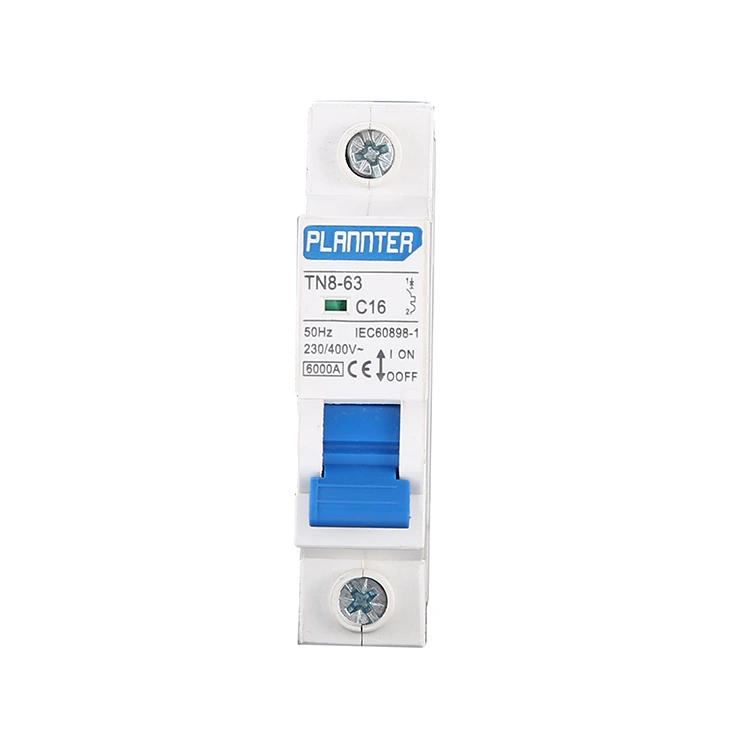
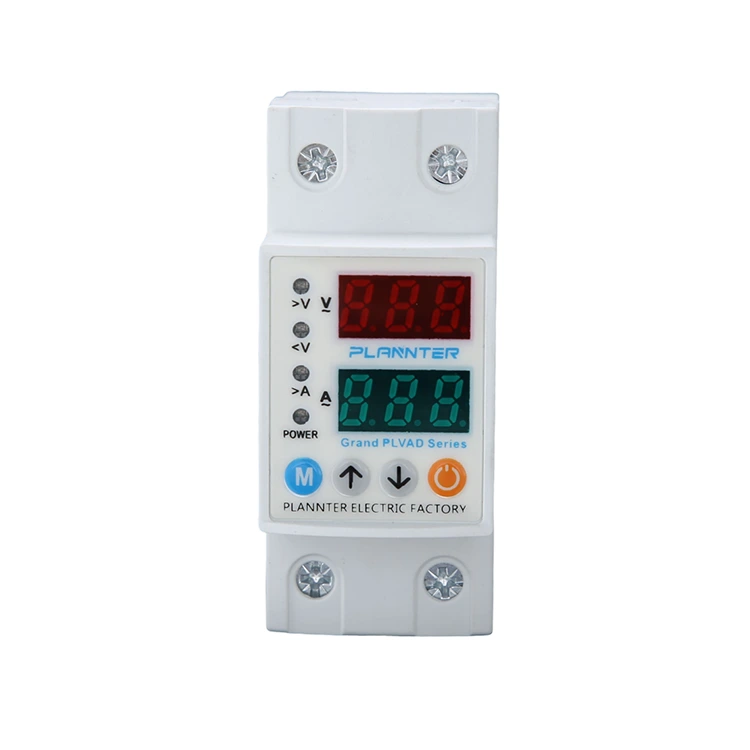
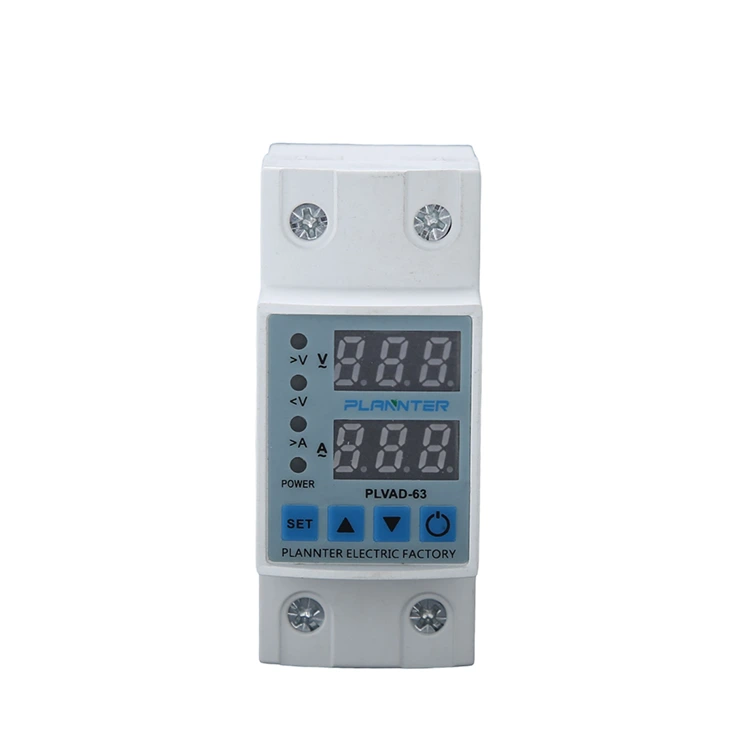
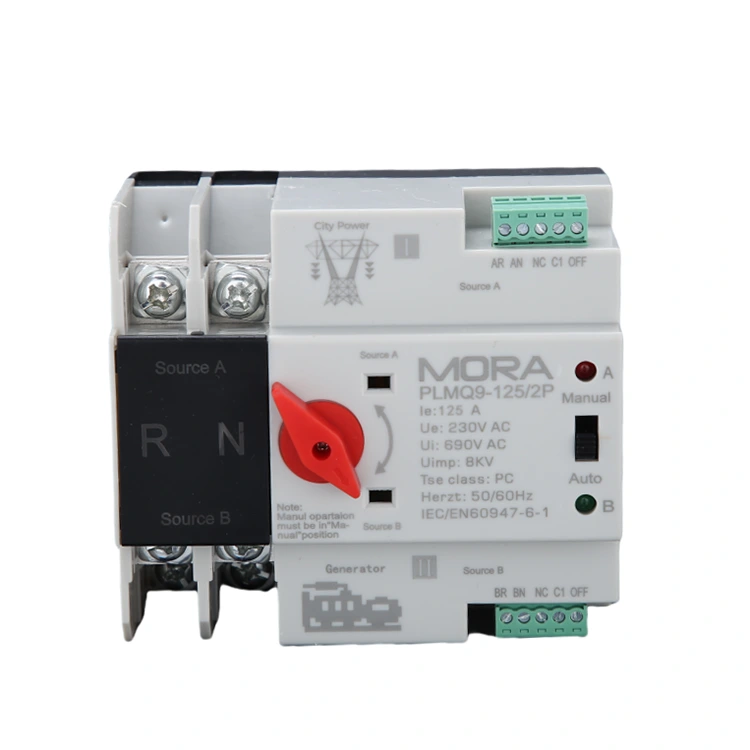
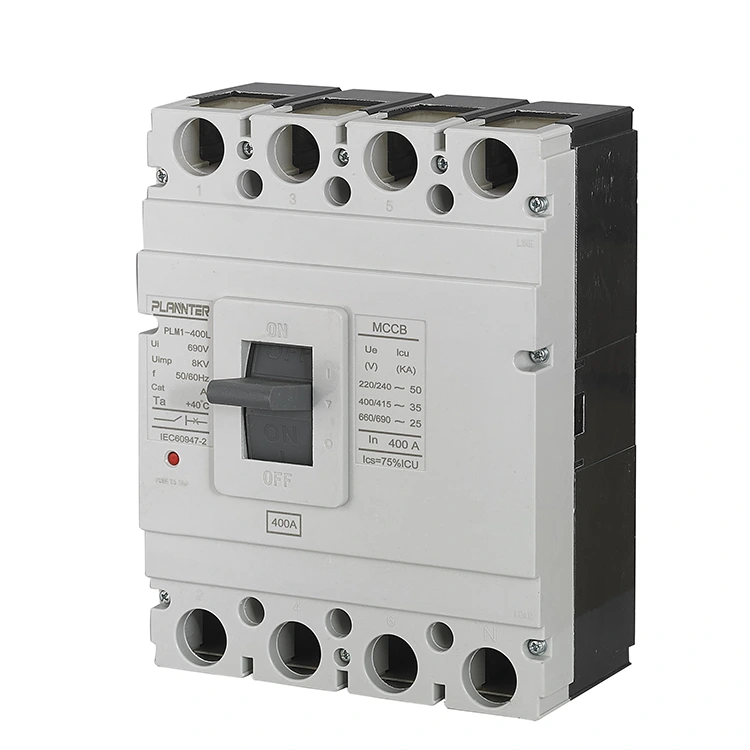
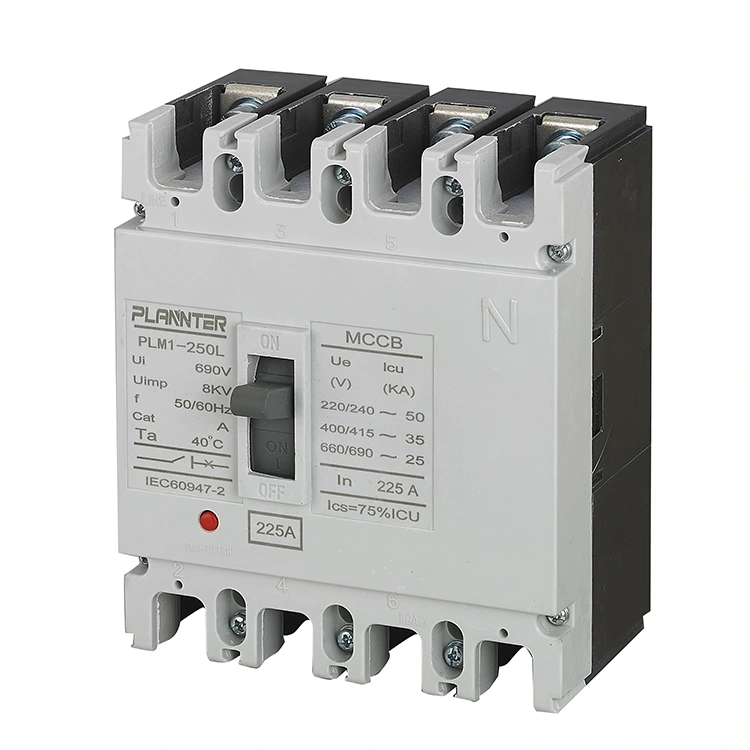
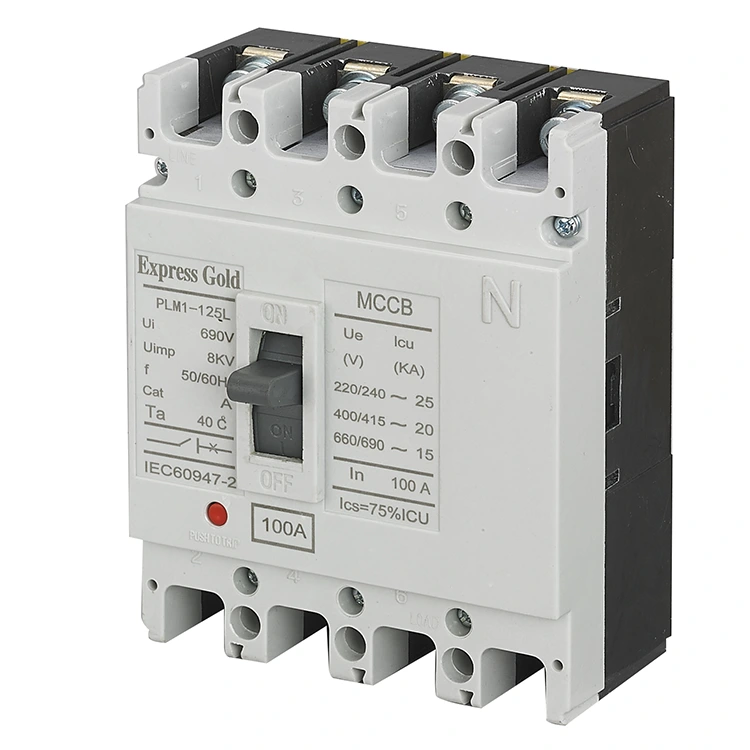
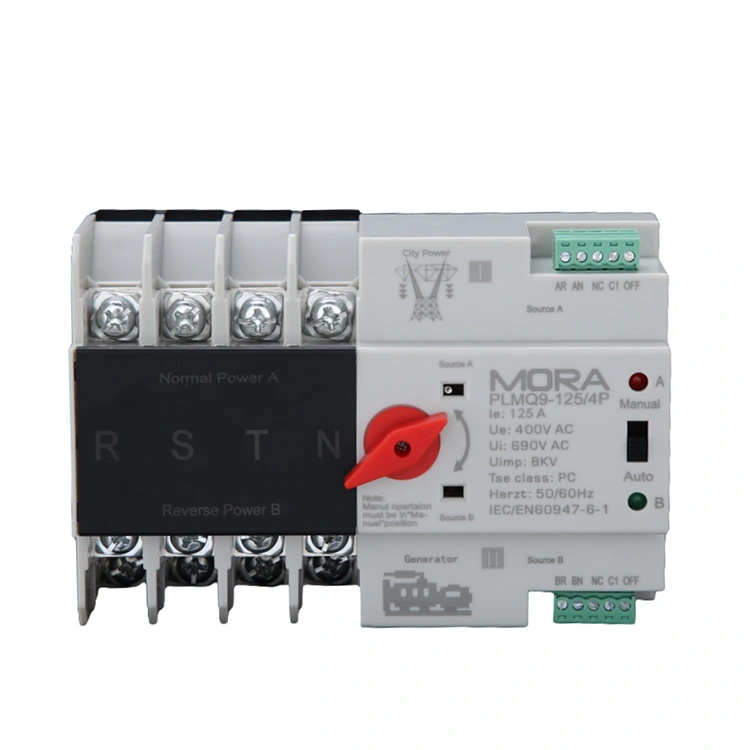
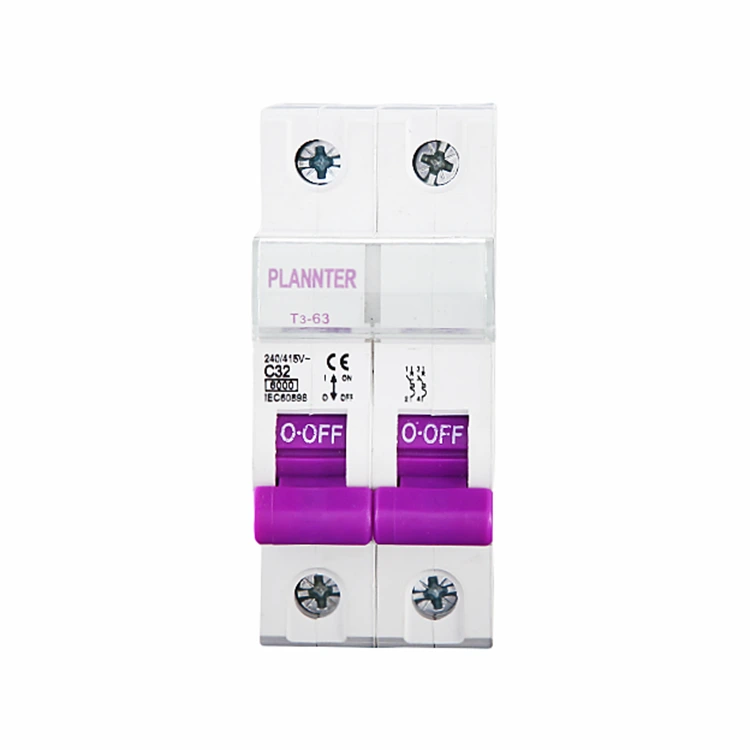
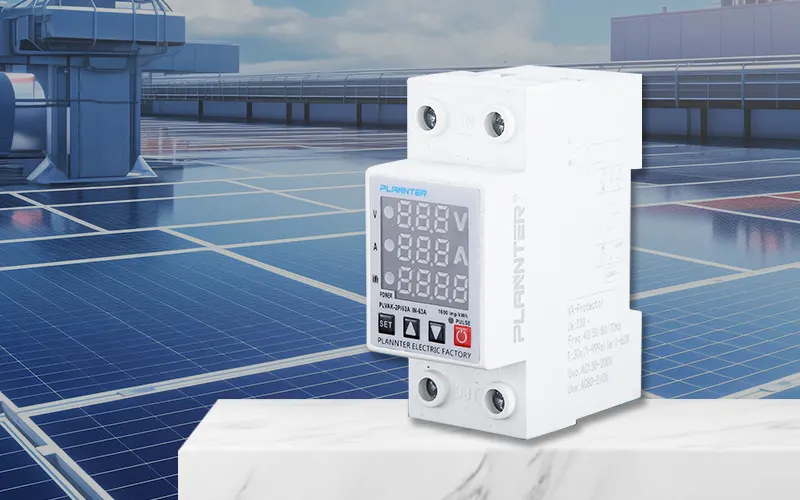
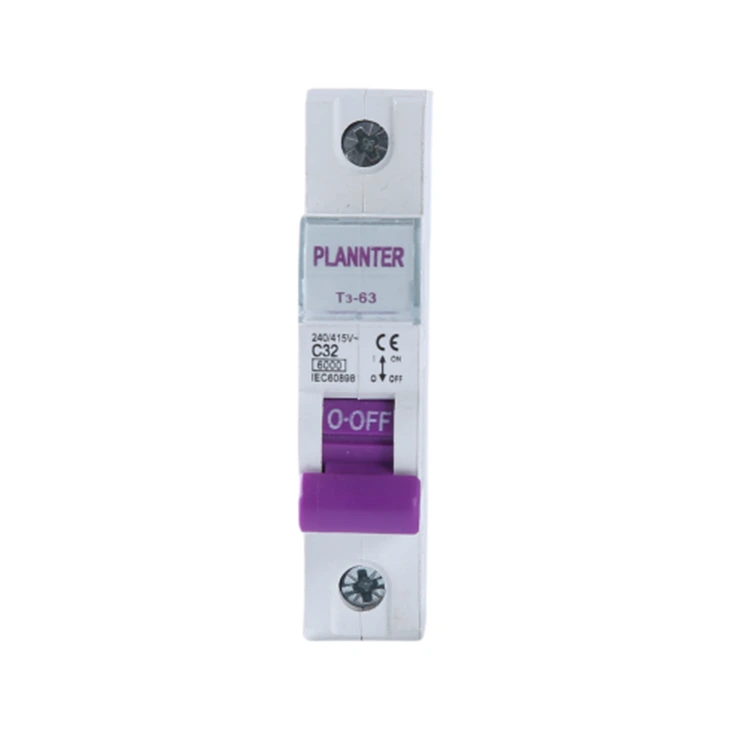
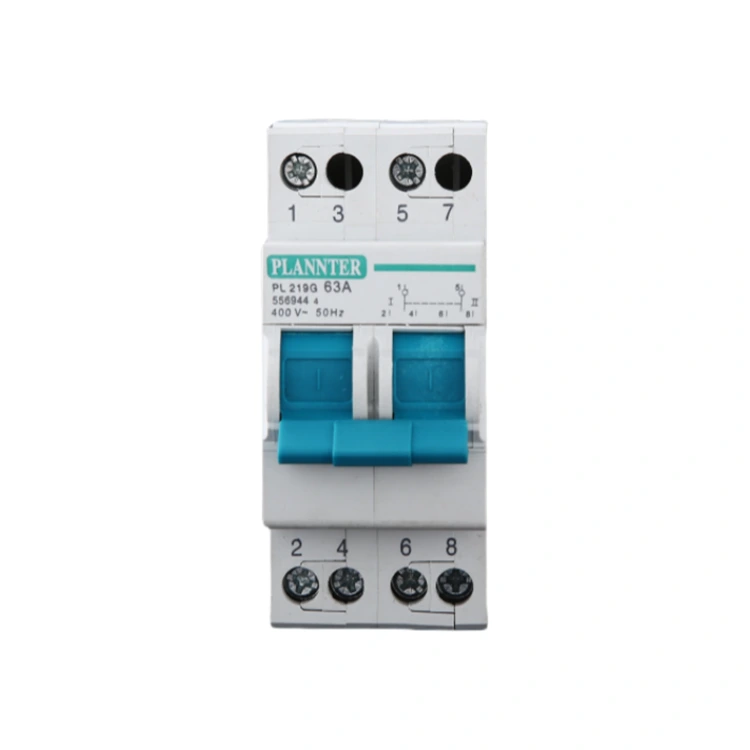
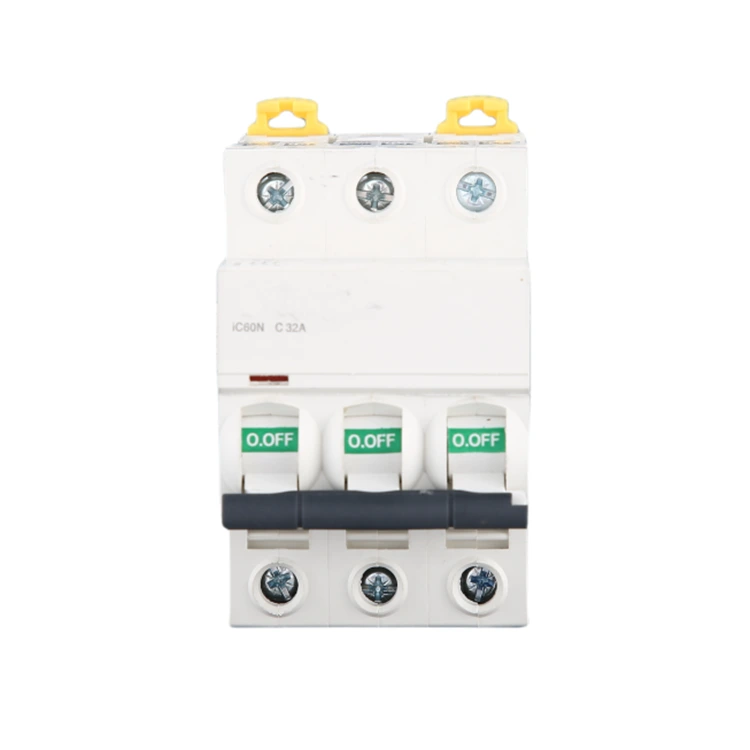
We welcome you to order high-quality and durable AC Molded Case Circuit Breakers from PUGAO (Plannter Electric). As a professional manufacturer and supplier with our own factory, we offer a one-stop solution—ranging from pre-sales consultation to after-sales technical support services.
Core Structure
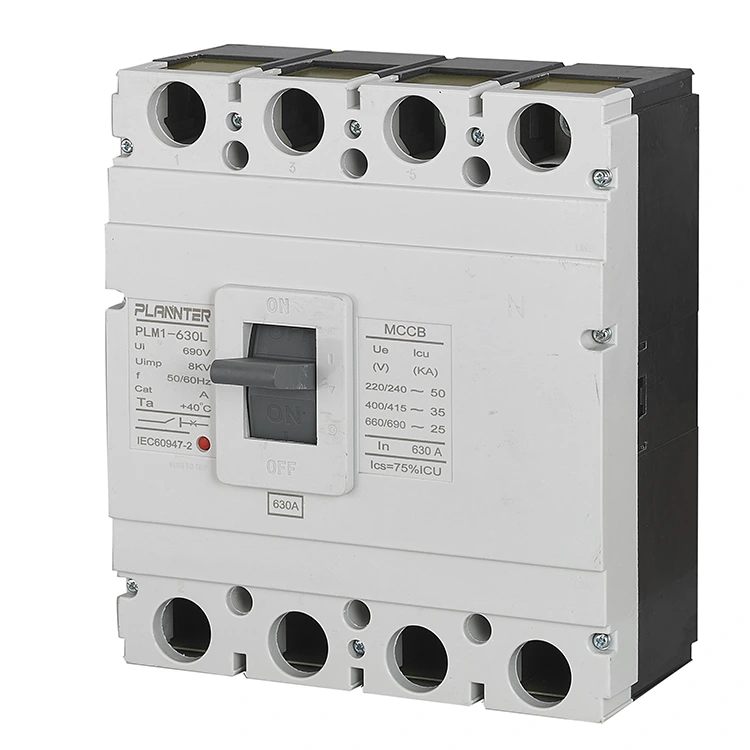
The ability of AC molded-case circuit breakers to handle high currents relies primarily on the following three components:
1. Molded Case
This component provides both electrical insulation and mechanical support; it completely encloses the live parts to prevent electric shock, features a compact structure, and requires virtually no maintenance.
2. Arc Extinguishing Chamber
When the circuit breaker interrupts a high current, a high-temperature electric arc forms between the contacts. The arc extinguishing chamber consists of numerous parallel metal plates designed to segment, elongate, and cool the arc, ultimately extinguishing it by utilizing the instant at which the AC current crosses the zero point. This mechanism is the key to its ability to safely interrupt short-circuit currents reaching thousands of amperes.
3. Trip Unit
This constitutes the core element that determines the circuit breaker's performance. Trip units are primarily categorized into two types: thermal-magnetic and electronic. The core components of the former are a bimetallic strip and an electromagnet, while the latter utilizes a microprocessor and a current transformer. These two types possess distinct protection characteristics and are suited for different application scenarios; the specific choice should be determined based on a detailed analysis of the individual project requirements.
What are the Performance Capabilities of the AC MCCB?
1. Exceptional Breaking Capacity
Standard residential circuit breakers are typically capable of handling short-circuit currents of up to 6,000A. Our AC MCCBs, however, can effortlessly interrupt extreme short-circuit currents of 35,000A (35kA)—or even higher (e.g., 100kA)—thereby safeguarding the electrical system against catastrophic failure.
2. Current Adjustability
Most PUGAO AC MCCBs feature an adjustable rated current setting (Ir). For instance, a 250A MCCB can be adjusted via a rotary knob to trip at 200A, depending on actual power consumption requirements; this feature provides greater flexibility in power distribution management.
3. Support for Heavy-Duty Loads
It is capable of withstanding the massive inrush currents generated during the startup of industrial motors, without suffering from the frequent nuisance tripping often associated with standard switches.
How to Select the Right AC MCCB for Your Project?
When selecting a model, we recommend focusing on five key aspects of the AC Molded Case Circuit Breaker:
1. Determine the Rated Current
This forms the foundation of the selection process. The circuit breaker's rated current must exceed the calculated current of the circuit.
Basic Formula: In ≥ Calculated Load Current.
PUGAO Tip: For inductive loads such as electric motors, the instantaneous starting current is significant; therefore, when selecting a breaker, it is typically necessary to apply a safety margin of 1.2 to 1.5 times the calculated current, or to opt for a specialized motor-protection MCCB.
2. Determine the Breaking Capacity
Breaking capacity refers to the maximum short-circuit current that the circuit breaker can safely interrupt.
Near the Transformer: Where short-circuit currents are high, we recommend selecting a high-breaking-capacity model (e.g., 50kA or 100kA).
At the End of Distribution Branches: Where short-circuit currents are relatively low, a more economical model may be selected (e.g., 25kA or 35kA).
Principle: The circuit breaker's ultimate short-circuit breaking capacity must exceed the estimated maximum short-circuit current at the point of installation.
3. Select the Number of Poles
3P (3-Pole): Used for balanced three-phase systems (e.g., purely motor-driven loads); protects and interrupts only the three phase conductors.
4P (4-Pole): Used for unbalanced three-phase systems (containing a mix of three-phase and single-phase loads); simultaneously interrupts both the phase conductors and the neutral conductor, offering enhanced safety during maintenance.
4. Select the Trip Unit Type
Thermal-Magnetic: Features a simple, reliable structure with strong resistance to interference, and is more economical. Suitable for most standard power distribution applications.
Electronic: Offers extremely high protection precision, allows for fine-tuning of current settings, and includes measurement and communication capabilities. Suitable for environments with stringent power quality requirements, such as hospitals, data centers, or large-scale precision manufacturing facilities.
5. Consider Ambient Temperature and Mounting Method
Derating: The nominal current rating of an MCCB is typically based on an ambient temperature of 40°C. If the breaker is to be installed within a confined, high-temperature distribution cabinet, please inform us so that we may determine the appropriate solution based on your specific project conditions.
Accessory Requirements: Do you require a shunt trip unit? Do you require auxiliary contacts?
FAQ
Q: Why does my circuit breaker trip the moment the motor starts?
A: This is typically caused by a mismatch in the tripping curve.
The instantaneous current drawn by a motor during startup is usually 7 to 12 times its rated current. If you have selected a Type C circuit breaker, it will misinterpret this surge as a short circuit and trip instantly.
For motor loads, please ensure you select a Type D molded case circuit breaker (MCCB) or a specialized motor-protection circuit breaker.
Q: How do I choose between 3P and 4P circuit breakers?
A: This depends on your system's grounding configuration and load requirements.
Choose 3P: For purely three-phase loads where a neutral line is not required.
Choose 4P: For systems that include single-phase loads (which require a neutral line).
Q: Can your molded case circuit breakers (MCCBs) provide earth leakage protection?
A: Yes, they can; however, this functionality is typically not integrated into the unit itself but is instead achieved through modular assembly.
If you require this feature, an earth leakage protection module can be added. Note, however, that earth leakage protection is primarily intended for fire prevention; if your objective is end-circuit protection against electric shock, we recommend selecting a dedicated Residual Current Device (RCD) or PUGAO MCB series.