News

What Makes a Manual Conversion Interlock Circuit Breaker Essential for Your Electrical System?

2026-03-16 0 Leave me a message


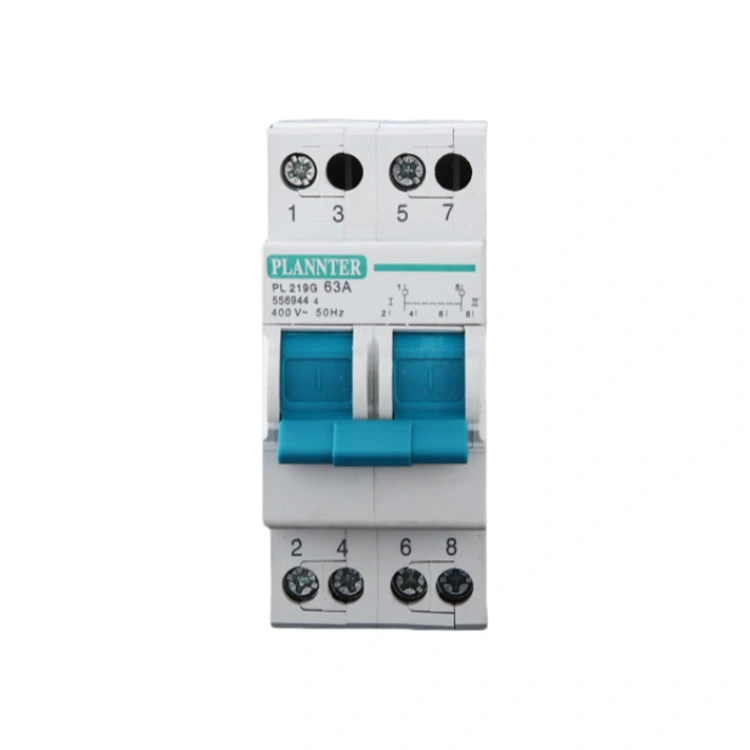
Manual Conversion Interlock Circuit Breakers are critical for ensuring safe switching between power sources in commercial and industrial electrical systems. This article covers their working principle, advantages, installation tips, troubleshooting methods, and why choosing Yueqing Plannter Electric Factory ensures quality and reliability.

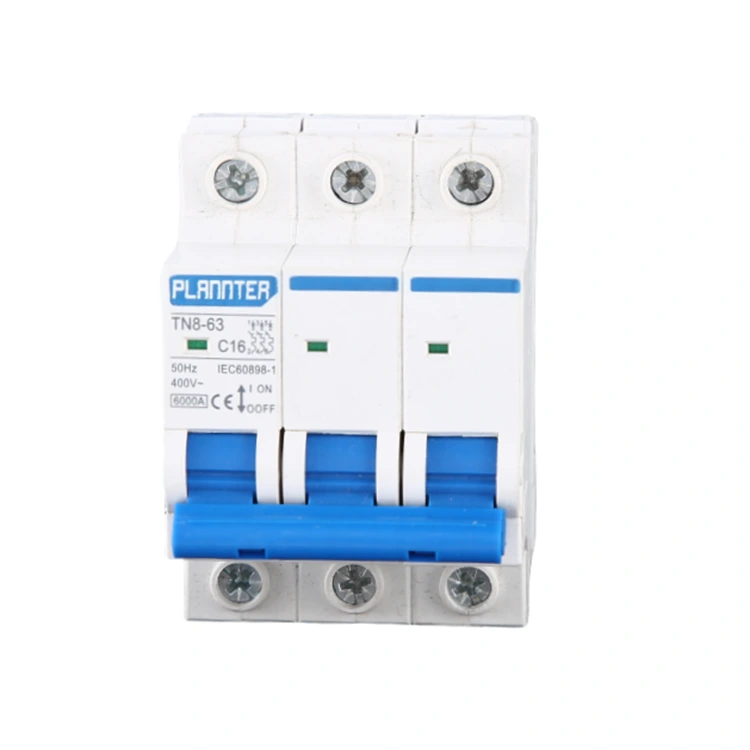
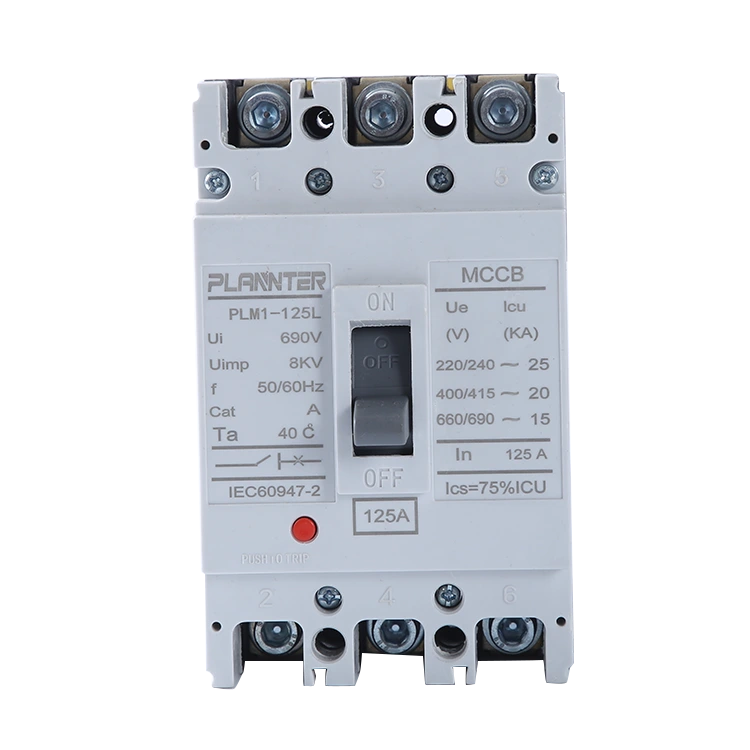
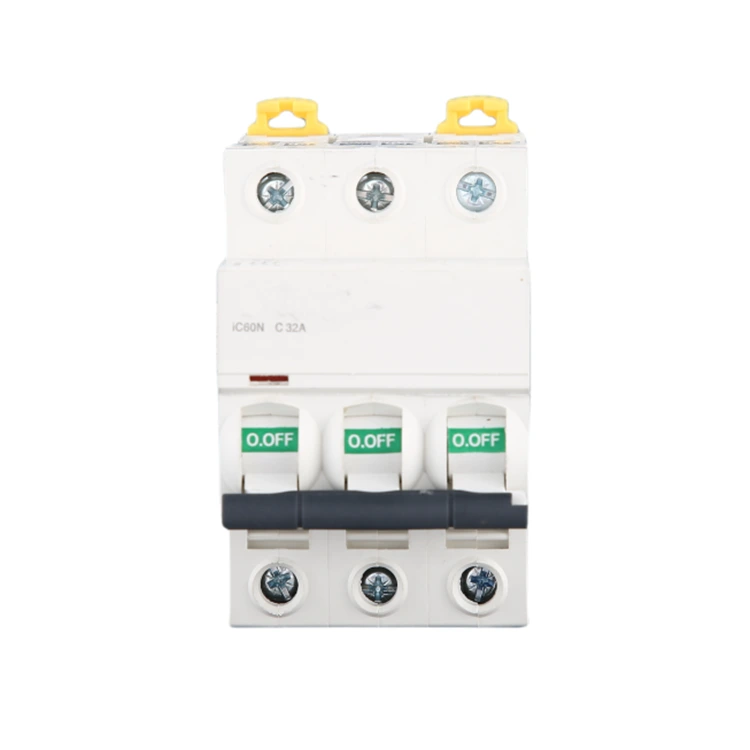
Manual Conversion Interlock Circuit Breakers

Table of Contents


What is a Manual Conversion Interlock Circuit Breaker?

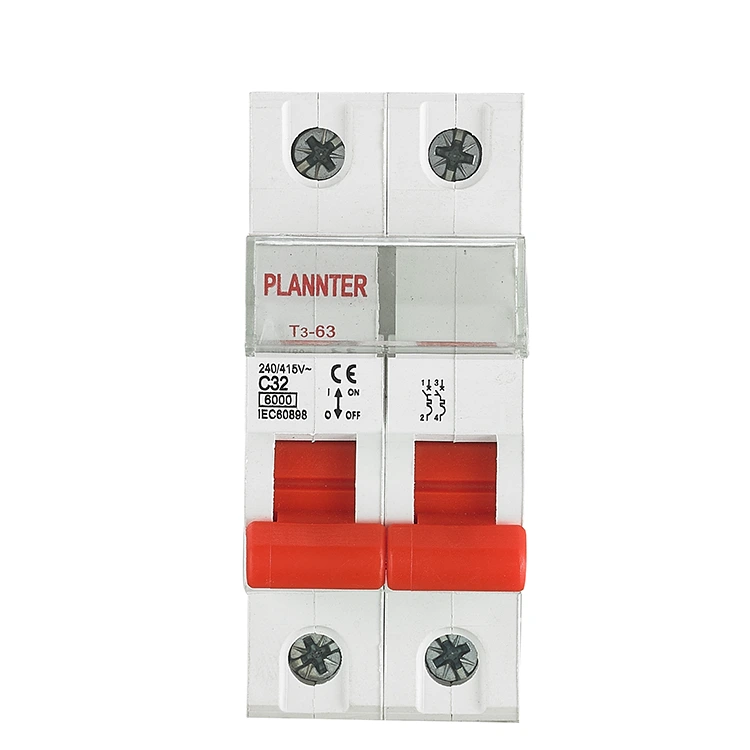
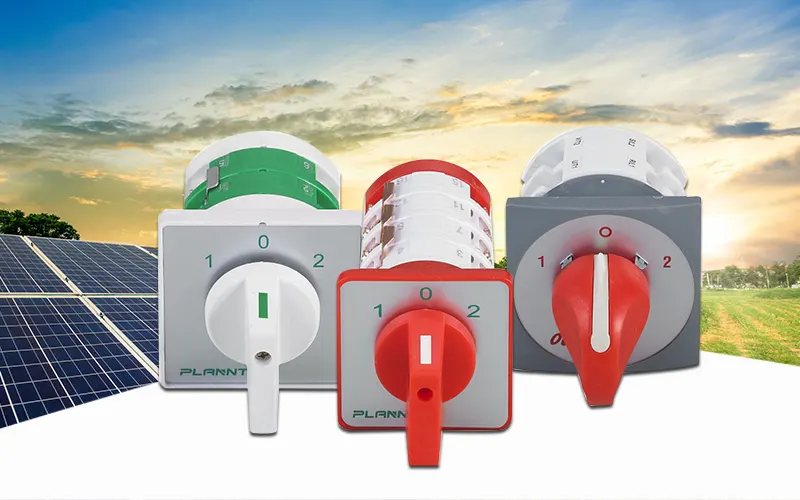
A Manual Conversion Interlock Circuit Breaker (MCIB) is a safety device used to prevent simultaneous connection of multiple power sources, such as the main grid and a generator. This ensures that only one power source supplies electricity at a time, protecting electrical equipment and personnel.

These breakers are widely applied in:

  • Industrial plants requiring uninterrupted power supply.
  • Commercial buildings with backup generators.
  • Renewable energy systems with dual power input.

How Does a Manual Conversion Interlock Circuit Breaker Work?

The working principle of a manual conversion interlock circuit breaker is based on mechanical and electrical interlocking:

  • Mechanical Interlock: Prevents both the main and backup breakers from being ON at the same time.
  • Manual Operation: Requires the operator to switch between power sources manually, ensuring deliberate control.
  • Electrical Safety: Integrated protection circuits prevent back-feeding and short circuits during switching.

Key Benefits of Using Manual Conversion Interlock Circuit Breakers

MCIBs offer multiple advantages for both safety and operational efficiency:

  • Enhanced Safety: Prevents accidental simultaneous connection of power sources.
  • Reliability: Provides a robust solution without complex electronics.
  • Cost-effective: Requires lower investment than fully automatic transfer systems.
  • Ease of Maintenance: Simple design allows quick inspection and replacement.
  • Customizable: Can be adapted to different voltage levels and load requirements.

Types of Manual Conversion Interlock Circuit Breakers

MCIBs come in several designs based on application requirements:

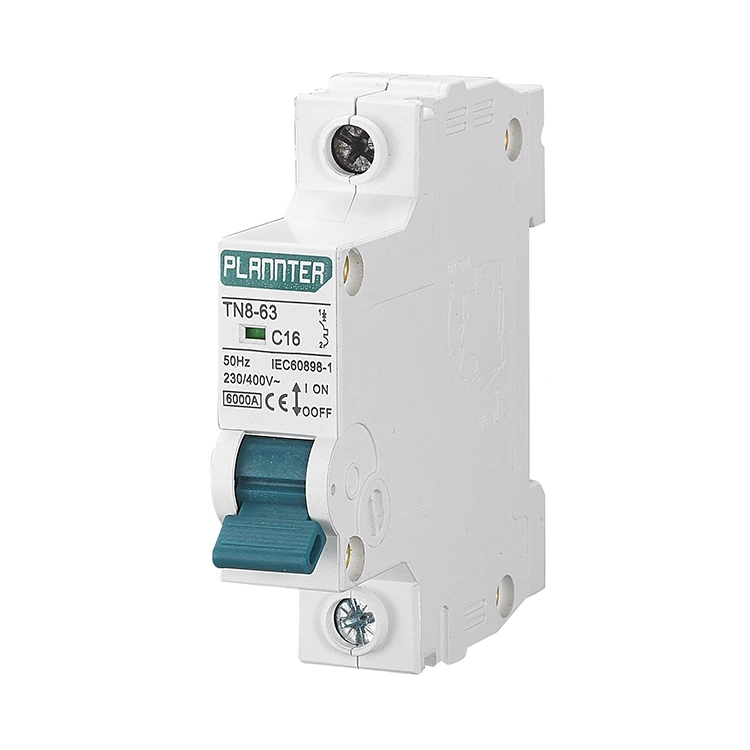
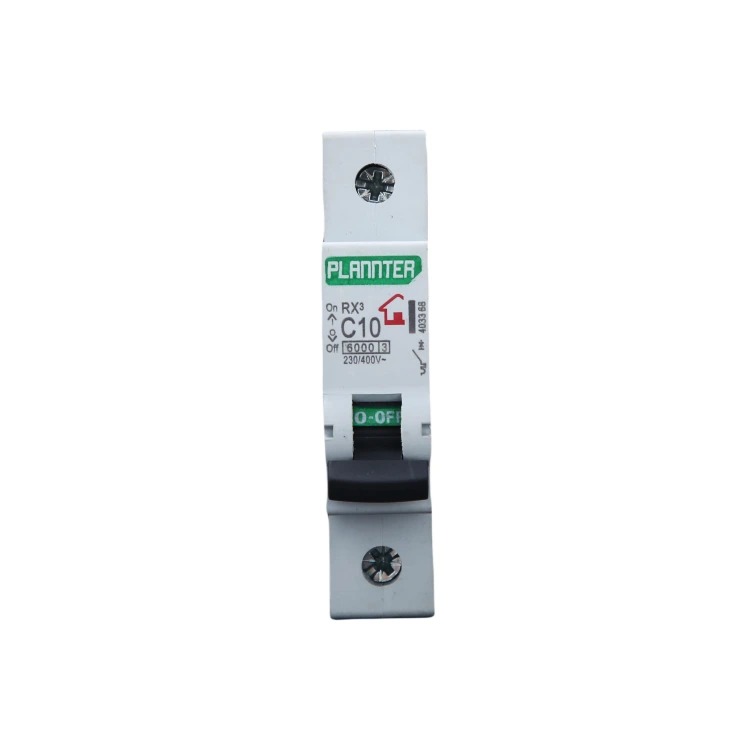
  1. Single-pole MCIB: Ideal for small loads and residential applications.
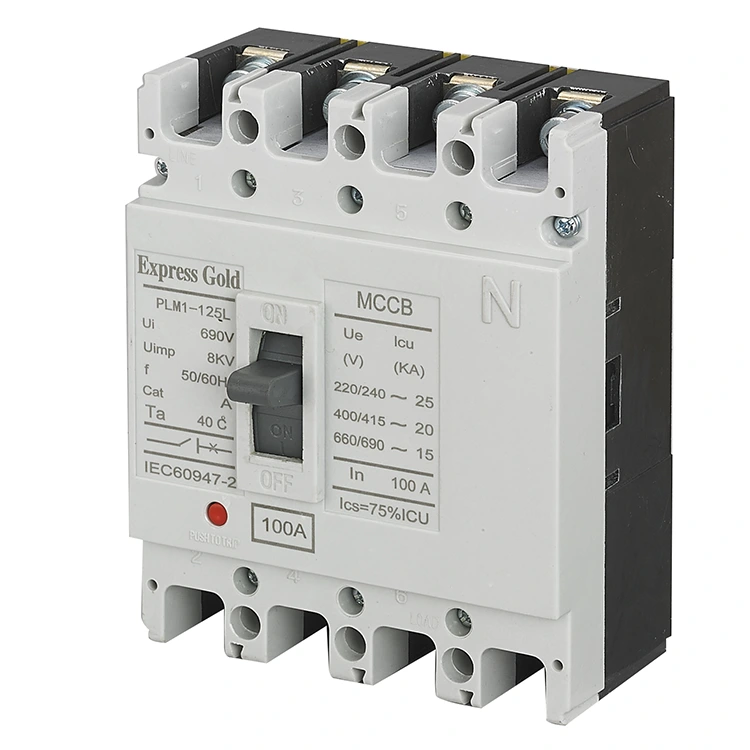
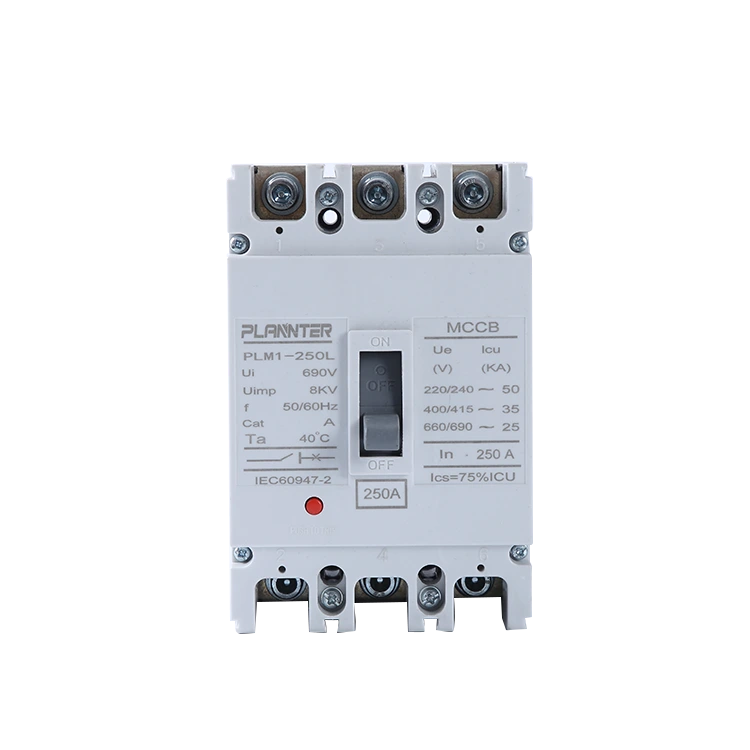
  2. Three-pole MCIB: Suitable for industrial three-phase systems.
  3. Generator-interlocked MCIB: Specifically designed for backup generator integration.

Installation Tips and Best Practices

Correct installation is essential for safe operation. Follow these best practices:

  • Ensure the breaker rating matches the system voltage and current.
  • Verify mechanical interlock alignment before energizing the system.
  • Label all breakers clearly to prevent operator errors.
  • Test the manual switching operation under no-load conditions before live operation.
  • Regularly inspect for wear, dust, or loose connections.

Common Troubleshooting and Maintenance

Even with careful installation, issues may arise. Key troubleshooting steps include:

  • Breaker Won’t Switch: Check mechanical interlock for obstruction or misalignment.
  • Tripping Under Load: Verify load ratings and inspect for short circuits.
  • Loose Connections: Tighten terminals and check wiring according to the manufacturer’s guide.
  • Regular Testing: Conduct periodic switching tests to ensure reliability.

Comparison Table: Manual vs Automatic Conversion Breakers

Feature Manual Conversion Interlock Circuit Breaker Automatic Transfer Switch
Operation Manual switching by operator Automatic switching based on load sensing
Cost Lower initial investment Higher initial investment
Reliability Fewer components, simpler maintenance More complex, requires monitoring
Safety High if interlock properly installed High with automatic control
Flexibility Customizable for various loads Depends on pre-programmed logic

Frequently Asked Questions (FAQ)

Q1: Can a manual conversion breaker handle high current loads?

A1: Yes, MCIBs are available in various ratings, including high current industrial applications. Yueqing Plannter Electric Factory provides models suitable for heavy-duty operations.

Q2: How often should the breaker be tested?

A2: It is recommended to test the breaker manually every 3–6 months, depending on operational frequency, to ensure proper interlock function.

Q3: Is installation difficult for non-professional electricians?

A3: While MCIBs are simpler than automatic systems, installation should be done by qualified personnel to ensure safety and compliance with local codes.

Q4: Can I integrate MCIBs with renewable energy systems?

A4: Yes, they are highly adaptable and can safely switch between grid power and renewable sources like solar or wind generators.


Conclusion and Why Choose Yueqing Plannter Electric Factory

Manual Conversion Interlock Circuit Breakers are a practical, safe, and cost-effective solution for managing dual power sources. Yueqing Plannter Electric Factory offers high-quality MCIBs with reliable interlocking mechanisms, easy maintenance, and flexible customization for various industrial and commercial applications. Investing in a well-designed MCIB ensures the safety of both personnel and equipment while providing dependable power management.

Ready to upgrade your electrical system with a reliable Manual Conversion Interlock Circuit Breaker? Contact us today and discover solutions tailored to your needs!


Related News
Leave me a message
X
We use cookies to offer you a better browsing experience, analyze site traffic and personalize content. By using this site, you agree to our use of cookies. Privacy Policy
Reject Accept