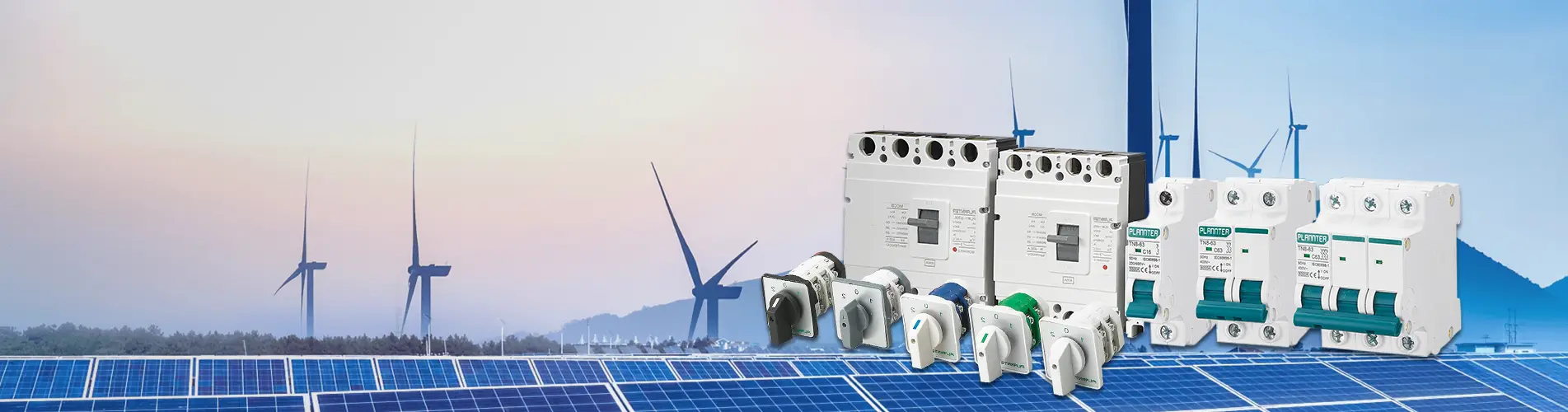
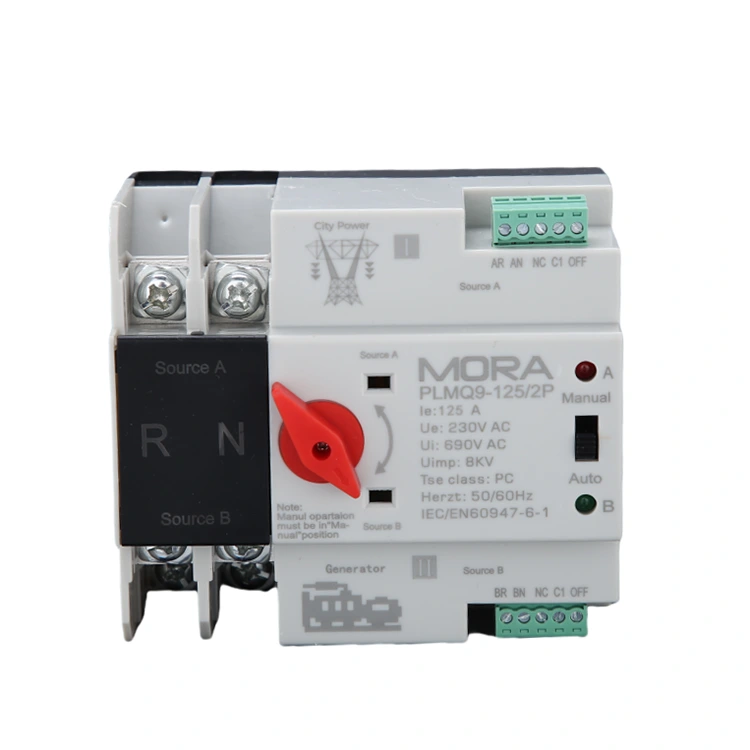
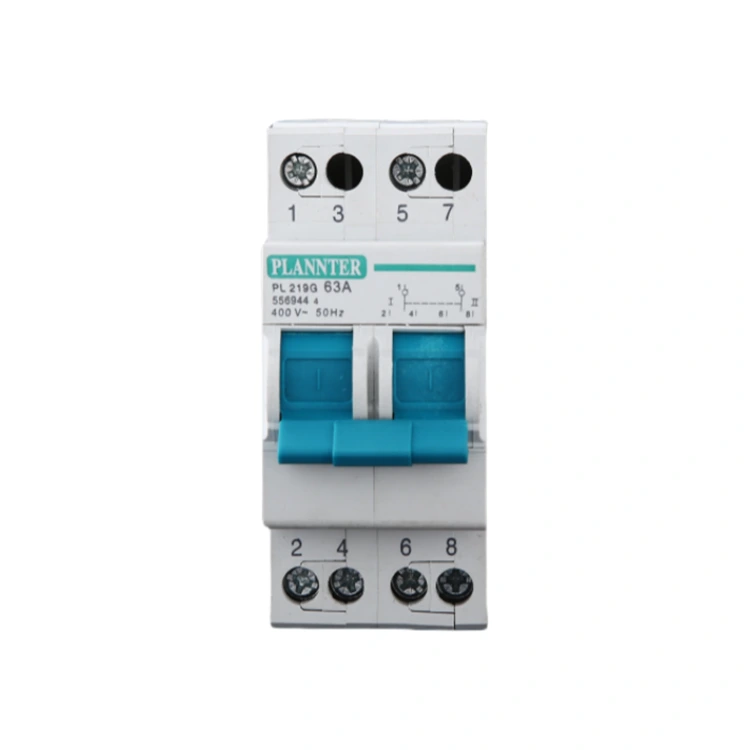
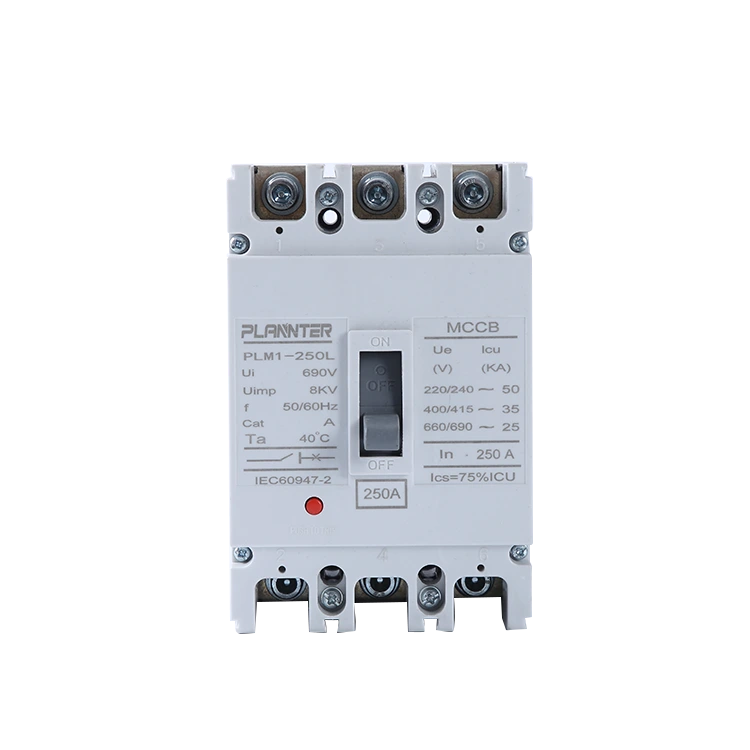
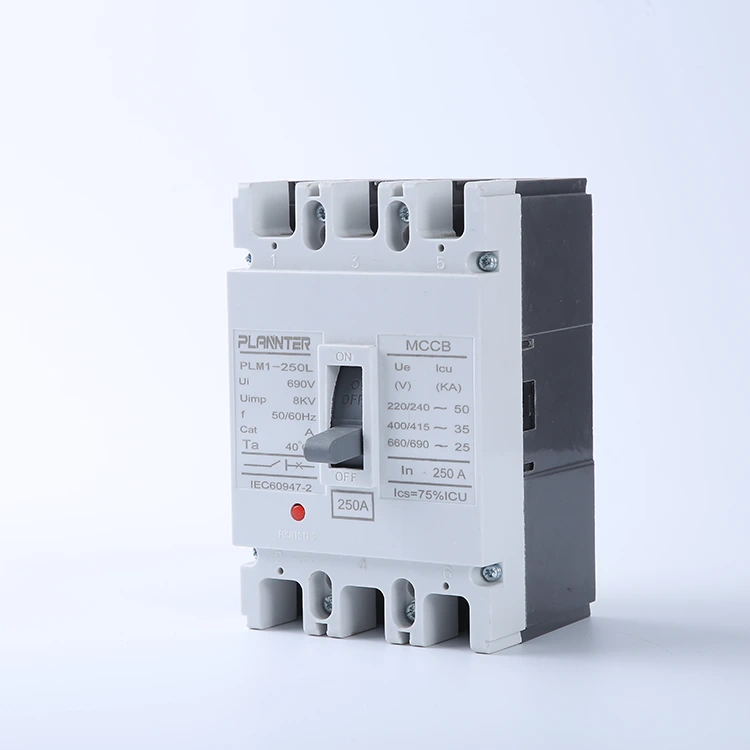
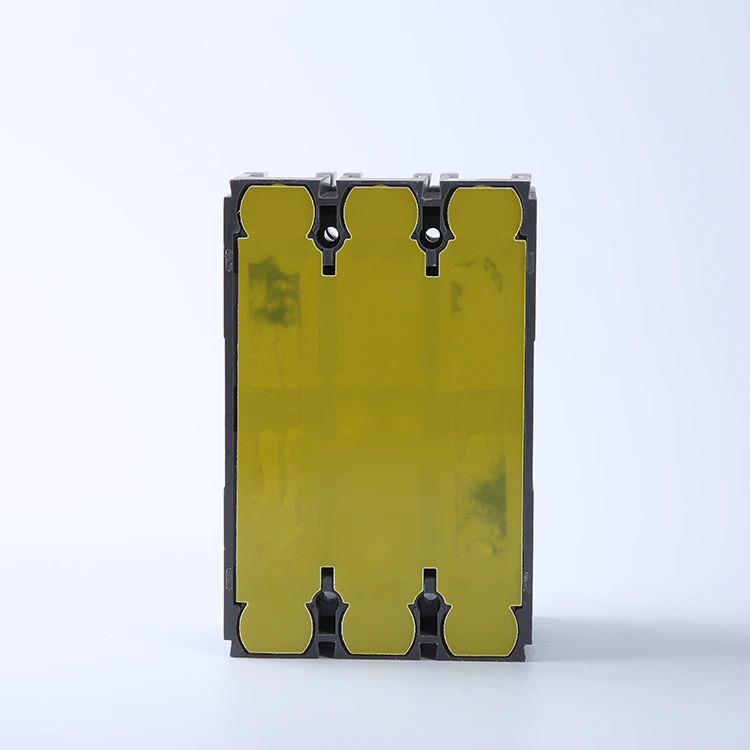
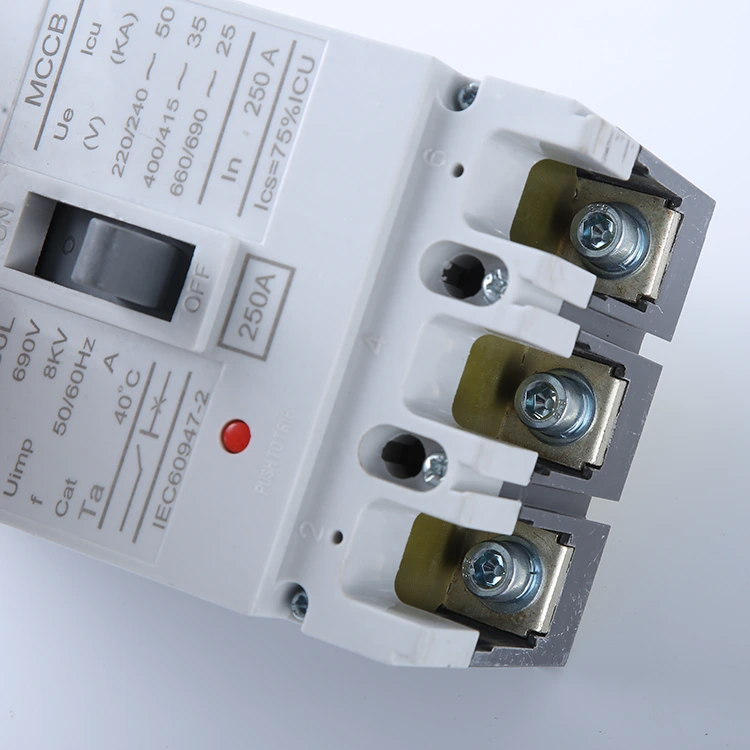
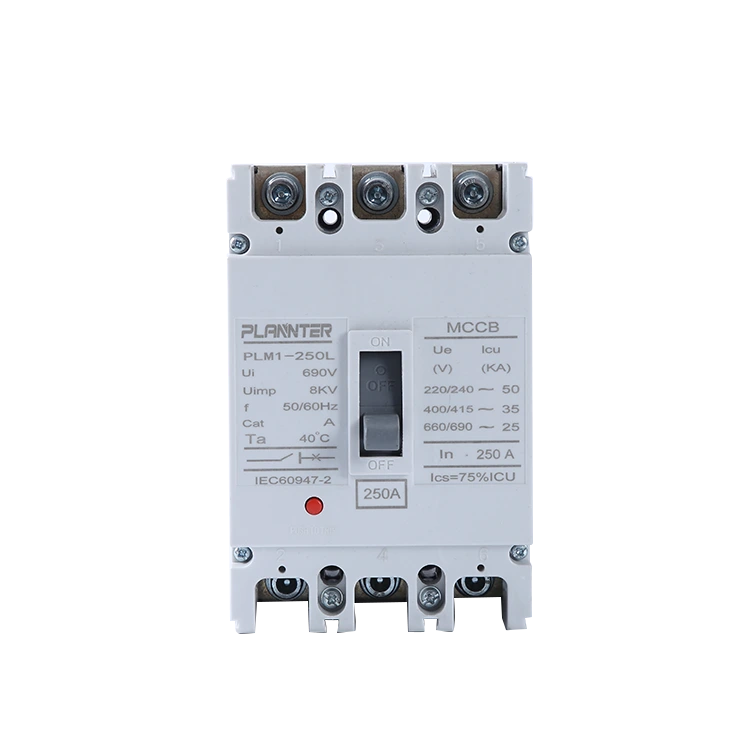
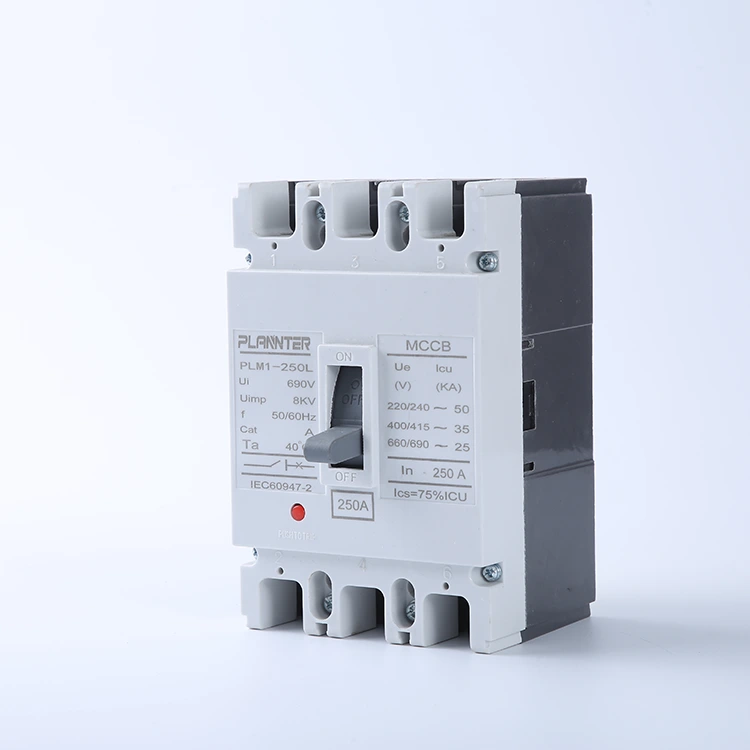
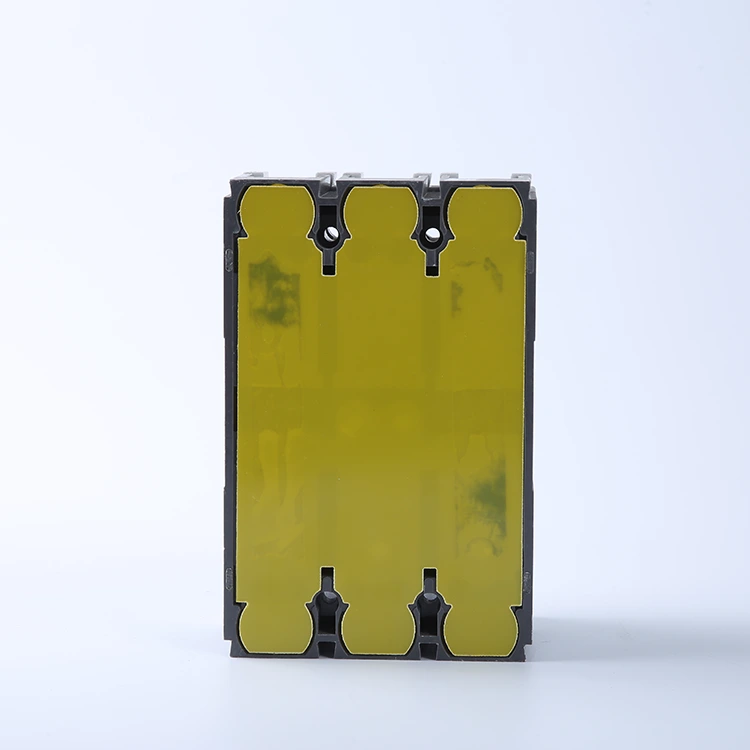
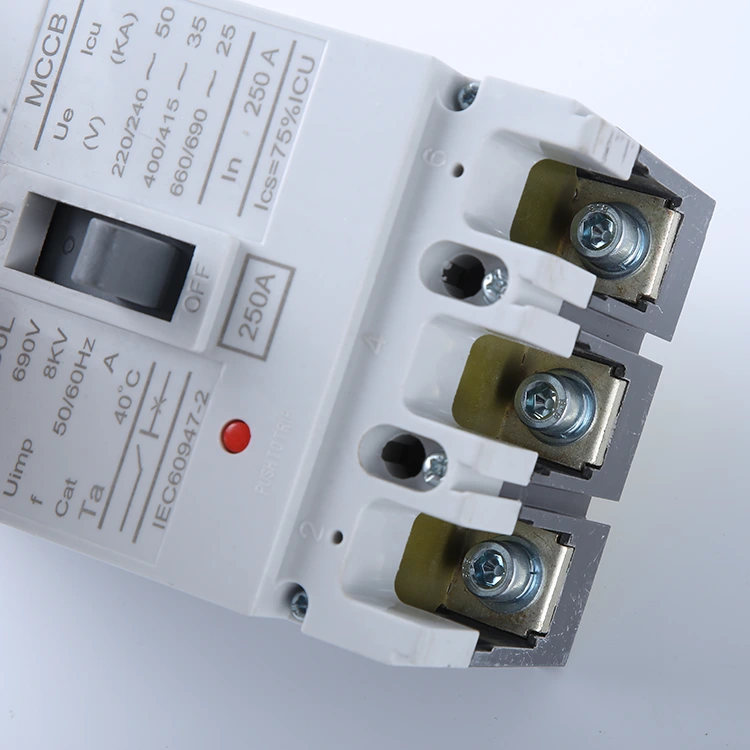
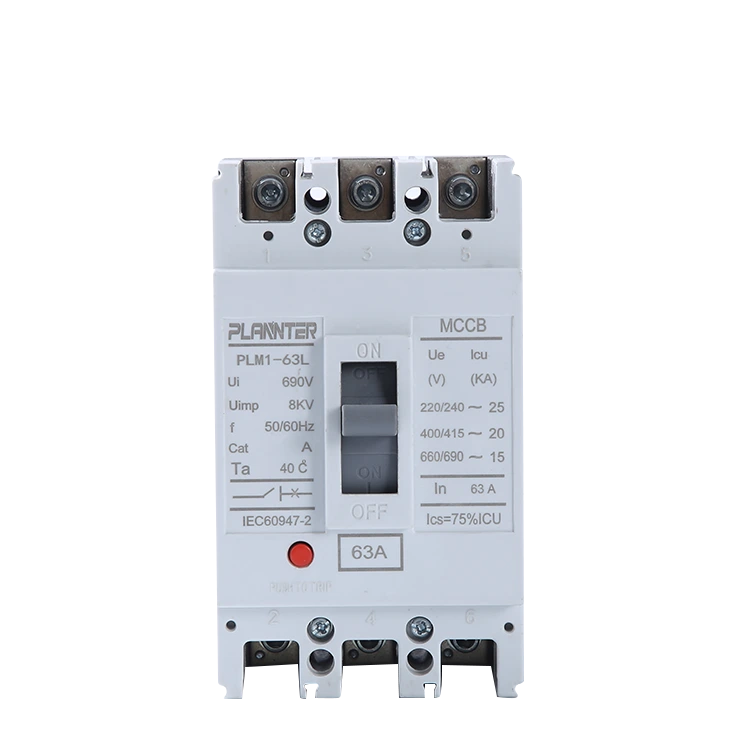
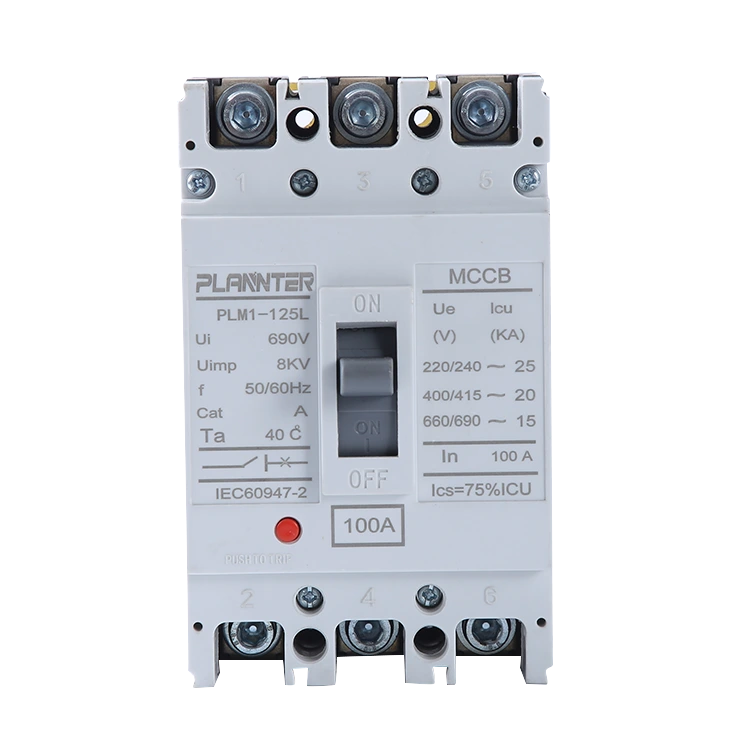
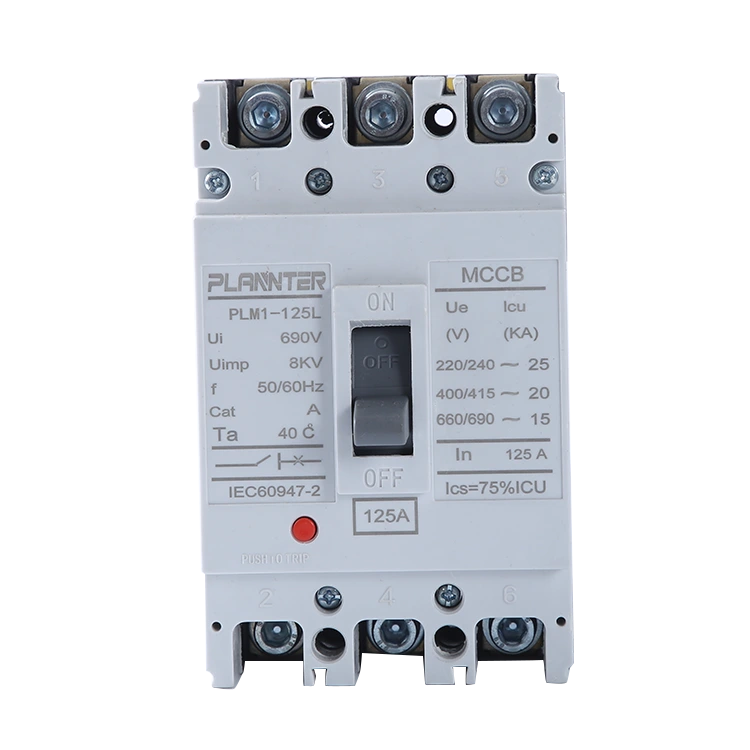
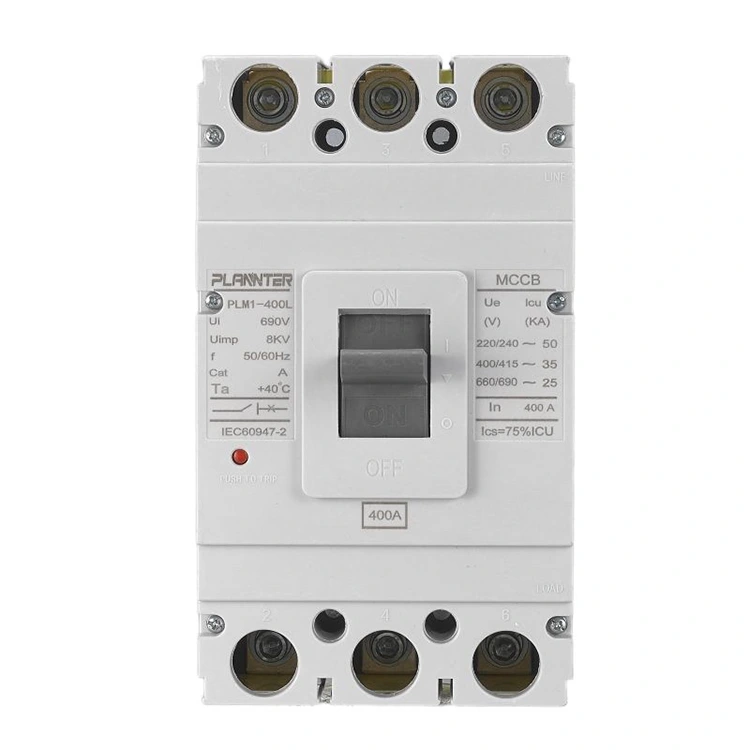
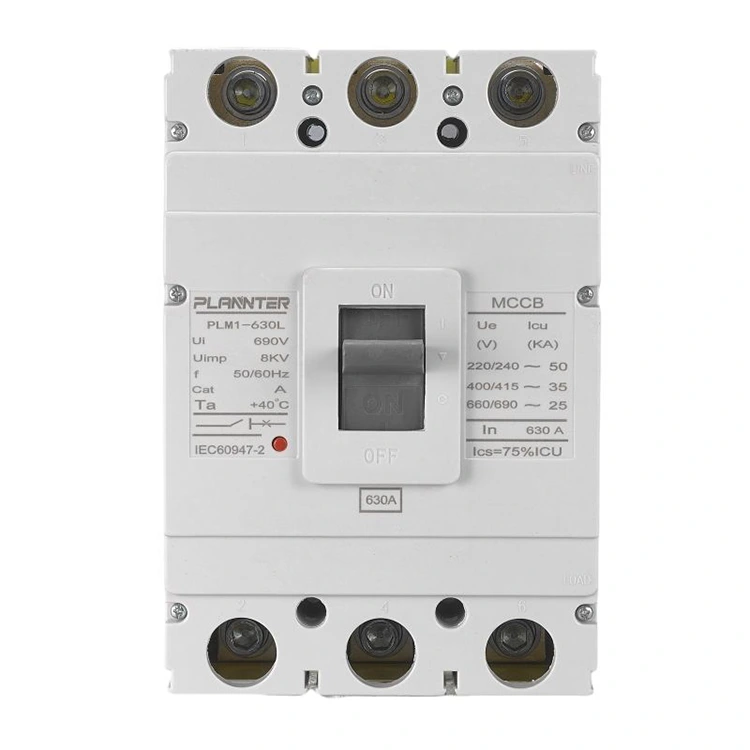
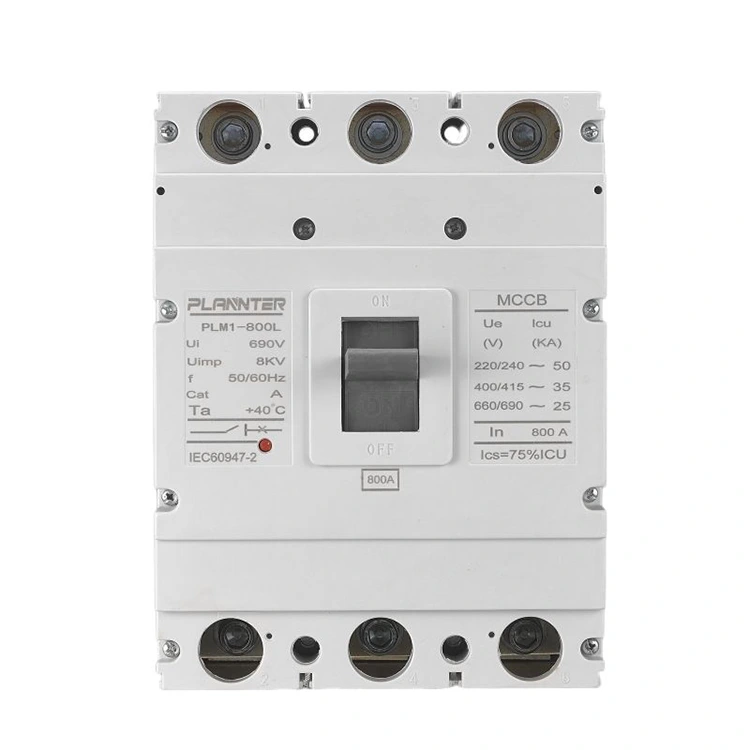
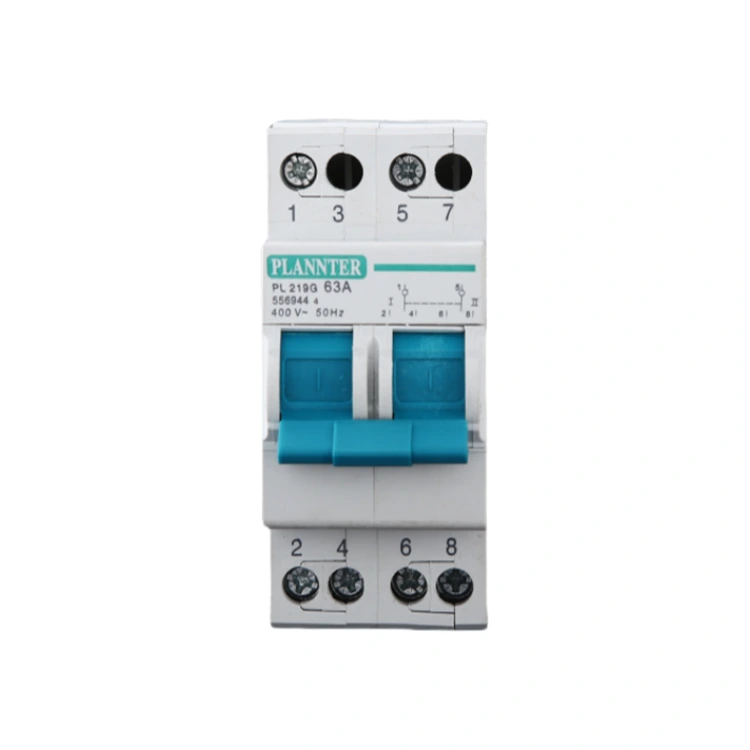
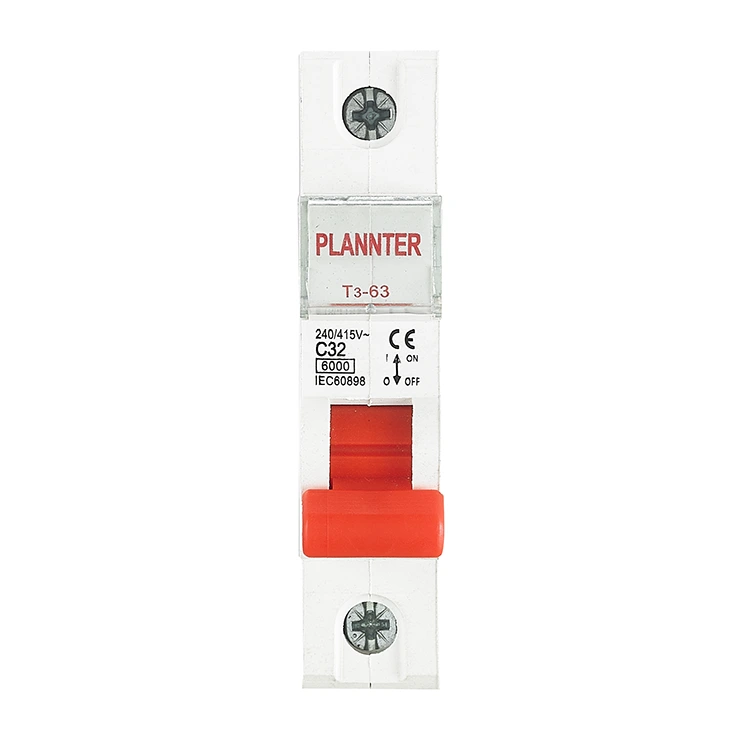
Pugao supplies AC High Voltage Molded Case Circuit Breaker to the global market, featuring high arc resistance, shock resistance, and dimensional stability. Assembled using specialized tooling with critical bolts tightened to precise torque specifications, every unit undergoes rigorous testing—including trip travel, contact pressure, and full-load evaluations—to ensure inter-pole synchronization and stable current-carrying performance. The entire product series is certified under ISO 9001, ISO 14001, and ISO 45001 standards.
An AC High Voltage Molded Case Circuit Breaker is a robust circuit protection device designed to handle high current loads and extreme short-circuit situations. It serves as the "final defense" for your power system, ensuring interruption even under severe fault conditions.
Built with arc-resistant and impact-resistant materials, these breakers provide dimensionally stable performance, making them the reliable core inside power control cabinets for large-scale operations.
Key Features and Specifications
Voltage Range
Rated Operating Voltage: AC 400V/690V; AC High Voltage Molded Case Circuit Breaker is suitable for industrial-grade high-voltage power distribution applications and supports three-phase, three-wire systems.
Insulation Performance: Features a 3000V power-frequency withstand voltage and an 8kV impulse withstand voltage, ensuring insulation safety in high-voltage environments.
Breaking Capacity
Ultimate Short-Circuit Breaking Capacity: Icu reaches up to 65kA–100kA, enabling rapid circuit interruption during extreme short-circuit faults to serve as the system's final line of defense.
Service Short-Circuit Breaking Capacity: Ics ≥ 50kA, allowing the device to remain operational even after multiple fault interruptions, thereby reducing maintenance costs.
Current Ratings
Rated Current: Covers a range of 250A–1600A, supporting standard specifications such as 250A, 400A, 630A, 800A, 1000A, 1250A, and 1600A to accommodate diverse load requirements.
Adjustable Trip Settings: Features a thermal trip range of 80%–100% In and a magnetic trip range of 4–10 In, enabling selective protection to prevent nuisance tripping.
Operating Conditions
Ambient Temperature: -25°C to +70°C, capable of withstanding extreme temperature fluctuations in industrial environments.
Mounting Method: Fixed or withdrawable type; supports horizontal/vertical busbar connections and is compatible with standard distribution cabinet installation dimensions.
Protection Class: IP20 (for cabinet installation); the housing is constructed from high-temperature-resistant, impact-resistant engineering plastics and complies with the IEC 60947-2 standard.
Key Differences: Low Voltage vs. High Voltage Breakers
Understanding the distinction between Low Voltage (LV) and High Voltage (HV) protection is crucial for selecting the right equipment for your power distribution system. Here is how they compare:
Low Voltage (LV) Breakers
Voltage Range: Typically rated for systems up to **1000V AC**. Common ratings include 240V and 400V for residential and light commercial use.
Applications: Widely used in household distribution boards, small commercial buildings, and final circuit protection (lighting, sockets).
Size & Complexity: Generally compact (e.g., MCBs) and simpler in design, focusing on basic overload and short-circuit protection without complex arc control systems.
High Voltage (HV) Breakers
Voltage Range: Designed for medium to high voltage systems, often ranging from **3.3kV up to 72.5kV** or higher.
Arc Extinguishing: Because high voltage creates powerful arcs, these breakers (like our AC High Voltage Molded Case Circuit Breaker) require advanced arc-quenching technologies, such as vacuum bottles, SF6 gas, or specialized grids, to safely interrupt the current.
Applications: Essential for heavy industrial plants, power generation stations, large transformers, and main distribution feeders where reliability is critical.
Protection: Often equipped with sophisticated electronic trip units for precise selective coordination and remote control capabilities.
What are the Types of High-Voltage Circuit Breakers?
High-voltage circuit breakers are categorized by the medium they use to extinguish the electrical arc. Choosing the right type is essential for system safety and efficiency.
Vacuum Circuit Breaker (VCB)
Principle: Uses a vacuum (pressure < 10⁻⁴ Pa) as the arc quenching and insulating medium. The absence of gas molecules makes it extremely difficult for an arc to sustain itself.
Key Features: Compact size, long service life, and maintenance-free operation. They are environmentally friendly as they do not use gas or oil.
Application: Dominant in medium voltage (up to 40.5kV) indoor switchgear applications.
SF6 Circuit Breaker
Principle: Uses Sulfur Hexafluoride (SF6) gas, which has an insulating strength ~2.5x that of air and arc-quenching capability ~100x better than air.
Key Features: Excellent performance in high voltage (HV) and extra-high voltage (EHV) transmission networks. They are reliable but require strict sealing to prevent gas leakage.
Application: Widely used in substations and outdoor high-voltage transmission lines (above 72.5kV).
Air Blast Circuit Breaker
Principle: Uses a high-pressure blast of compressed air to blow out the arc, cooling and extinguishing it rapidly.
Key Features: Fast operation and fire-safe (no oil). However, they are noisy and require a complex air compressor system.
Application: Historically used for very high voltage (EHV) systems, though largely replaced by SF6 and VCBs in modern grids.
Where does the AC High Voltage MCCB fit?
While VCBs and SF6 breakers handle transmission-level voltages, the AC High Voltage MCCB is engineered for industrial medium-voltage distribution (e.g., 690V to 3.6kV). It bridges the gap between standard low-voltage breakers and massive high-voltage switchgear, offering robust protection for heavy machinery and power centers.
FAQ
What is the voltage rating (Un)?
The rated operational voltage (Un) for our AC High Voltage MCCB typically ranges up to **690V AC**. This rating ensures the breaker can safely operate and isolate circuits in high-voltage industrial environments, such as large power centers and heavy machinery.
Can I use a standard MCCB for a transformer primary side?
Yes, but it requires careful selection. The breaker must handle the transformer's inrush current without nuisance tripping. Our AC High Voltage MCCB series features adjustable magnetic trip settings (e.g., 4–10 times In), allowing you to set the threshold high enough to tolerate inrush currents while still providing short-circuit protection.
What is the typical current range?
High-voltage molded case circuit breakers generally cover higher amperage needs compared to standard miniature breakers. Our range typically spans from 250A up to 2500A, making them suitable for main distribution feeders and large industrial loads.
How do they differ from fuses?
Resettable: Unlike fuses which must be replaced after a fault, an MCCB can be reset after tripping.
Adjustability: MCCBs allow for adjustable trip settings (thermal and magnetic), offering precise protection coordination that fixed fuses cannot provide.
Switching: An MCCB can serve as a manual switch to disconnect power for maintenance.
What happens if I use an AC breaker on a DC system?
Do not do this. AC breakers rely on the alternating current crossing zero to extinguish the electrical arc. DC current does not cross zero, meaning the arc will not extinguish and can cause a fire or explosion. You must use a breaker specifically rated for DC applications.
How do you safely replace a high-voltage MCCB?
Safety is paramount. Follow these steps:
De-energize: Turn off the upstream power supply and verify zero voltage.
Lockout/Tagout: Apply lockout devices to prevent accidental re-energizing.
Disconnect: Remove the line and load cables (and neutral if applicable).
Replace: Unmount the old unit and install the new AC High Voltage Molded Case Circuit Breaker, ensuring all connections are torqued to the manufacturer's specifications.
Hot Tags: AC High Voltage Molded Case Circuit Breaker
For inquiries about mini circuit breaker, voltage protector, changeover switch or price list, please leave your email to us and we will be in touch within 24 hours.
We use cookies to offer you a better browsing experience, analyze site traffic and personalize content. By using this site, you agree to our use of cookies.
Privacy Policy