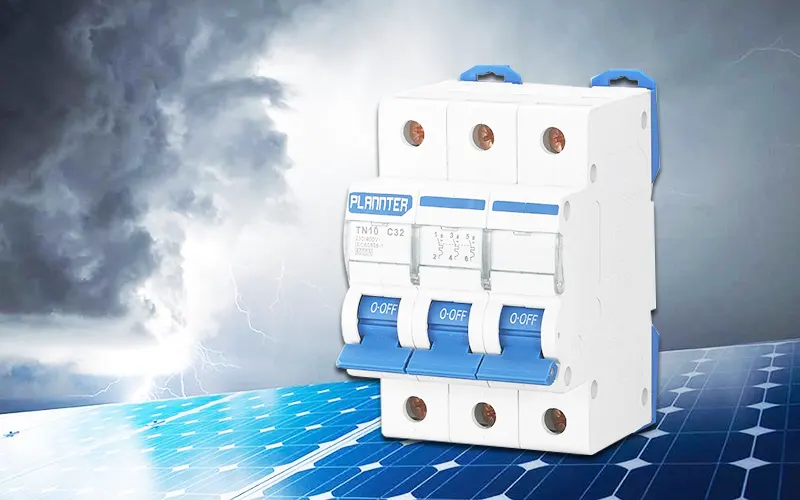
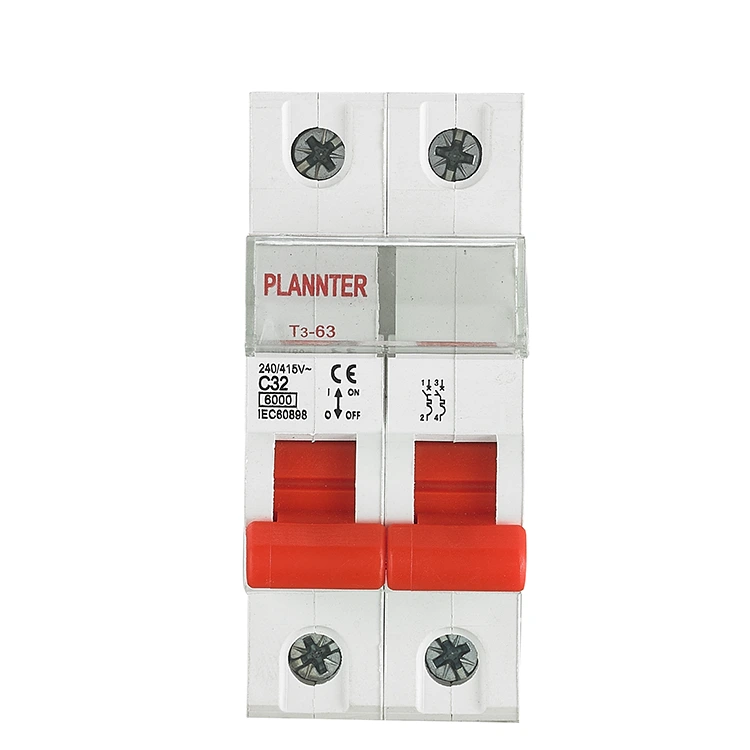
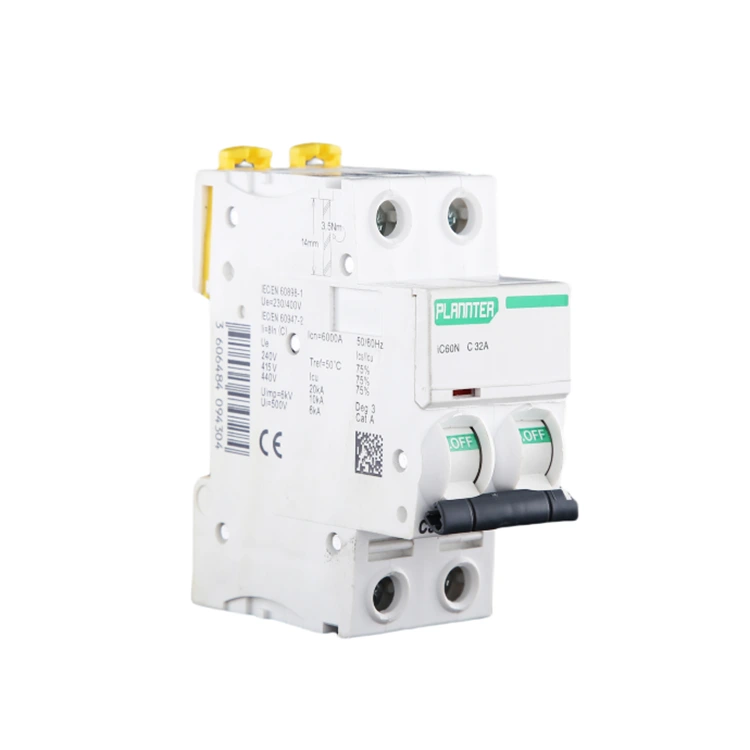
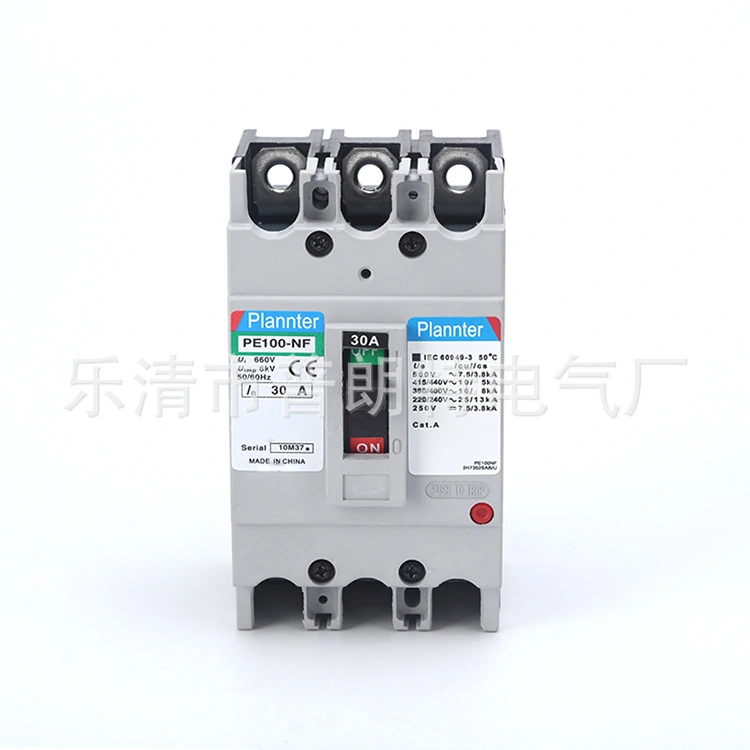
The C32 32A AC circuit breaker is a cornerstone device in electrical distribution systems, providing reliable protection against overloads, short circuits, and potential electrical hazards. This article explores what the C32 rating means, why its characteristics matter in both residential and industrial contexts, and how engineers optimize safety, efficiency, and compliance when selecting these breakers. Featuring insights related to standards, installation practices, comparative tables, and technical FAQs, this guide empowers professionals and enthusiasts alike.
The term C32 32A AC circuit breaker refers to a miniature circuit breaker (MCB) with a nominal current rating of 32 Amperes (A) and a Type “C” tripping curve, designed for alternating current (AC) applications. The current rating denotes the maximum continuous current the device can carry without tripping under normal load conditions, while the “C” curve defines the magnetic trip response characteristics suited for moderate inrush currents.
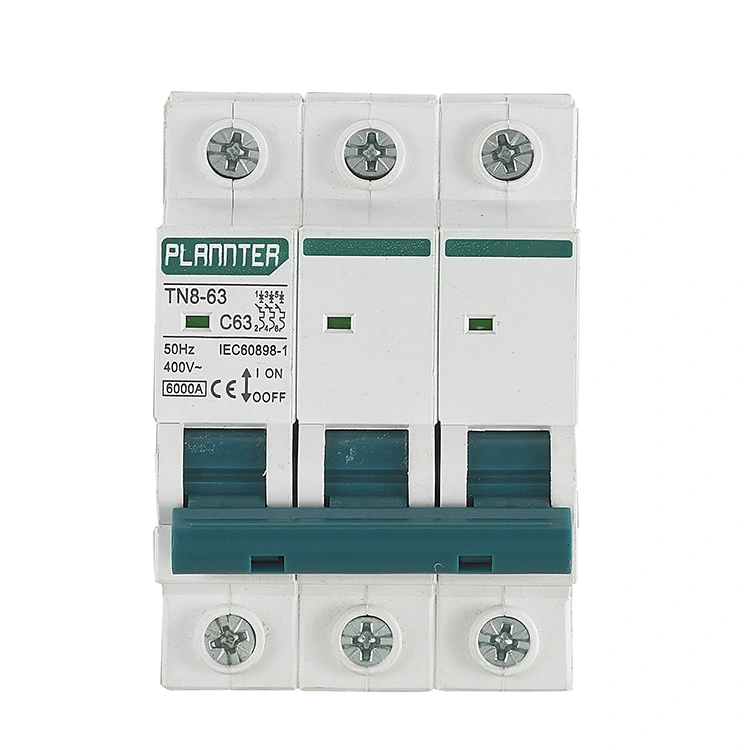
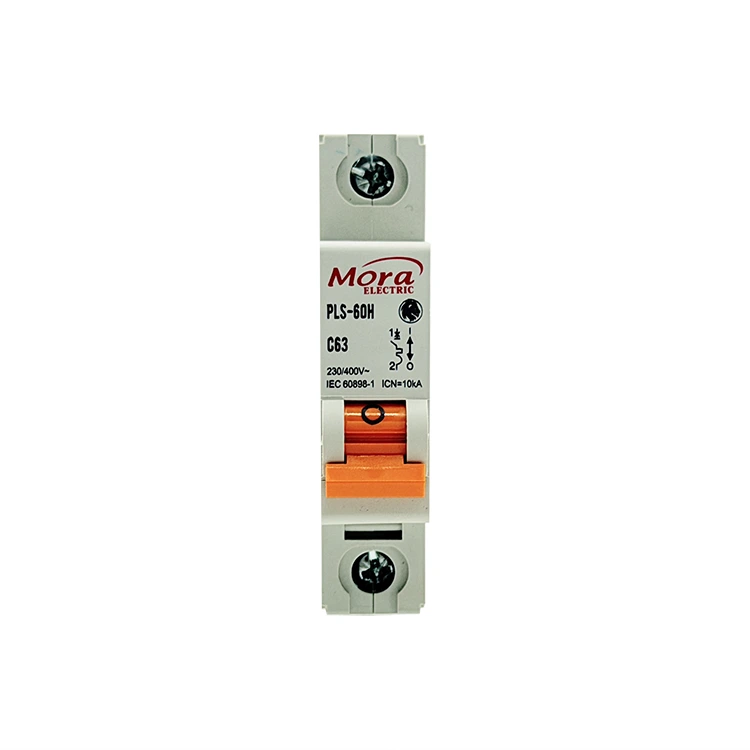
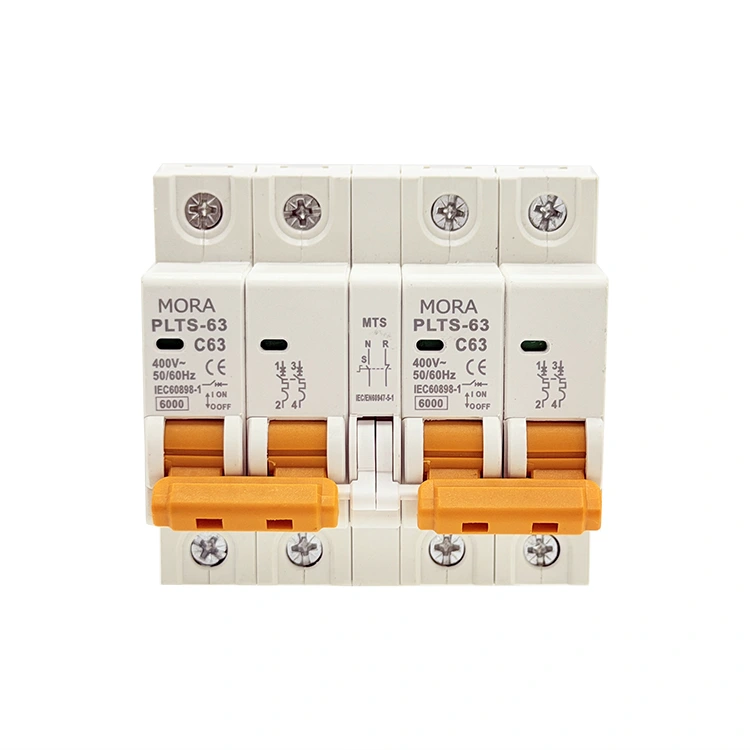
Single‐pole, two‐pole, and three‐pole configurations enable use in both single-phase and multi-phase power distribution. The modular design is optimized for DIN rail mounting and seamless integration into standard electrical panels.
Circuit breakers like the C32 perform critical protective roles:
The Type “C” magnetic trip curve means the device tolerates inrush currents between five and ten times its rated current before tripping. This makes it ideal for circuits powering lighting, general outlets, and motors with moderate inrush.
Compared with “B” curves (resistive loads) and “D” curves (high inrush loads such as large motors), Type C offers a balance between selectivity and robustness, reducing nuisance trips during normal startup conditions while still providing reliable protection.
C32 breakers are applied across diverse environments:
When specifying or acquiring a C32 breaker, engineers evaluate several technical parameters:
| Specification | Typical Value | Importance |
|---|---|---|
| Rated Current | 32A | Defines maximum continuous circuit load before trip |
| Tripping Curve | Type C | Ensures balanced trip response to inrush |
| Breaking Capacity | 6–10 kA | Safe interruption of fault currents |
| Poles | 1P / 2P / 3P | Single or multi-phase applications |
Typical products such as ABB’s S200 series C32 breakers exemplify these standards with ratings up to 6kA interrupt capacity and compliance with IEC and UL certifications.
Q: What exactly does “C32” mean on a circuit breaker?
A: It refers to a circuit breaker with a 32 ampere nominal current rating and a Type C tripping curve, designed to handle moderate inrush currents without nuisance tripping.
Q: Can I use a C32 breaker for motors?
A: Yes — Type C is commonly chosen for motor circuits with moderate starting currents, though larger motors may require curve D breakers.
Q: How do I ensure proper installation of a C32 breaker?
A: Always match the breaker rating with wire size and load, comply with local codes, and use qualified electricians for installation to prevent hazards.
Q: What happens if I install a higher-rated breaker than needed?
A: Oversizing a breaker can delay trip response, risking overheating and fire hazards because protection may not activate at the right thresholds.
Q: How is the breaking capacity defined for a C32 breaker?
A: Breaking capacity describes the maximum fault current the device can safely interrupt, typically expressed in kiloamperes (e.g., 6kA).