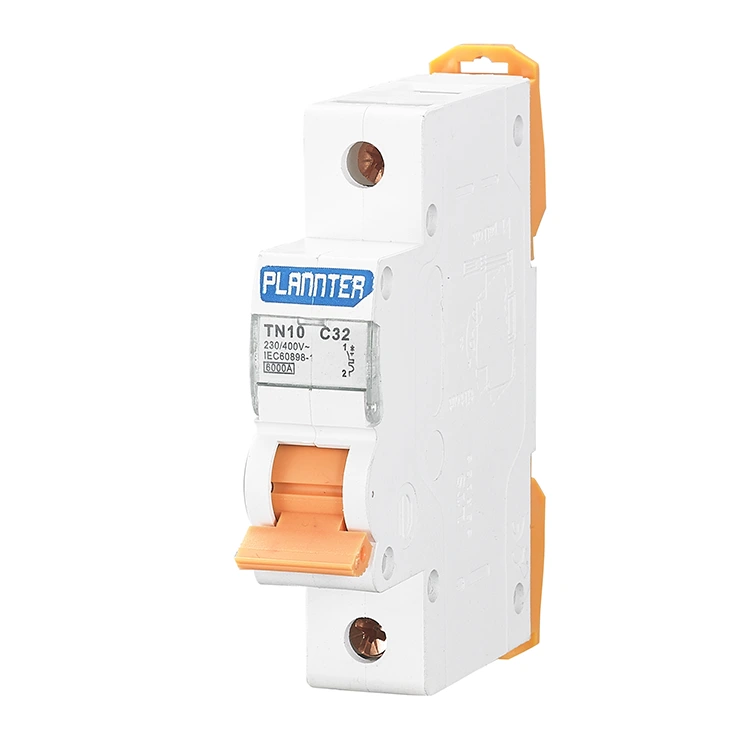
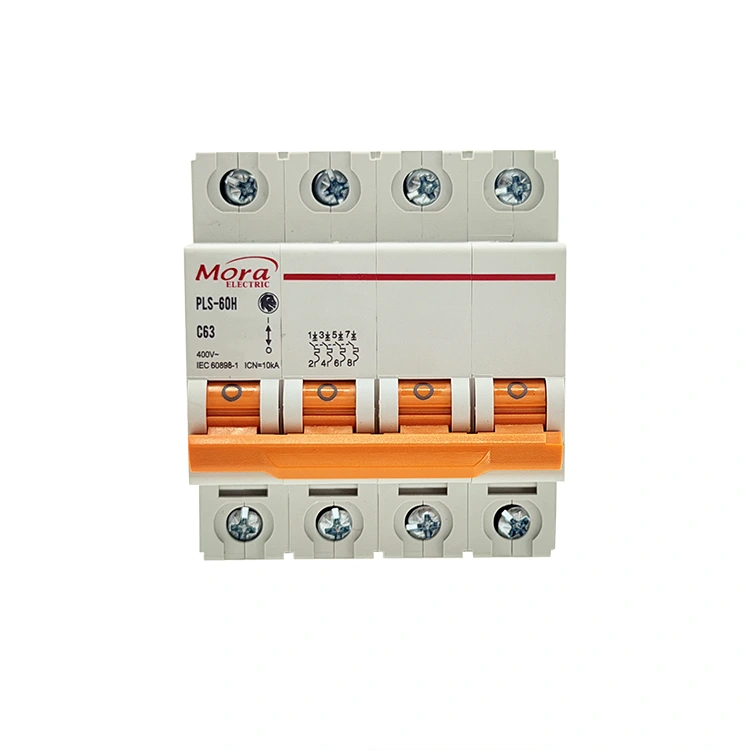
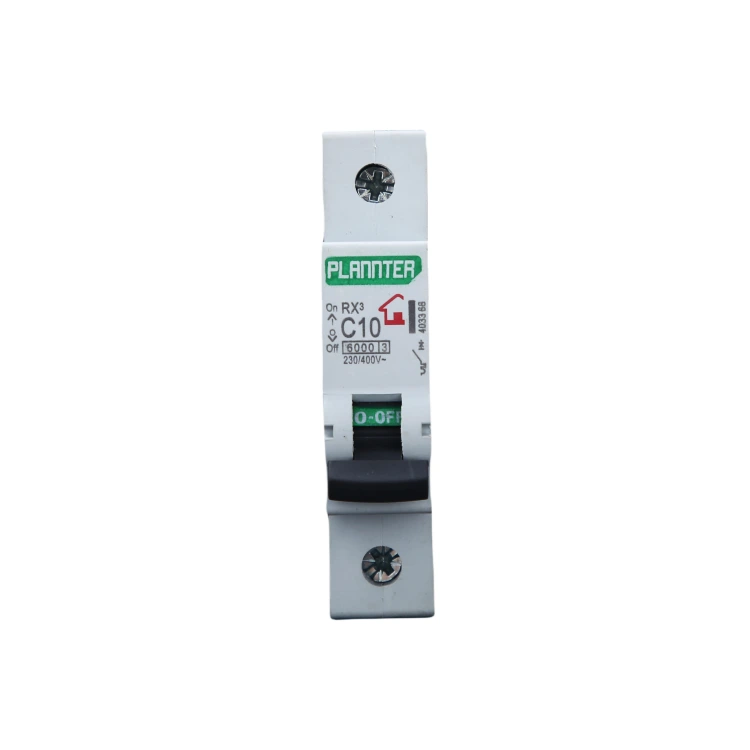
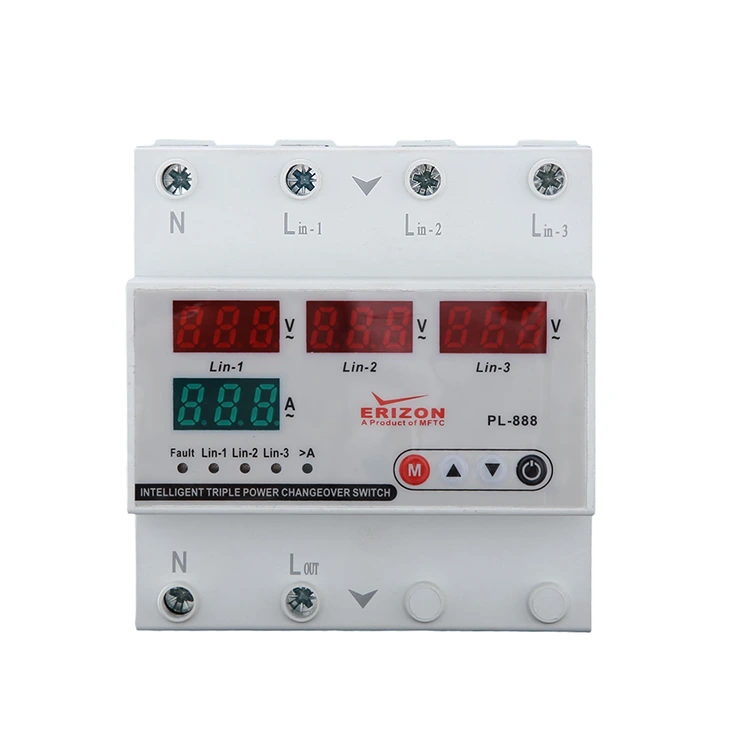
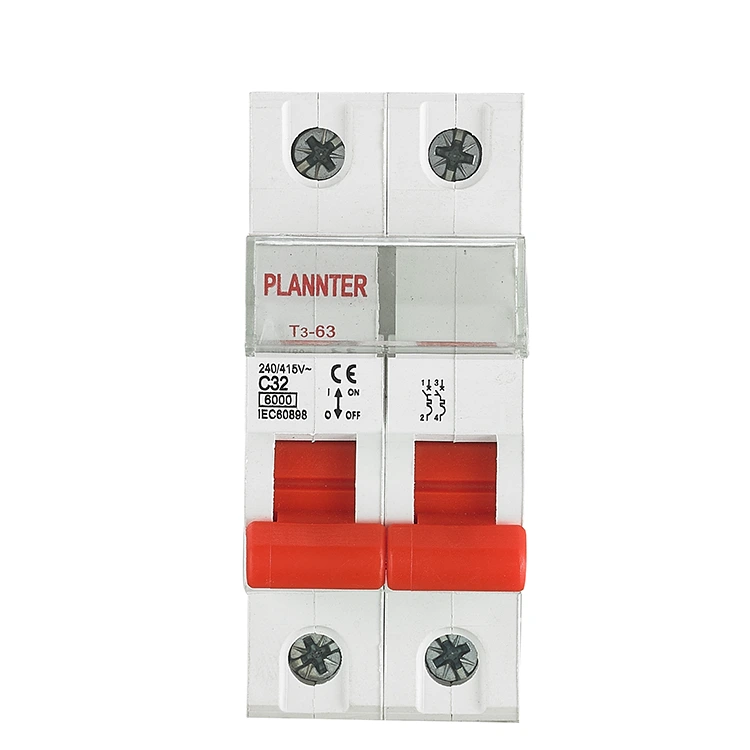
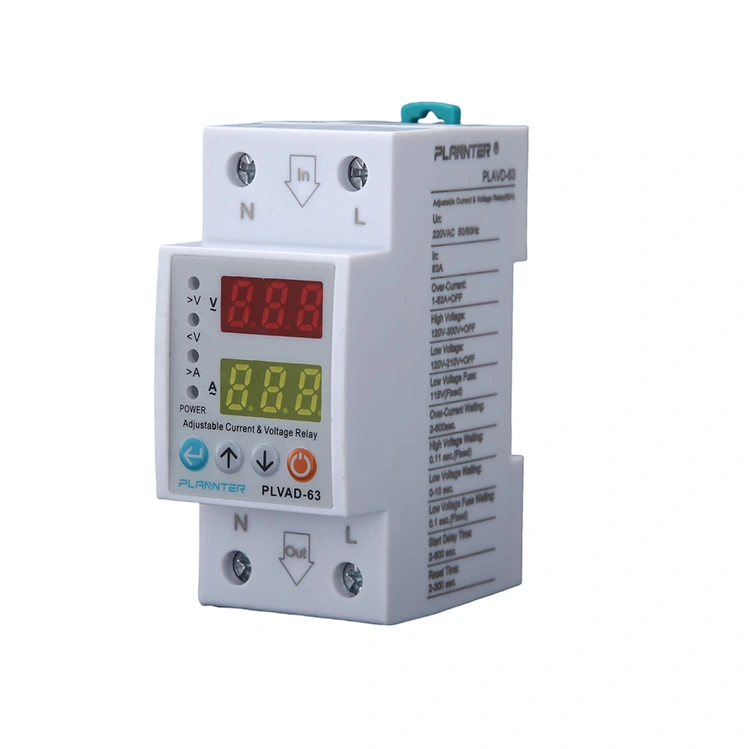
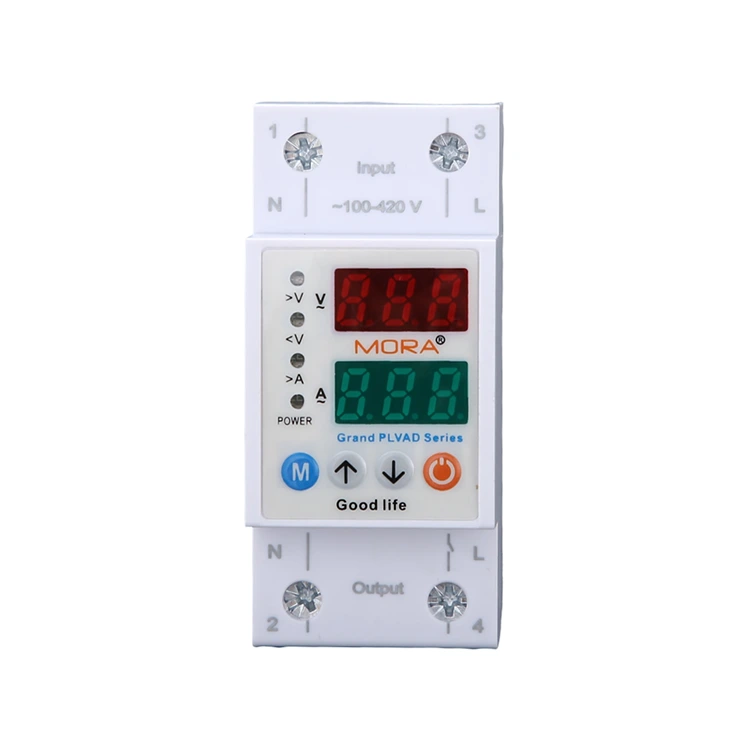
Short circuits are among the most dangerous and unpredictable faults in electrical systems. From residential distribution boards to industrial power networks, uncontrolled short-circuit currents can cause fires, equipment damage, and serious safety hazards. This is why Circuit Breakers for Short Circuit Protection play a critical role in modern electrical engineering. These devices are designed to instantly detect abnormal current surges and interrupt the circuit before catastrophic damage occurs.
In this comprehensive guide, we explore how circuit breakers protect against short circuits, what types are available, how to select the right solution, and why professional manufacturers like Yueqing Plannter Electric Factoryup Co., Ltd. are trusted by engineers worldwide.
This article provides a deep technical and practical overview of circuit breakers for short circuit protection. It explains operating principles, classification, selection criteria, compliance standards, and real-world applications.
Circuit breakers for short circuit protection are automatic switching devices designed to interrupt electrical flow when an abnormal current spike occurs due to a short circuit. Unlike overloads, short circuits involve extremely high fault currents that rise within milliseconds, requiring fast and reliable interruption.
These circuit breakers combine mechanical switching mechanisms with thermal-magnetic or electronic trip units to ensure rapid response. Their primary function is to isolate faulty sections of a circuit, protecting cables, equipment, and human life.
Short circuits can release enormous energy in a very short time. Without adequate protection, this energy can melt conductors, ignite insulation, and destroy sensitive equipment.
For industries such as manufacturing, data centers, and infrastructure projects, reliable circuit breakers for short circuit protection are not optional—they are mandatory.
Short circuit detection relies on sensing rapid and excessive current flow. Most circuit breakers use one or more of the following technologies:
| Trip Mechanism | Detection Principle | Typical Application |
|---|---|---|
| Magnetic Trip | Instant reaction to high current surge | Short circuit protection |
| Thermal Trip | Heat generated by overcurrent bends a bimetal | Overload protection |
| Electronic Trip | Current sensors with programmable logic | Advanced industrial systems |
Magnetic and electronic trips are particularly critical for short circuit scenarios, as they react within milliseconds.
Different electrical systems require different breaker designs. Common types include:
Each type offers specific breaking capacities and response characteristics tailored to different short circuit levels.
Selecting the correct circuit breaker for short circuit protection requires careful evaluation of system parameters.
Working with experienced manufacturers such as Yueqing Plannter Electric Factoryup Co., Ltd. ensures that all technical and safety considerations are addressed.
Circuit breakers must comply with international and regional standards to guarantee performance and safety.
Compliance with these standards demonstrates product reliability and supports regulatory approval in global markets.
Circuit breakers for short circuit protection are widely used across multiple sectors:
Not all circuit breakers are created equal. Design precision, material quality, and testing capabilities significantly influence performance during short circuit events. Yueqing Plannter Electric Factoryup Co., Ltd. combines manufacturing experience with strict quality control, ensuring dependable protection even under extreme fault conditions.
What is the main purpose of circuit breakers for short circuit protection?
Their main purpose is to instantly interrupt electrical current during a short circuit, preventing damage, fire hazards, and safety risks.
How are short circuits different from overloads?
Short circuits involve sudden, extremely high current caused by direct contact between conductors, while overloads are gradual overcurrent conditions.
Which circuit breaker type is best for industrial short circuit protection?
Molded Case Circuit Breakers and Air Circuit Breakers are commonly preferred due to their high breaking capacity and robustness.
Why is breaking capacity important in short circuit protection?
Breaking capacity indicates the maximum fault current a circuit breaker can safely interrupt without damage.
How does compliance with IEC or UL standards improve safety?
Standards ensure that circuit breakers have been tested under defined fault conditions, guaranteeing predictable and safe operation.
If you are looking for reliable and professionally manufactured circuit breakers for short circuit protection, partnering with an experienced supplier makes all the difference. Contact us today to discuss your project requirements and discover how Yueqing Plannter Electric Factoryup Co., Ltd. can support your electrical safety goals.