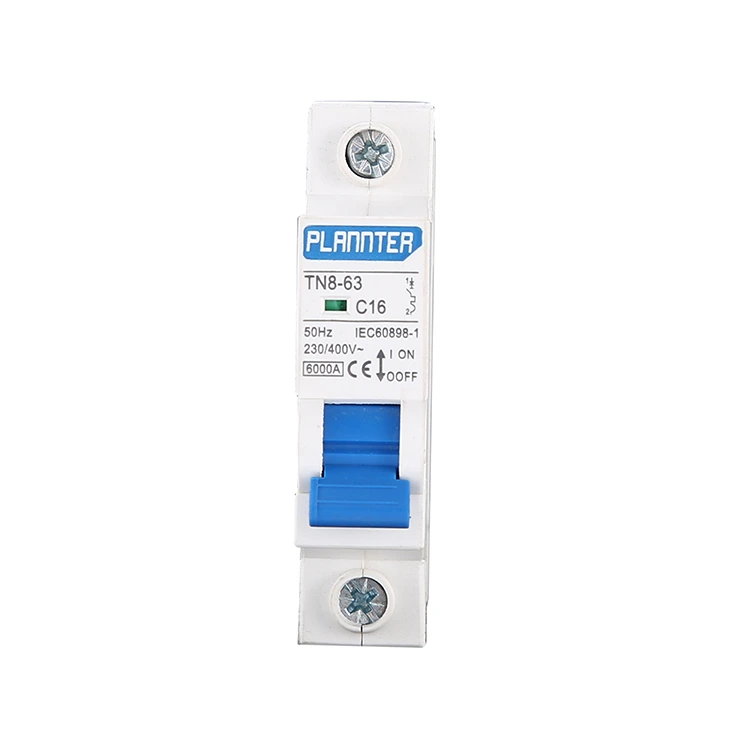
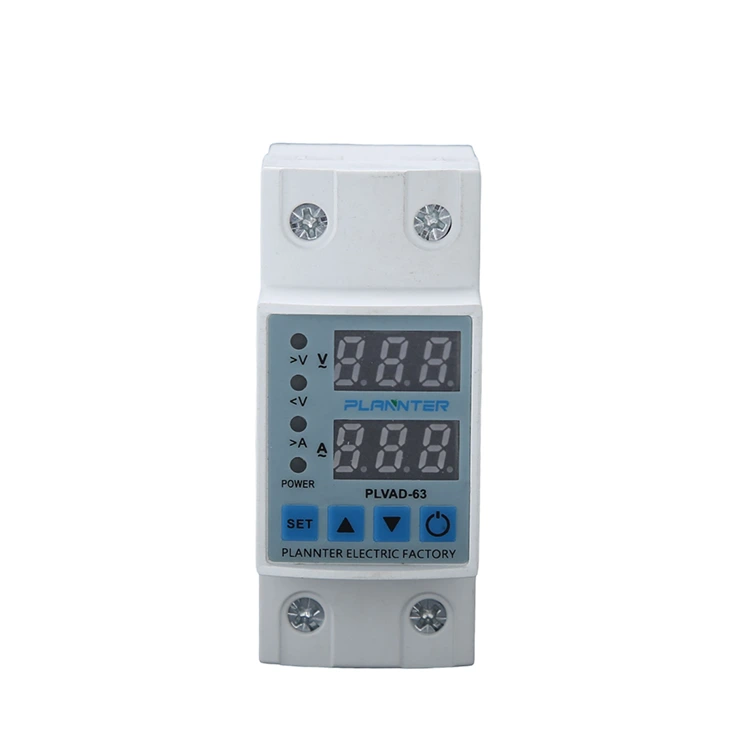
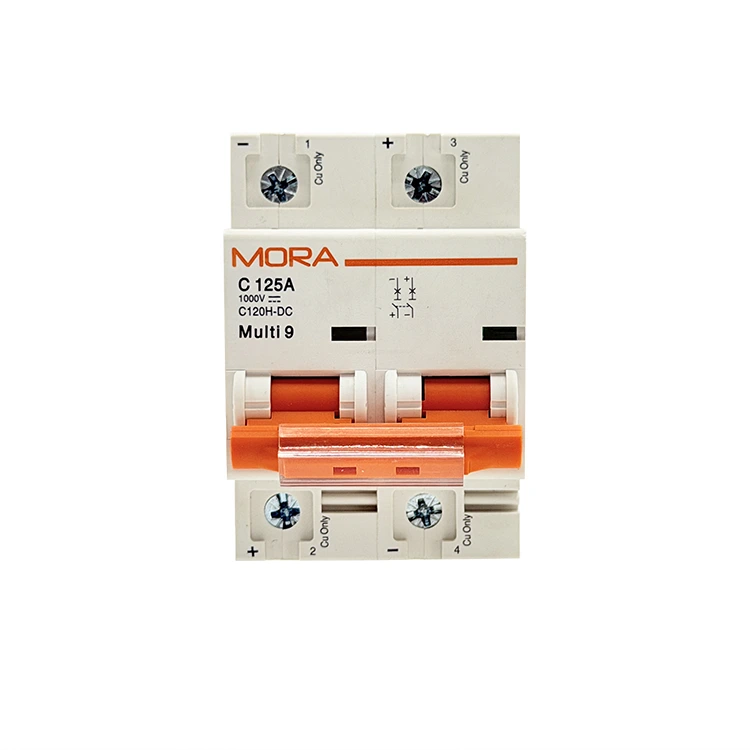
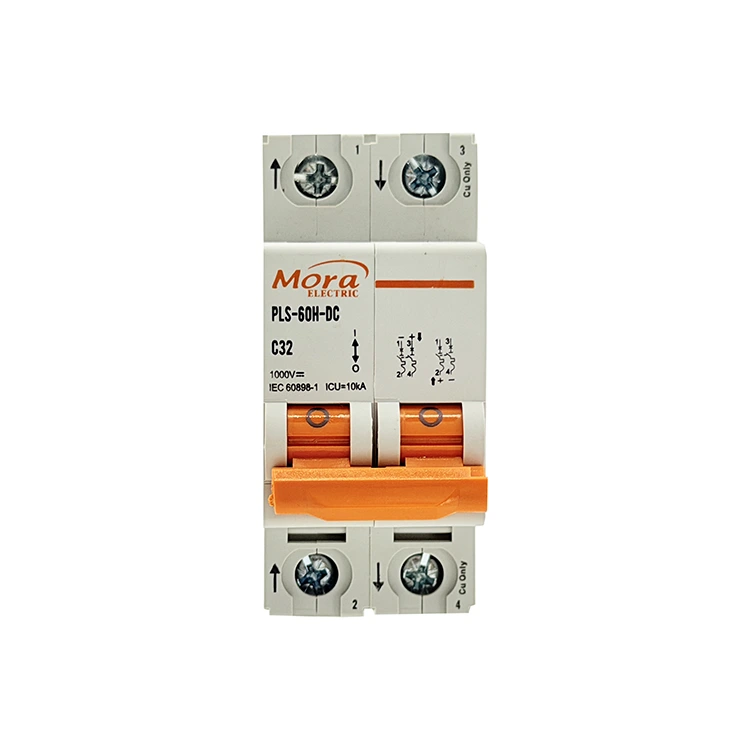
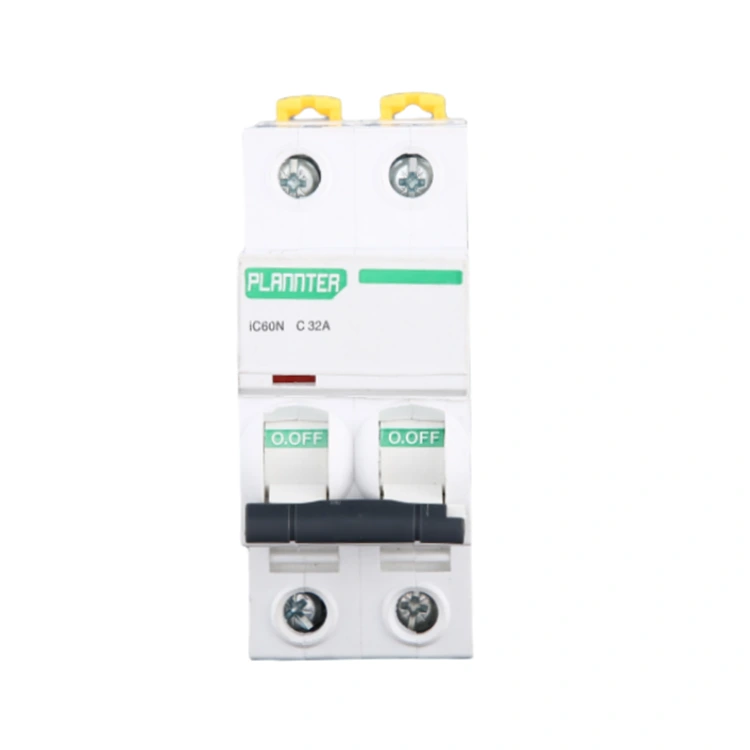
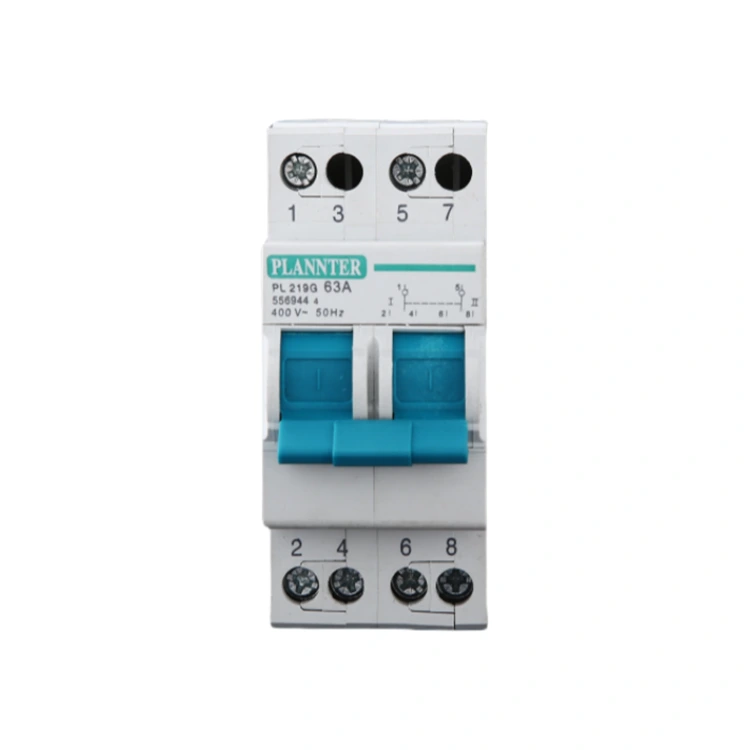
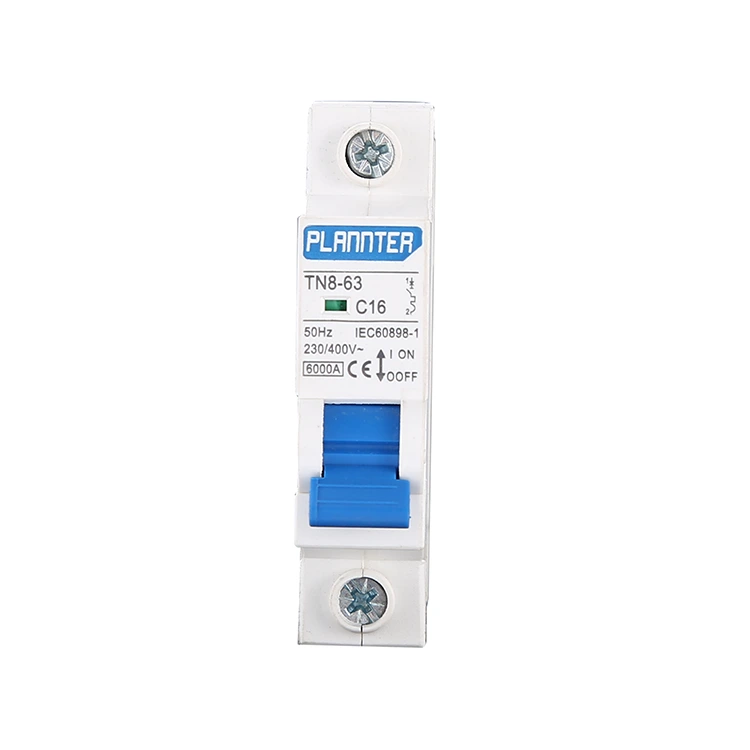
As residential electrical systems become more complex, Plastic Miniature Circuit Breakers remain an important part of circuit protection, helping manage overcurrent risks and support organized home wiring.
From kitchen appliances and home office equipment to heat pumps and electric vehicle charging, modern households are using electricity in more ways than ever. These changes are influencing how residential distribution boards are designed, how circuits are separated, and how electrical protection is planned. The challenge is not simply supplying more power, but ensuring that wiring and protective devices are appropriate for the loads they serve.
Electrical wiring is designed to carry a specific range of current under defined installation conditions. When current exceeds the permitted level, conductors can overheat, potentially damaging insulation and increasing fire risk.
Overloads can develop when too many appliances operate on one circuit or when equipment draws more current than the circuit was designed to carry. Short circuits create a different but potentially more severe condition, allowing a large current to flow through an unintended path.
Circuit breakers help address these risks by interrupting current when specified operating conditions are exceeded. Unlike a fuse, a resettable circuit breaker can generally be returned to service after the cause of a trip has been identified and corrected.
This does not mean that every electrical fault can be prevented by a standard breaker alone. Ground-fault protection, arc-fault protection, surge protection, and appropriate grounding serve different purposes and may also be required, depending on the installation and local electrical codes.
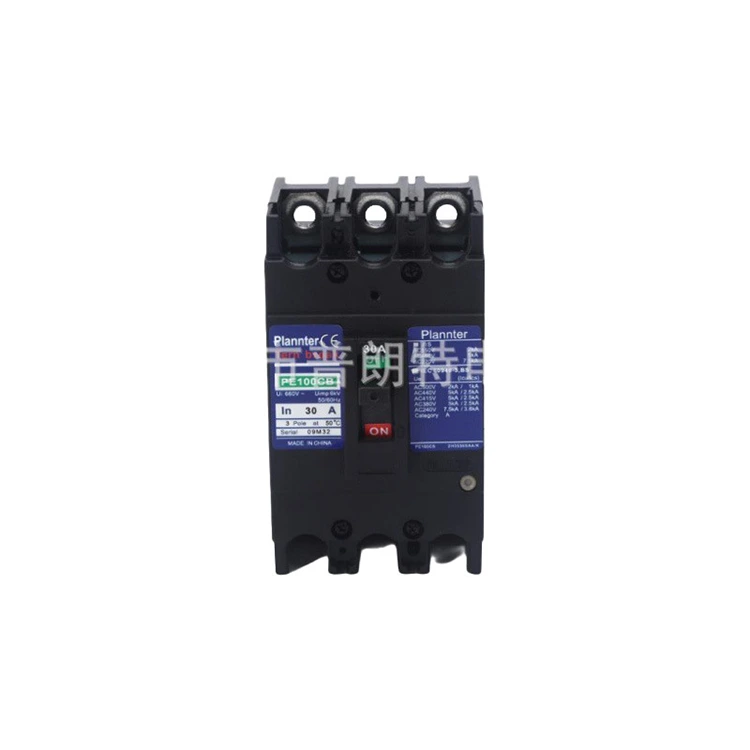
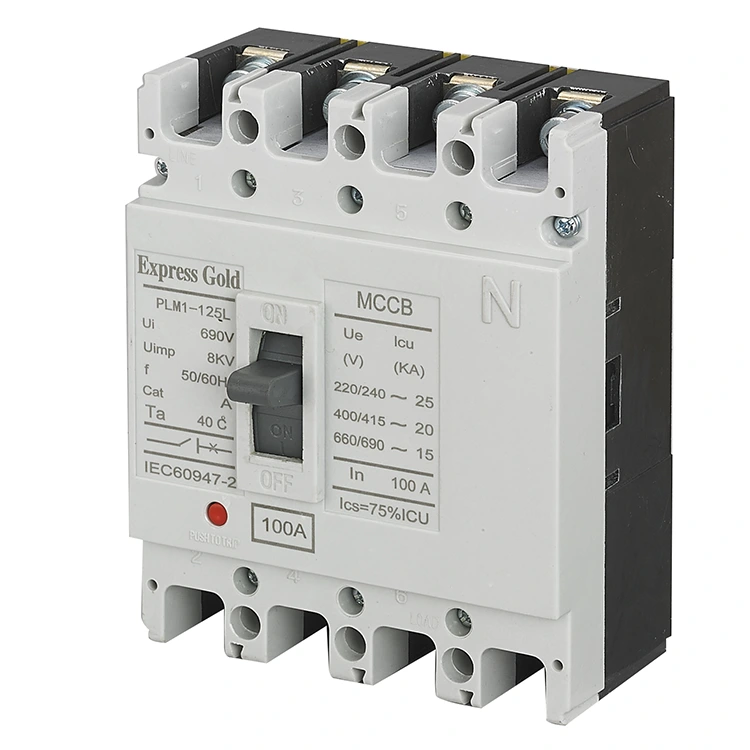
Miniature circuit breakers are commonly installed in distribution boards to protect individual branch circuits. The plastic housing provides electrical insulation around internal components, while the switching mechanism and contacts perform the circuit interruption function.
The housing material is only one part of the safety design. Its thermal properties, flame resistance, mechanical strength, dimensional consistency, and compatibility with the internal components all affect product performance.
Compact construction also helps organize multiple circuits within a limited panel space. This becomes increasingly relevant as residential installations accommodate additional appliances, monitoring devices, and energy management equipment.
| Design Consideration | Relevance to Home Wiring |
|---|---|
| Insulating housing | Separates accessible external surfaces from internal live components |
| Thermal performance | Helps the enclosure withstand expected operating temperatures |
| Contact and mechanism design | Influences switching performance and interruption behavior |
| Rated current | Must suit the protected circuit and conductor capacity |
| Breaking capacity | Must be adequate for the prospective short-circuit current |
| Installation compatibility | Supports correct mounting and electrical connection |
These characteristics should be assessed together. A compact enclosure alone does not establish whether a breaker is suitable for a particular circuit.
Consider a kitchen where a kettle, microwave, toaster, and other appliances operate at the same time. If their combined demand exceeds the circuit's permitted capacity, the breaker may trip.
The interruption can be inconvenient, but it also signals that the circuit has experienced an abnormal operating condition. The correct response is to identify the cause rather than repeatedly reset the device.
Several issues may contribute to repeated tripping:
A breaker should never be replaced with a higher-current model simply to stop nuisance tripping. The replacement must be compatible with the wiring, circuit design, and applicable protection requirements.
Residential electrification is changing the demands placed on existing electrical infrastructure. Heat pumps, electric vehicle chargers, induction cooking, and battery storage can introduce substantial additional loads.
In June 2026, ABB highlighted load management, circuit protection, modular installation, and changing residential electrification requirements as important considerations in electrical design. These developments show why circuit planning needs to account for both current demand and potential future additions.
The 2026 edition of the US National Electrical Code also addresses evolving electrical installation requirements and energy management systems. Its provisions are relevant to installations governed by that code, although local adoption and applicable requirements vary by jurisdiction.
As household demand grows, an existing distribution board may require a professional assessment before new equipment is connected. Adding more breakers does not automatically increase the capacity of the incoming supply, busbars, or existing wiring.
Plastic is widely used in electrical equipment housings because suitable engineering polymers can provide insulation, dimensional stability, and resistance to heat. However, not all plastics have the same performance characteristics.
The choice of material must account for the operating temperature, expected mechanical stress, manufacturing process, and relevant product standards. The enclosure also needs to retain its intended properties throughout normal service conditions.
Manufacturing consistency is equally important. Variations in molded dimensions can affect assembly fit, while inconsistencies in internal component positioning may influence the operation of the switching mechanism.
Quality control therefore extends beyond checking the external appearance. Relevant checks may include dimensional inspection, mechanical operation, electrical performance, temperature-rise testing, and verification against applicable product standards.
The precise test program depends on the product design and the standards under which the breaker is evaluated.
Selecting a breaker requires matching the device to the electrical installation rather than choosing by size or appearance alone.
Rated current and conductor capacity: The selected rating must protect the installed conductors under the applicable design conditions.
Rated voltage and frequency: The device must be suitable for the electrical system in which it will operate.
Breaking capacity: The rated ability to interrupt short-circuit current must meet the installation's requirements.
Pole configuration: The number of poles and the switching arrangement must match the circuit design. A single-pole device is not automatically suitable for every supply configuration.
Applicable standards: Product markings, test documentation, and certification should be checked against the requirements of the intended market.
Panel compatibility: Mounting arrangements, terminal connections, clearances, and enclosure requirements need to be considered before installation.
These checks are especially important when upgrading older homes. Existing wiring, available supply capacity, and the condition of the distribution board may limit which improvements can be made safely.
Effective electrical protection depends on several measures working together. Correct cable sizing, secure terminations, suitable protective devices, proper grounding, and compliance with local electrical codes all contribute to safer operation.
A miniature circuit breaker cannot compensate for poor wiring practices or replace every other form of electrical protection. Nor does a tripped breaker always indicate that the device itself is defective. The underlying cause needs to be investigated before the circuit is returned to service.
For homeowners, the most useful step is to arrange qualified electrical inspection when circuits trip repeatedly, wiring shows signs of damage, or new high-demand equipment is planned.
As residential buildings incorporate more electrical appliances and energy technologies, the fundamentals of circuit protection remain unchanged: electrical loads must be properly assessed, conductors must be adequately protected, and protective equipment must be suitable for the installation.
Plastic Miniature Circuit Breakers continue to serve an important function in many low-voltage distribution systems, combining compact construction with overcurrent protection. Their effectiveness depends on appropriate product design, consistent manufacturing controls, correct selection, and proper installation.
For Zhejiang Pugao Electric Power Co., Ltd. (Pugao), whose low-voltage electrical product range includes circuit protection and power distribution equipment, these principles form part of the wider technical context surrounding residential electrical safety. As home wiring requirements evolve, the most important consideration remains the safe coordination of every component within the electrical system.