Products
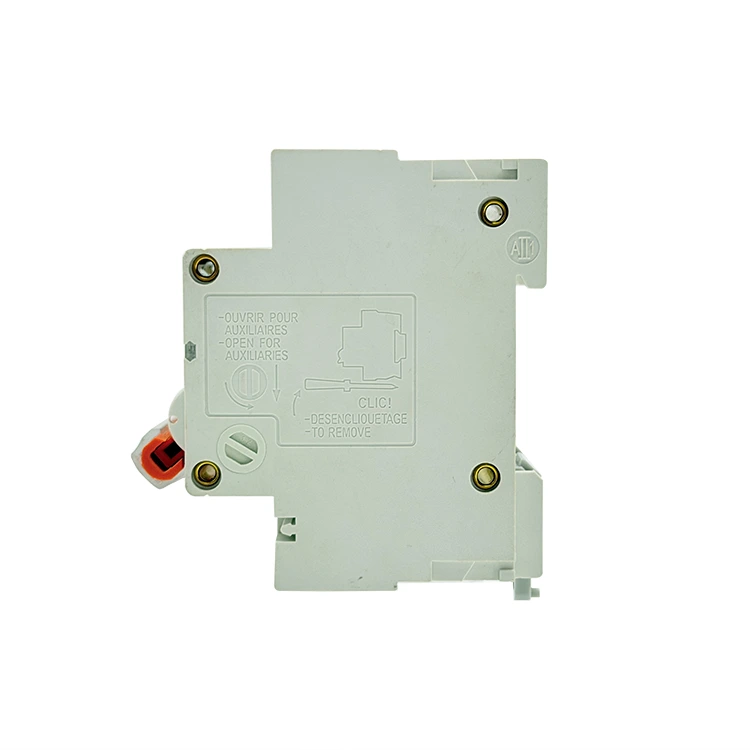
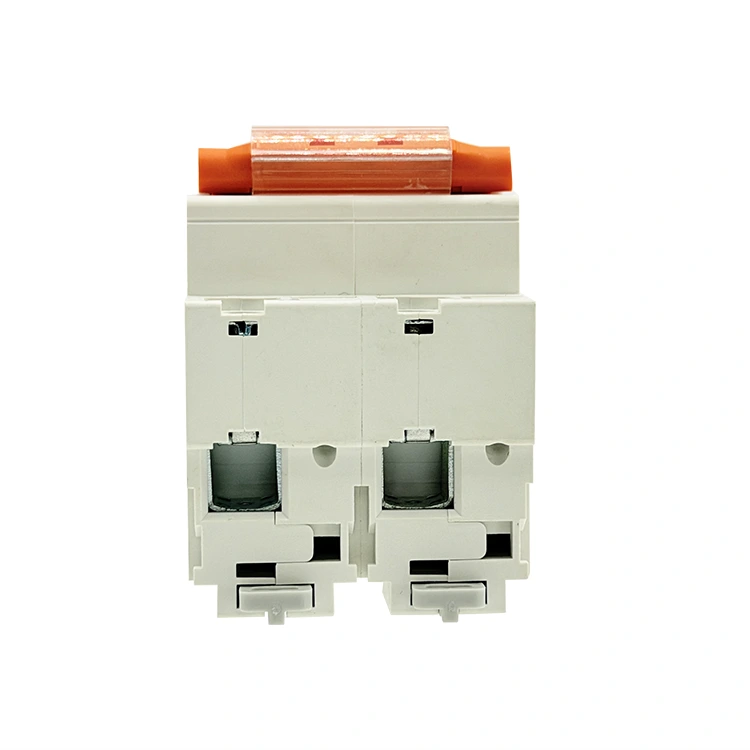
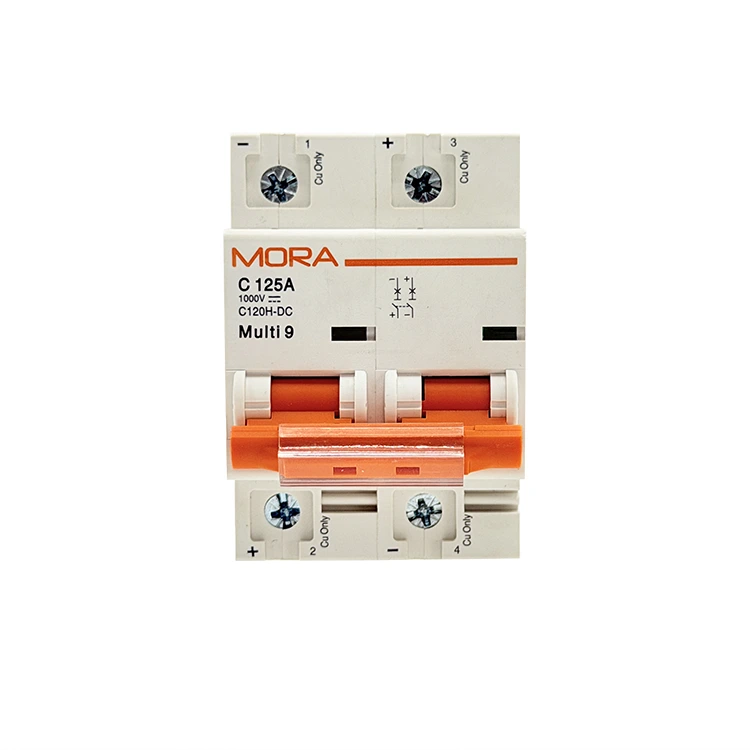
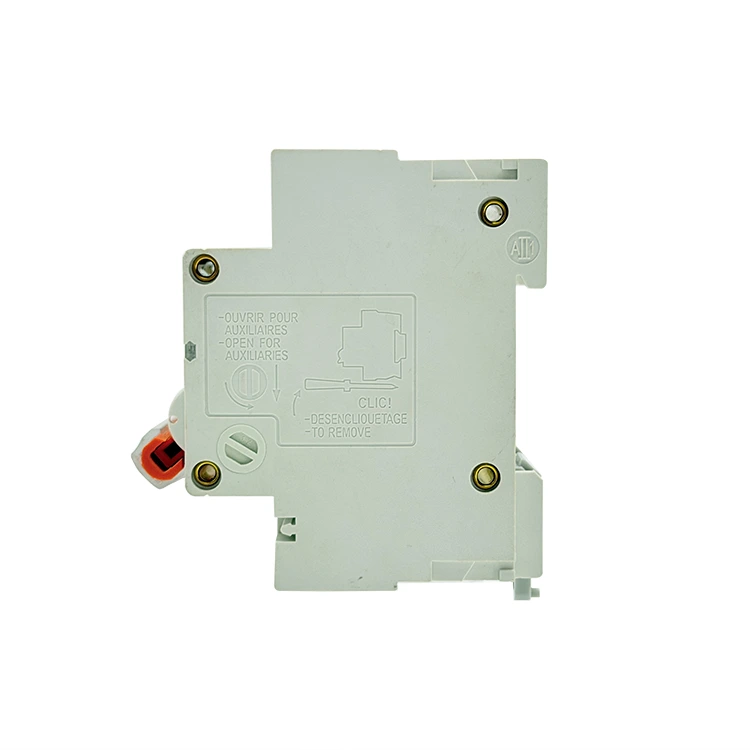
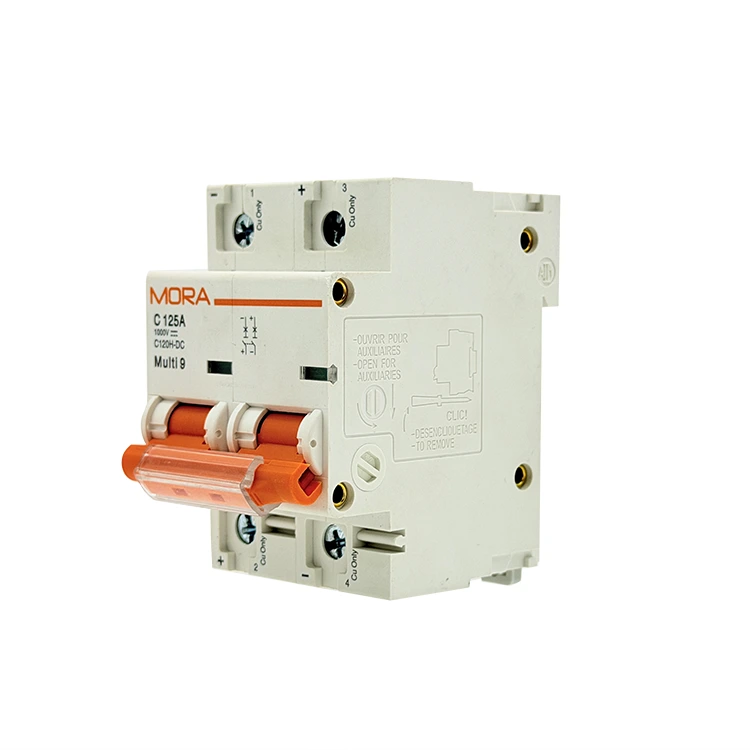
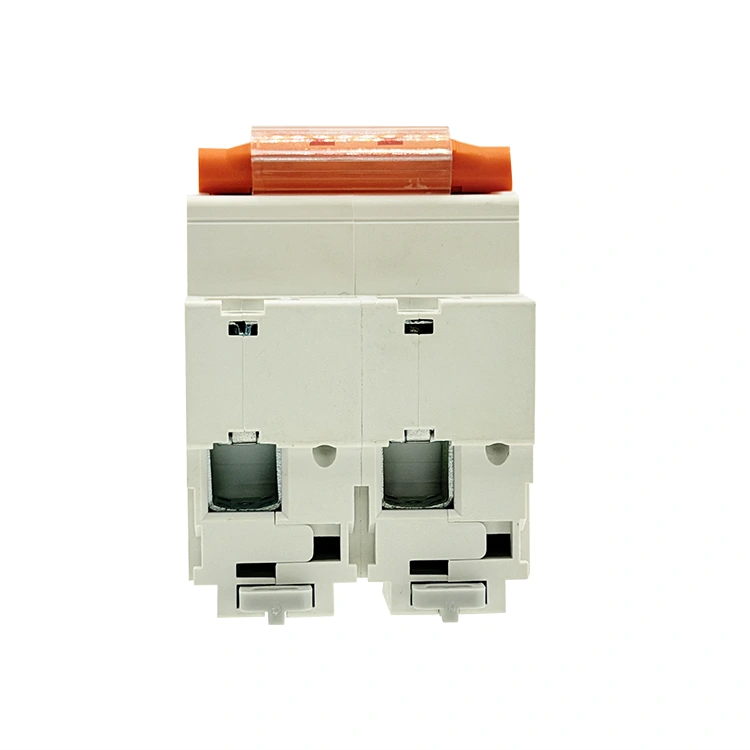
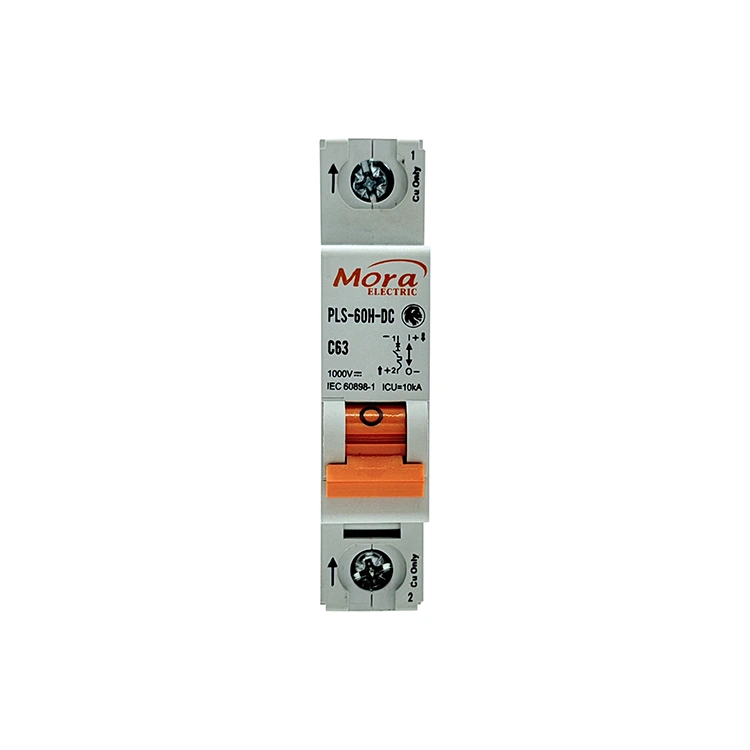
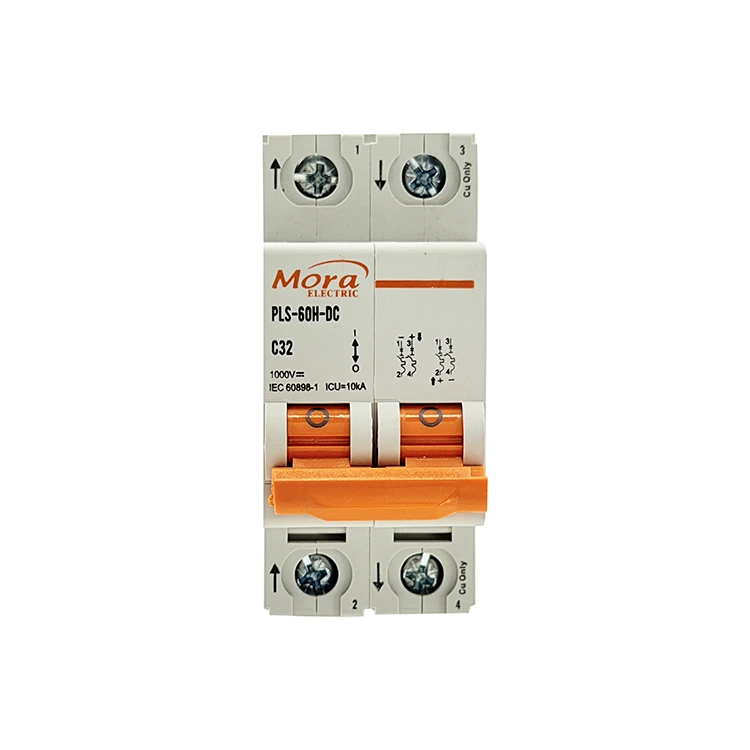
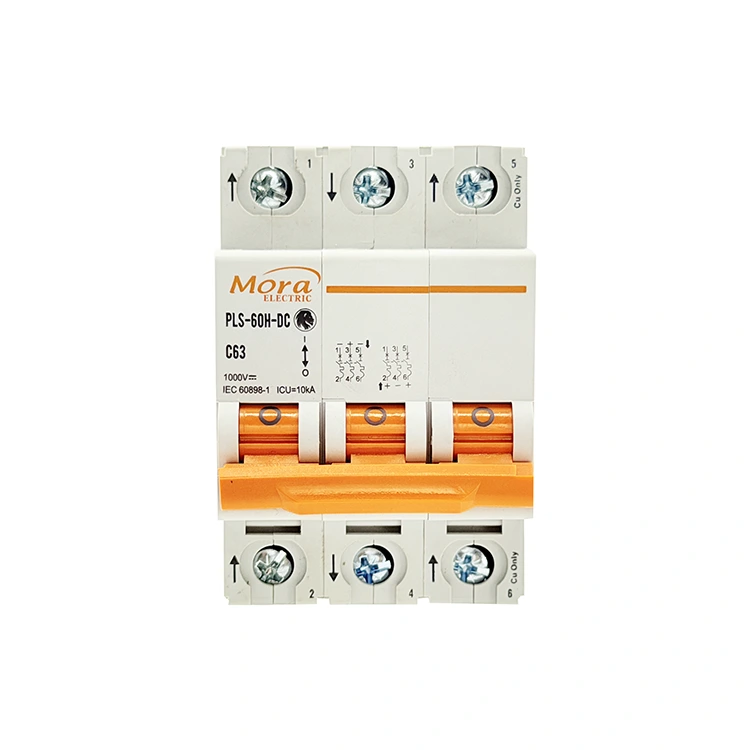
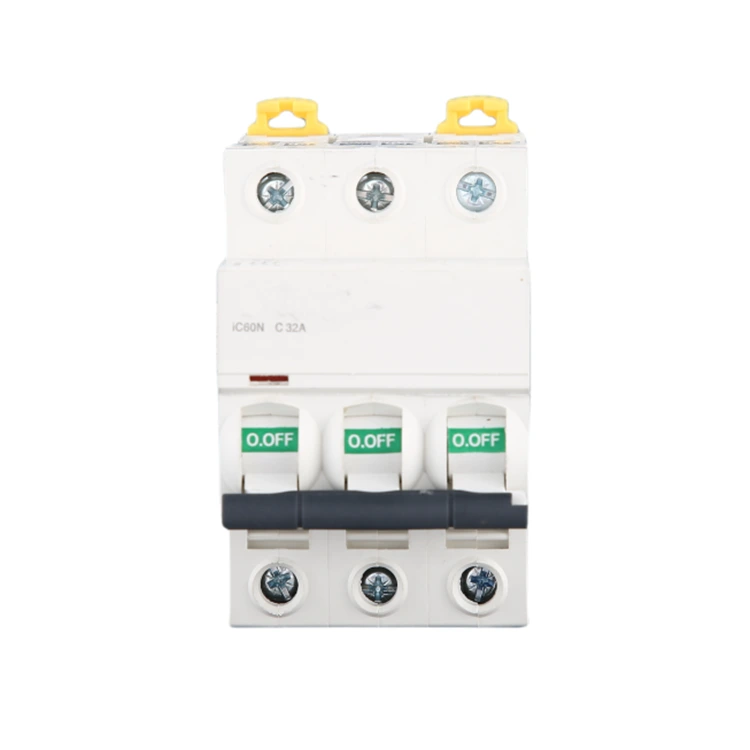
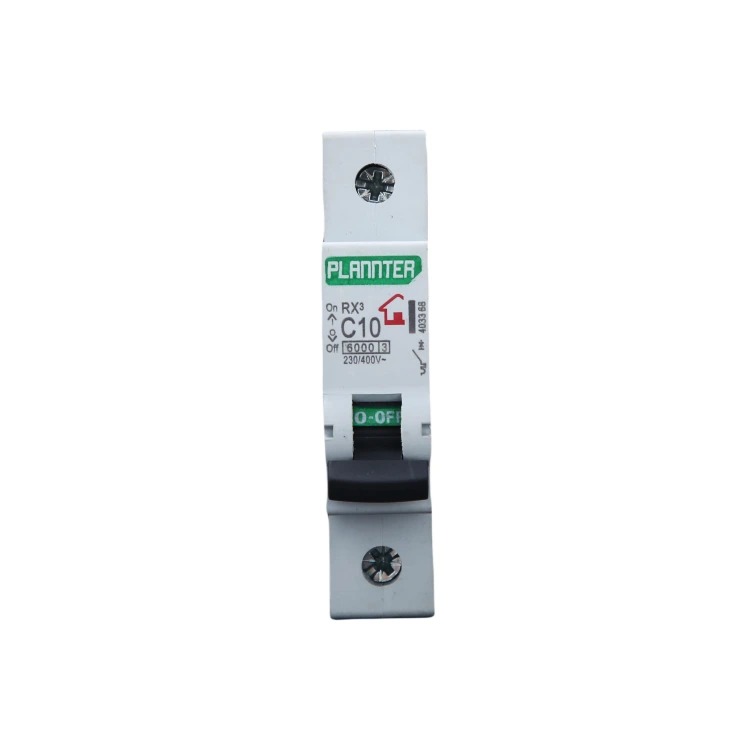
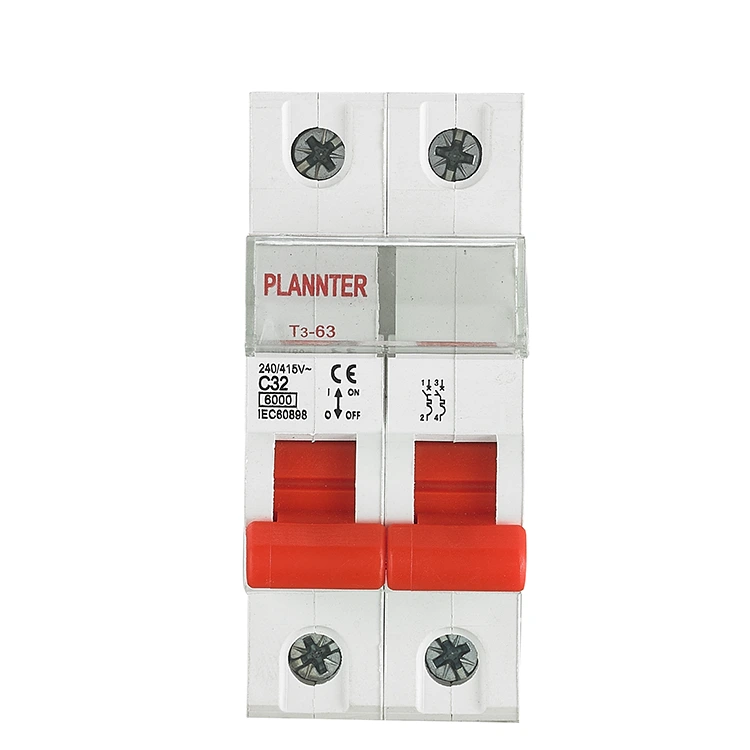
NC Series 2P DC Miniature Circuit Breaker
  • NC Series 2P DC Miniature Circuit BreakerNC Series 2P DC Miniature Circuit Breaker
  • NC Series 2P DC Miniature Circuit BreakerNC Series 2P DC Miniature Circuit Breaker
  • NC Series 2P DC Miniature Circuit BreakerNC Series 2P DC Miniature Circuit Breaker
  • NC Series 2P DC Miniature Circuit BreakerNC Series 2P DC Miniature Circuit Breaker

NC Series 2P DC Miniature Circuit Breaker

PUGAO (Mora), a professional factory in China, is a good choice for you to buy NC Series 2P DC Miniature Circuit Breaker units. Designed specifically for next-generation solar arrays and battery networks, these premium units provide precise thermal-magnetic isolation for mid-voltage DC systems up to 600V.

As an advanced NC Series 2P DC Miniature Circuit Breaker factory based in China, PUGAO (Mora) produces high-performance two-pole protective switches featuring enhanced breaking capacities and a streamlined modular frame. Every unit utilizes automated spot-welding and optimized dual permanent-magnet arc runners to safeguard critical telecom, energy storage, and commercial solar infrastructure.


What Makes the NC Series Different from Standard DC Breakers?

Industrial DC grids are evolving rapidly, moving toward higher energy densities and tighter cabinet configurations. While traditional residential-grade breakers compromise on thermal dissipation when shrunken down, the NC Series 2P DC Miniature Circuit Breaker features a redesigned internal structural architecture built explicitly for high-reliability commercial operations.

By integrating dual-pole physical isolation into a space-saving modular chassis, the NC Series minimizes faceplate real estate inside distribution boards while expanding internal creepage distances—the shortest path along the surface of an insulating material between two conductive parts—to prevent localized tracking faults.

High-Density Solar Combiner Hubs

Modern solar setups require compact components to fit more string inputs into smaller outdoor enclosures. The NC Series allows clean side-by-side array clustering, managing both the positive and negative return rails of a 600V DC string within a compact housing profile without sacrificing side-clearance ventilation.

Centralized Telecom Battery Banks

With communications systems running on stabilized low-to-medium voltage battery backups, clearing a fault without dropping the entire rack is vital. This miniature circuit breaker provides independent branch circuit protection, isolating single battery strings or charging modules instantly while adjacent operations remain live.


NC Series 2P DC Miniature Circuit BreakerNC Series 2P DC Miniature Circuit Breaker


Material Specifications

The following engineering matrix represents the baseline operating parameters verified across our automated factory testing lines:

Technical Attribute

Stamped Operating Value

Engineering Relevance

Rated Operating Voltage

12V DC up to 600V DC

Covering standard 24V/48V telecom and 600V solar loops.

Rated Current Breadth

1A, 2A, 3A, 4A, 6A, 10A, 16A, 20A, 25A, 32A, 40A, 50A, 63A

Includes low-amp choices for precision sensor protection.

Ultimate Breaking Capacity

10,000 Amperes (10kA)

Upgraded high-fault interruption rating for battery loops.

Enclosure Composition

Reinvented PA66 (UL94 V-0 Rated)

Enhanced impact resistance; zero flame support up to 960°C.

Contact Assembly

High-Grade Silver-Nickel

Selected for rapid heat shedding and low contact erosion.

Terminal Port Setup

Serrated Tunnel-Type Copper Clamps

Maximizes conductor grip; handles up to 2.5 Nm torque.

Response Profiles

B-Type & C-Type

Fine-tuned for quick-acting electronics or standard line surges.


How Does the NC Series Achieve a 10kA Breaking Capacity?

1. Dual-Force Magnetic Blowout Channels

At higher voltages up to 600V DC, drawing an electrical arc can easily turn into a sustained arc plasma event that completely melts standard circuit breaker contacts. The NC Series 2P DC Miniature Circuit Breaker combats this with dual high-strength permanent magnets embedded on either side of each contact path. When the contacts pull apart, these magnets create a directional magnetic field that instantly stretches the arc, forcing it off the silver pads and blowing it into a heavy-duty 11-plate steel arc chute where it is split and cooled within 4.5 milliseconds.

2. High-Speed Mechanical Trip Cross-Linkage

Splitting the positive and negative rails across two distinct poles means both paths must open at exactly the same time. The NC Series utilizes a internal cross-linkage trip bar that locks both mechanical mechanisms together. If an overcurrent fault occurs on the positive side, the internal bar mechanically trips the negative pole at the exact same instant, providing complete galvanic isolation and preventing dangerous voltage back-feeding.

3. Automated Laser Spot-Welding and Calibration

Manual component assembly introduces structural variations that can cause uneven internal resistance between the two poles. PUGAO (Mora) eliminates this human variable by manufacturing the NC Series on a fully automated micro-breaker production line. Advanced laser spot-welding machines lock the copper shunts, bimetals, and magnetic coils into precise geometric alignment, ensuring balanced internal resistances and matching trip curves across every production lot.


Field Installation Protocol

1. Verify Zero Voltage: De-energize Loop. Open all upstream solar disconnect switches or battery isolation links. Use a digital multimeter to test both the positive and negative incoming cables, confirming that 0V is present before inserting the wires into the terminal ports.

2. Snap Onto the DIN Rail: Rail Attachment. Hook the upper rear bracket of the NC Series frame over a standard 35mm DIN rail. Press down firmly on the lower edge of the casing until the spring-loaded plastic slider snaps tightly into position against the rail.

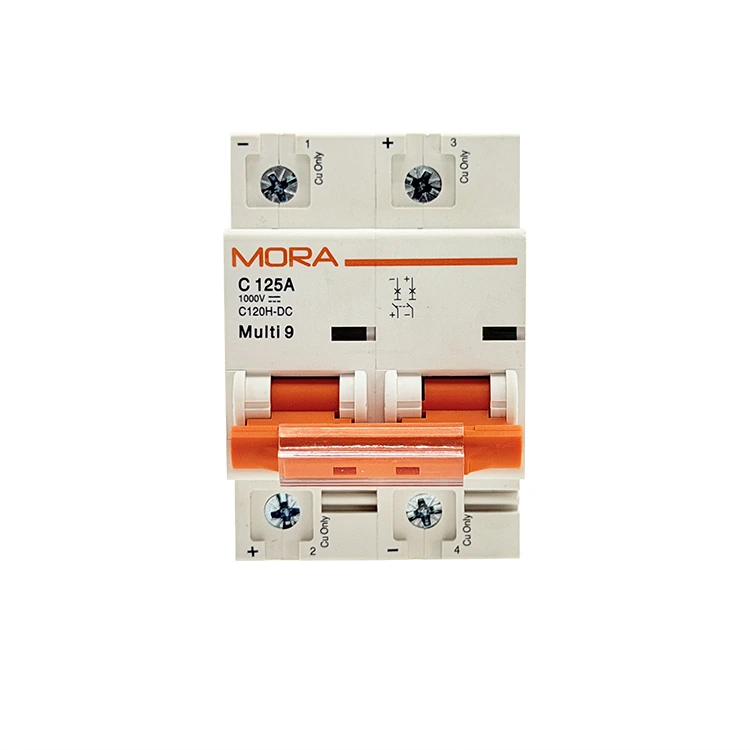
3. Align the Polarity Markers: Polarity Match. Examine the (+) and (-) symbols stamped on the front face of the NC Series 2P DC Miniature Circuit Breaker. Connect your incoming positive cable to the top of Pole 1 (marked positive) and your incoming negative cable to the top of Pole 2 (marked negative). Warning: Reversing this layout prevents the internal magnets from pushing the arc into the cooling chutes.

4. Torque Terminal Screws: Secure Connection. Insert the cleanly stripped copper wire cores fully into the serrated tunnel clamps. Using a calibrated torque screwdriver, tighten the terminal screws to 2.0–2.5 Nm. Loose terminal connections generate localized heat that leads to premature thermal tripping.


NC Series 2P DC Miniature Circuit BreakerNC Series 2P DC Miniature Circuit Breaker


Application FAQ

What makes the NC Series 10kA breaking capacity safer than standard 6kA alternatives for battery systems?

Battery banks can deliver massive short-circuit currents within milliseconds during a direct fault. A breaker rated for only 6kA can experience contact welding or housing rupture if the fault energy exceeds its mechanical limits. The upgraded 10kA rating of the NC Series 2P DC Miniature Circuit Breaker ensures it can safely clear these severe, high-energy battery short circuits without destroying the breaker housing or damaging nearby components.

Can the NC Series 2P breaker be wired in a series loop to handle higher DC voltages?

Yes. If your system voltage exceeds the single-pole rating, you can run the positive conductor through both poles in series (entering the top of Pole 1, jumping from the bottom of Pole 1 to the top of Pole 2, and exiting the bottom of Pole 2). This splits the total voltage across two separate arc chambers, allowing the breaker to safely manage higher overall voltages.

How should design engineers account for high ambient heat inside sealed outdoor enclosures?

The internal bimetallic strips are calibrated at a factory standard baseline of 30°C. When mounted inside an unventilated outdoor combiner box where ambient heat and direct sunlight drive internal temperatures up to 55°C, the bimetallic elements pre-expand. This lowers the actual thermal trip point to roughly 83% to 85% of its rated current. To prevent nuisance tripping, engineers should either integrate passive cooling louvers or size up the breaker rating by applying standard thermal derating tables.

Hot Tags: NC Series 2P DC Miniature Circuit Breaker
Send Inquiry
Contact Info
For inquiries about mini circuit breaker, voltage protector, changeover switch or price list, please leave your email to us and we will be in touch within 24 hours.
X
We use cookies to offer you a better browsing experience, analyze site traffic and personalize content. By using this site, you agree to our use of cookies.Privacy Policy
RejectAccept