Products
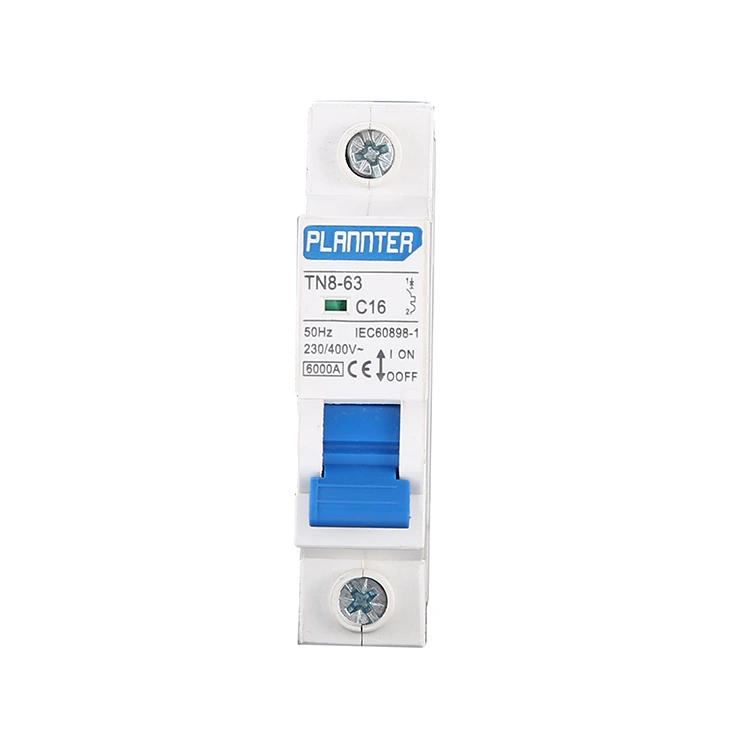
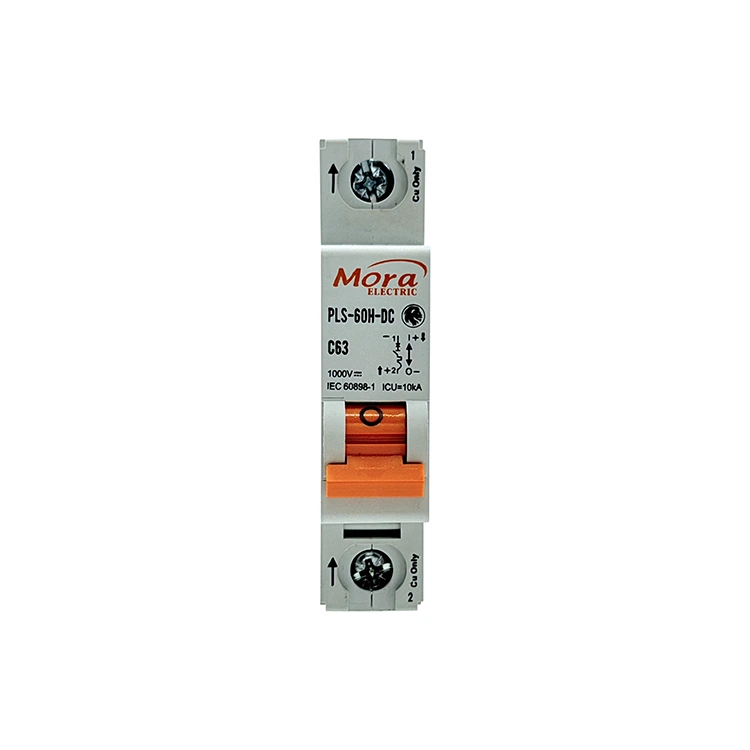
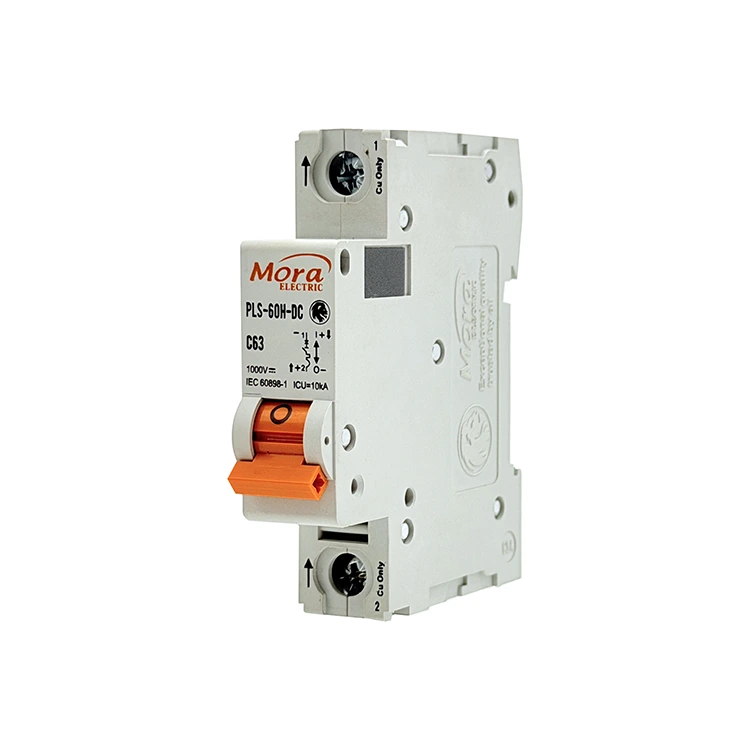
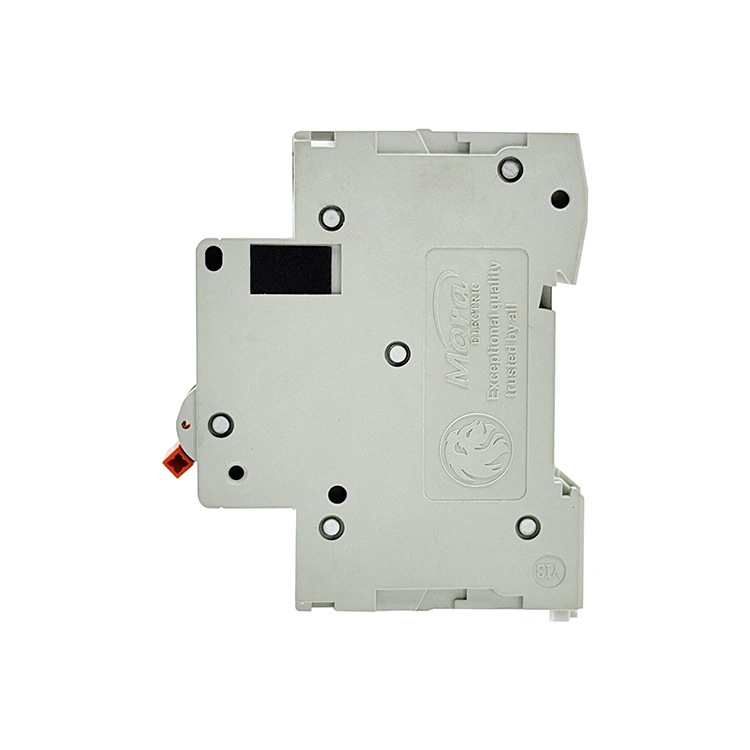
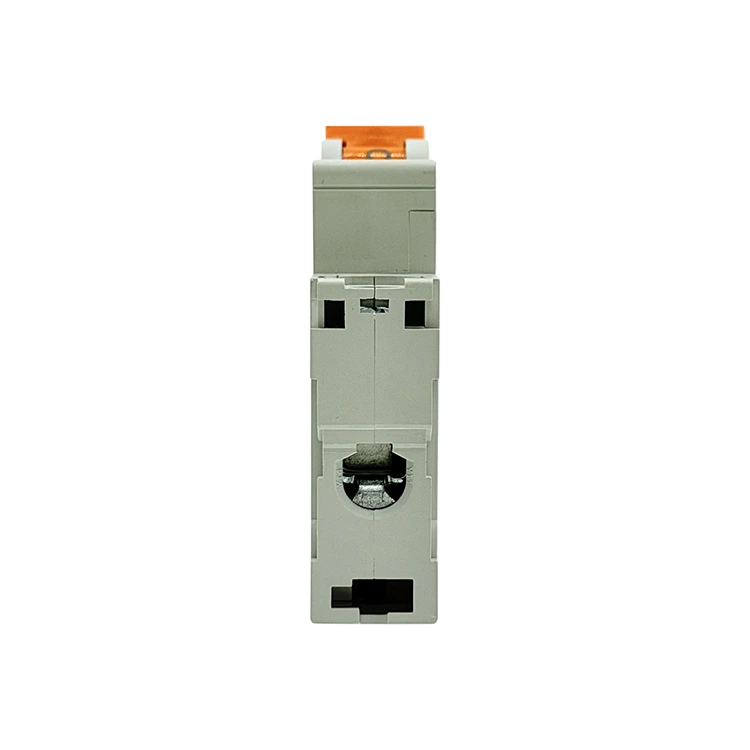
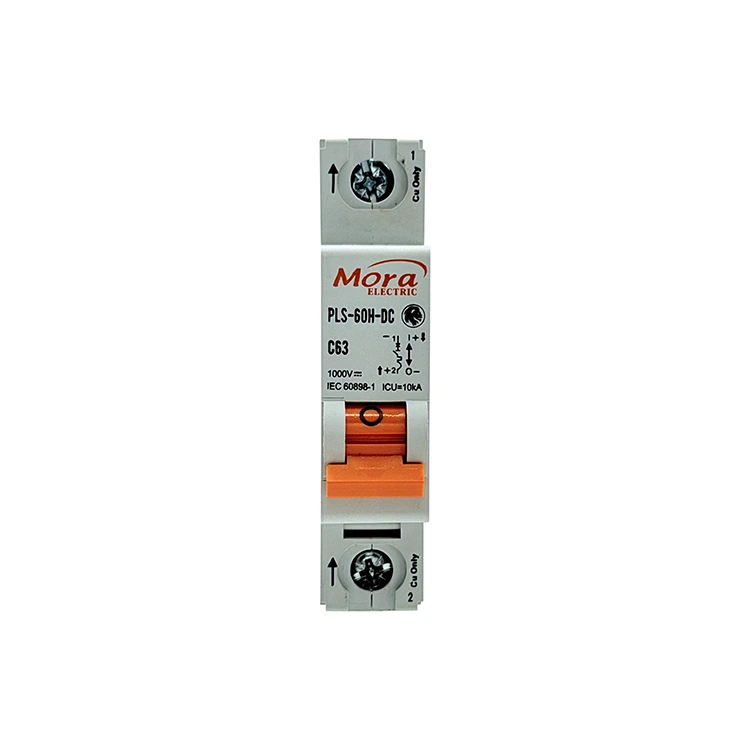
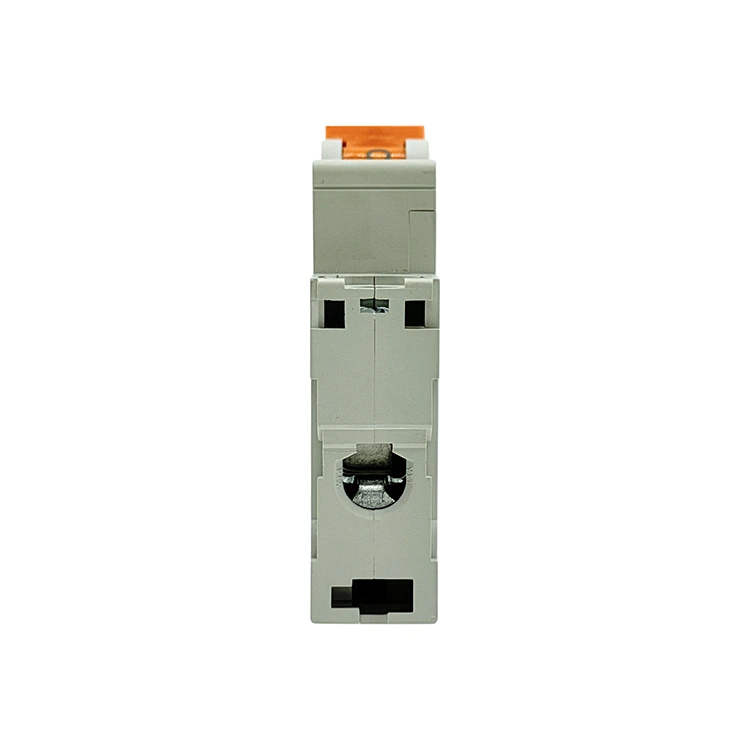
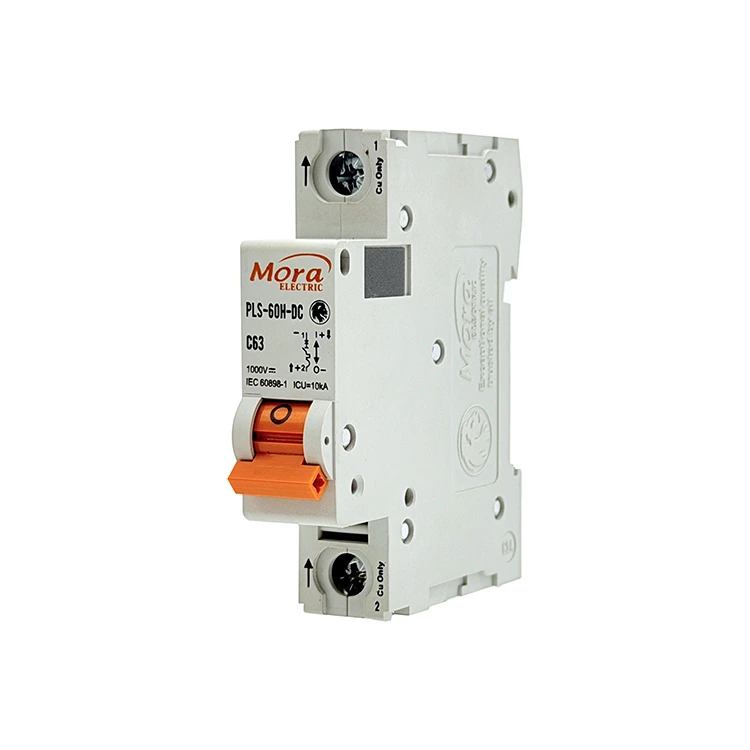
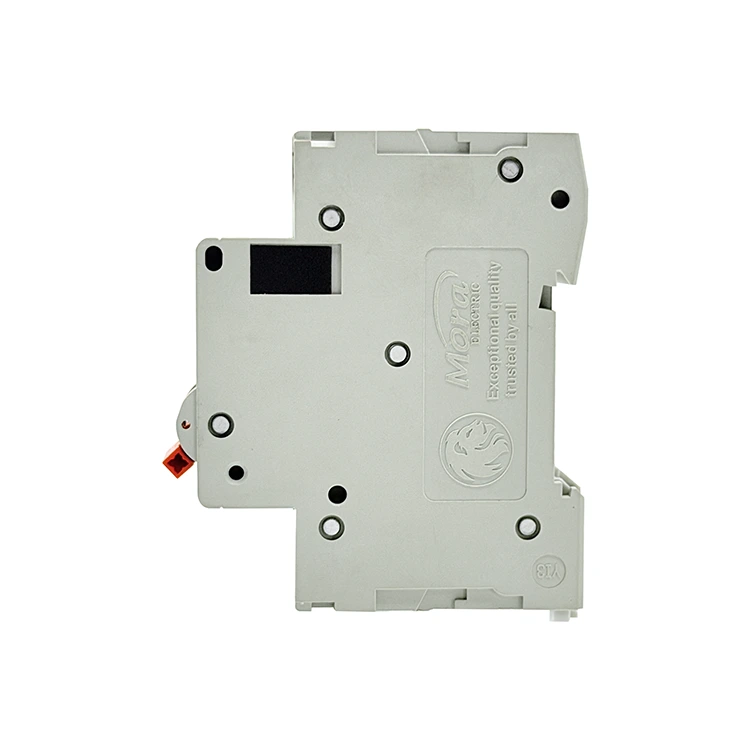
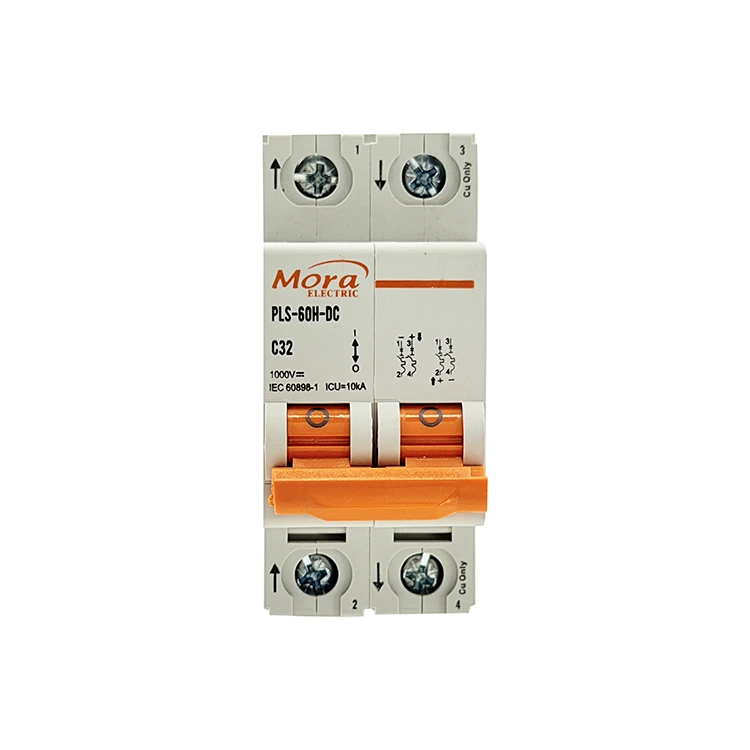
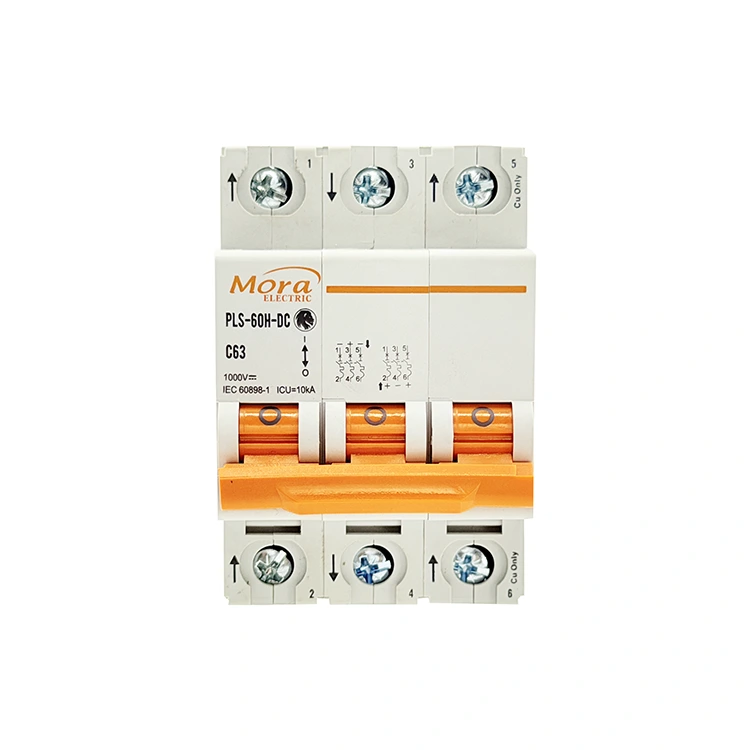
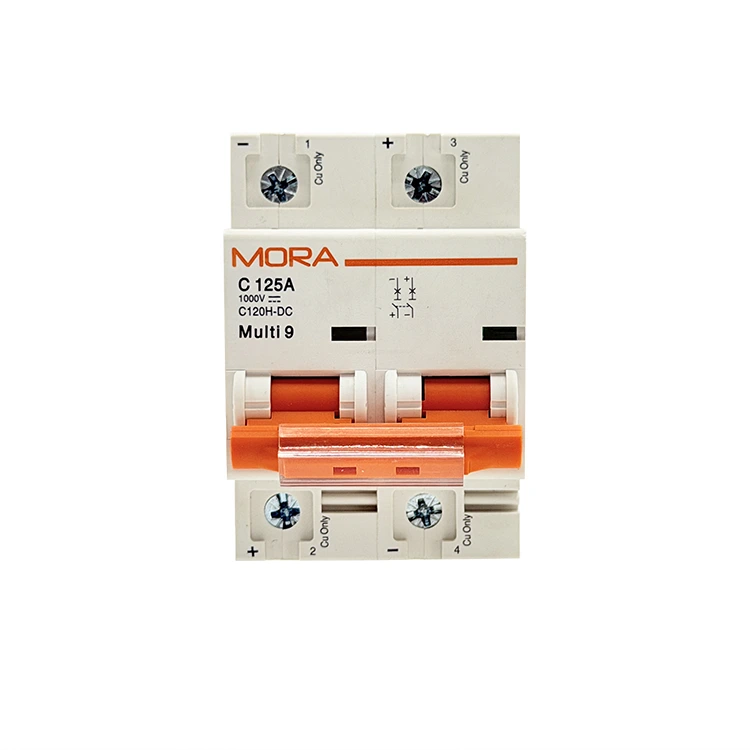
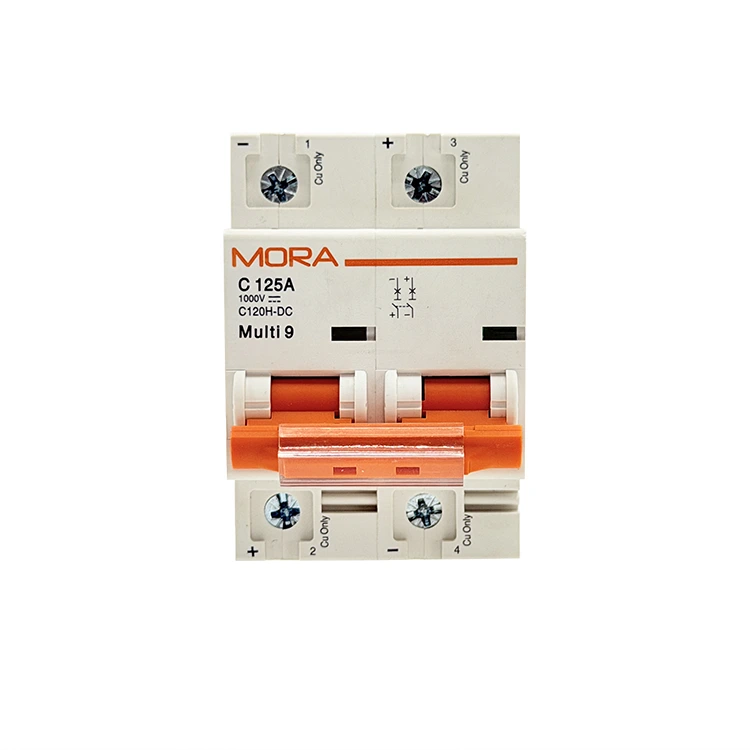
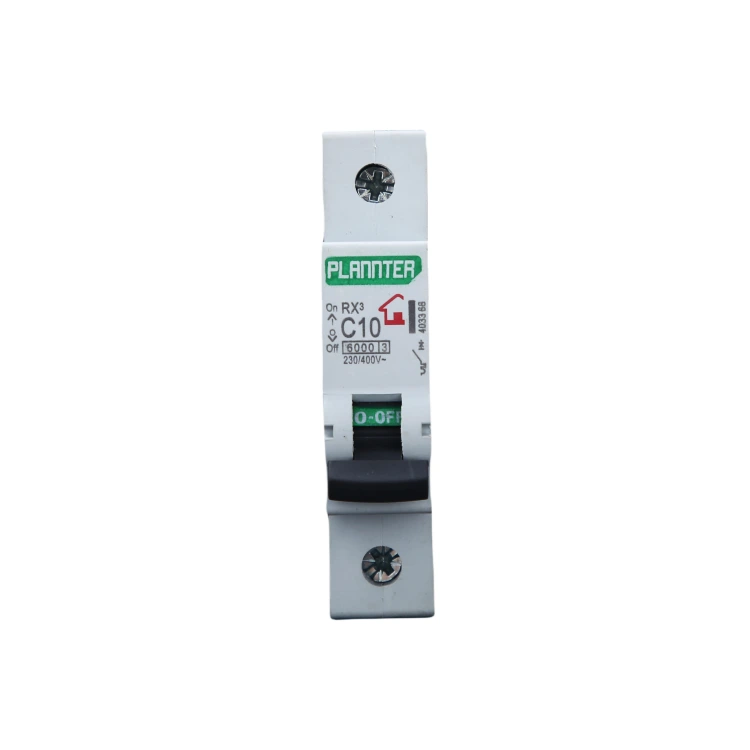
C65 1 Pole DC Circuit Breaker
  • C65 1 Pole DC Circuit BreakerC65 1 Pole DC Circuit Breaker
  • C65 1 Pole DC Circuit BreakerC65 1 Pole DC Circuit Breaker
  • C65 1 Pole DC Circuit BreakerC65 1 Pole DC Circuit Breaker
  • C65 1 Pole DC Circuit BreakerC65 1 Pole DC Circuit Breaker

C65 1 Pole DC Circuit Breaker

PUGAO (brand: Mora) offers industrial engineering buyers a dependable option to buy C65 1 Pole DC Circuit Breaker units directly from our ISO9001-certified production lines, providing optimized short-circuit and overload protection for modern solar arrays and low-voltage industrial DC systems up to 250V.

PUGAO (brand: Mora) operates as a specialized C65 1 Pole DC Circuit Breaker factory in China, supplying heavy-duty single-pole switches engineered specifically for DC applications; our 1P thermal-magnetic breaker features a permanent magnet arc-extinguishing system to eliminate contact burning in solar strings and telecom networks.


Technical Definition & Practical Applications

The C65 1 Pole DC Circuit Breaker is a mechanical switch designed to protect single-phase DC electrical loops. Unlike alternating current (AC) lines, a DC current loop lacks a natural zero-crossing point. When contacts open under load, the resulting electrical arc is continuous and highly stable.

Our single-pole breaker isolates the positive rail of a DC circuit, using targeted mechanical force and magnetic acceleration to break faults before they cause system-wide thermal damage.

Solar Photovoltaic Systems

In residential and commercial solar arrays, individual panel strings output continuous DC voltages. This circuit breaker is installed within combiner boxes at the output layer (ranging from 12V to 250V DC). It isolates individual strings, preventing reverse-current faults or wiring shorts from spreading across the solar array.

Telecom Data Centers & UPS Systems

Modern communication hardware runs on 48V to 110V DC battery backup systems. The C65 1 Pole DC Circuit Breaker provides targeted protection for individual equipment racks, isolating localized component failures without interrupting power to adjacent networking systems.

Industrial Automation

Localized industrial DC control loops, material handling systems, and internal electric vehicle battery management circuits use single-pole breakers to establish distinct, safely isolated power zones between charging modules and primary battery storage.


C65 1 Pole DC Circuit BreakerC65 1 Pole DC Circuit Breaker


Technical Specifications

The following matrix outlines the standardized operating limits and material compositions verified on our quality control testing benches:

Specification Parameter

Operational Value

Engineering Context

Rated Operating Voltage

12V DC up to 250V DC

Validated for standard solar strings and battery banks.

Rated Current Range

6A, 10A, 16A, 20A, 25A, 32A, 40A, 50A, 63A

Matches standard industrial wire gauges.

Breaking Capacity

6,000 Amperes (6kA)

Maximum interruptible short-circuit current loop.

Casing Material

V0-Grade PA66 Nylon

Flame-retardant polymer; resists warping up to 960°C.

Internal Contacts

Silver-Graphite Alloy

Resists welding and maintains low contact resistance.

Terminal Construction

Thickened Tunnel-Type Copper

Supports high torque values up to 2.5 Nm.

Tripping Curve Types

C-Type & D-Type

Selectable for resistive or high-inductive surge loads.

Mechanical Lifespan

≥ 20,000 cycles

Standard operations under non-fault conditions.


Core Technical Advantages

1. 5-Millisecond Magnetic Arc Extinguishing

Direct current arcs can destroy copper contacts within a fraction of a second if left unchecked. To solve this, our C65 1 Pole DC Circuit Breaker incorporates two internal permanent magnets. When a fault occurs and the contacts separate, the magnetic field forces the arc away from the contact surfaces and drives it into a 9-plate steel cooling grid. The grid splits, cools, and extinguishes the arc within 5 milliseconds, minimizing wear on the contact surfaces.

2. High-Precision Bimetallic Overload Control

Continuous overloads gradually degrade wire insulation, creating a severe fire hazard. PUGAO (Mora) uses calibrated bimetallic strips consisting of two bonded metals with differing thermal expansion rates. Continuous overcurrent heats the strip, causing it to bend predictably and trigger the trip lever. This mechanical setup prevents false trips caused by brief startup spikes while ensuring reliable isolation during genuine overloads.

3. Automated Spot-Welding

Manual internal assembly can lead to variable connection resistances and inconsistent trip points. Our production facility utilizes an automated assembly line equipped with automated spot-welding units. By fixing the internal copper shunts and tripping mechanisms into precise positions, we ensure uniform internal resistance across all production runs, preventing localized overheating inside distribution cabinets.


Field Installation

1. Isolate the Power Source: Safety Setup. Open the primary solar disconnect switch or battery isolation fuse block upstream. Use a calibrated digital multimeter to verify that there is 0V present on the incoming line before mounting the C65 1 Pole DC Circuit Breaker hardware.

2. Secure onto DIN Rail: Enclosure Assembly. Snap the base of the breaker onto a standard 35mm DIN rail. Ensure both the top and bottom spring-loaded retention clips lock firmly into position, preventing movement when operating the toggle handle.

3. Align Polarity Indicators: Critical Step. DC breakers are directional. Locate the (+) and(-) indicators stamped adjacent to the terminal ports. The positive incoming supply wire must enter the designated positive input terminal. Reversing this wiring prevents the internal magnets from drawing the electrical arc into the cooling grid.

4. Torque Conductor Terminals: Final Verification. Insert stripped copper conductors cleanly into the tunnel terminals. Use a calibrated torque screwdriver to tighten the terminal screws to 2.0–2.5 Nm. Loose connections cause localized heating and premature thermal tripping.


C65 1 Pole DC Circuit BreakerC65 1 Pole DC Circuit Breaker


Technical & Engineering FAQ

Why can this single-pole DC breaker not be used in a standard AC distribution line?

The internal arc suppression system relies on directional permanent magnets. In an AC system, the current continuously alternates direction 50 or 60 times per second. This alternating current forces the arc outward toward the plastic casing rather than inward into the steel cooling grid, causing catastrophic failure of the shell.

What causes a DC breaker to warp or melt if the wiring polarity is accidentally reversed during field installation?

When polarity is reversed, the internal magnetic field repels the electrical arc away from the cooling grid and holds it directly over the silver alloy contacts. The trapped arc generates localized temperatures exceeding 1,000°C, melting the internal mechanisms and the PA66 polymer casing instead of safely extinguishing it.

How does the ambient operating temperature inside a sealed combiner box alter the thermal tripping threshold?

Our bimetallic strips are calibrated for a baseline ambient temperature of 30°C. If the interior of a sealed distribution box reaches 50°C due to direct sunlight, the bimetallic strip inside the C65 1 Pole DC Circuit Breaker pre-heats, causing it to trip at roughly 85% to 90% of its stamped rated current. For high-temperature environments, we recommend derating the load or adjusting the selection parameter upward.

Hot Tags: C65 1 Pole DC Circuit Breaker
Send Inquiry
Contact Info
For inquiries about mini circuit breaker, voltage protector, changeover switch or price list, please leave your email to us and we will be in touch within 24 hours.
X
We use cookies to offer you a better browsing experience, analyze site traffic and personalize content. By using this site, you agree to our use of cookies.Privacy Policy
RejectAccept