A weeklong outage can turn a routine power problem into a household challenge, but Pugao’s manual changeover switch shows why a simple power transfer method can still matter.
When the grid goes down for several days, the biggest problem is rarely the darkness itself. Refrigerators stop running, heating or cooling systems become unavailable, communication equipment needs backup power, and basic lighting suddenly depends on whatever alternative power source is available.
For one homeowner facing an extended outage, the solution was not a complicated automated system. A standby generator and a clearly operated manual changeover switch provided a straightforward way to move selected circuits from the normal utility supply to backup power.
The story reflects a wider issue in residential and small-building electrical planning: when backup power is available, how quickly and safely can the electrical supply be transferred?
Short power interruptions are inconvenient. A multi-day outage is different.
During a prolonged interruption, households may need to keep several essential loads operating while leaving non-essential equipment disconnected. A refrigerator, lighting circuit, communications equipment, circulation pump, or selected socket circuits may remain important, while high-consumption appliances can be left offline.
This creates a practical requirement for electrical switching equipment. The backup source must be connected without creating an unsafe connection between the utility supply and the generator.
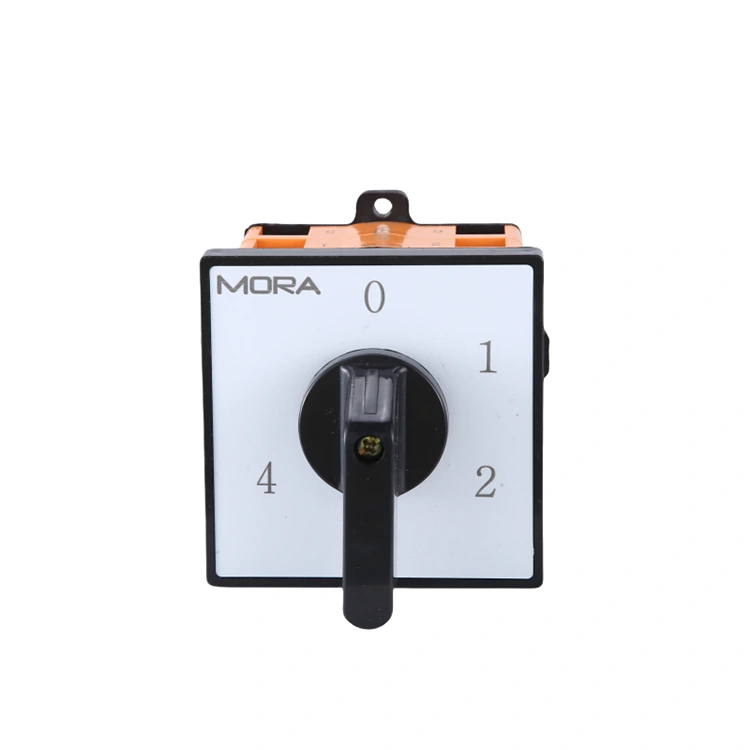
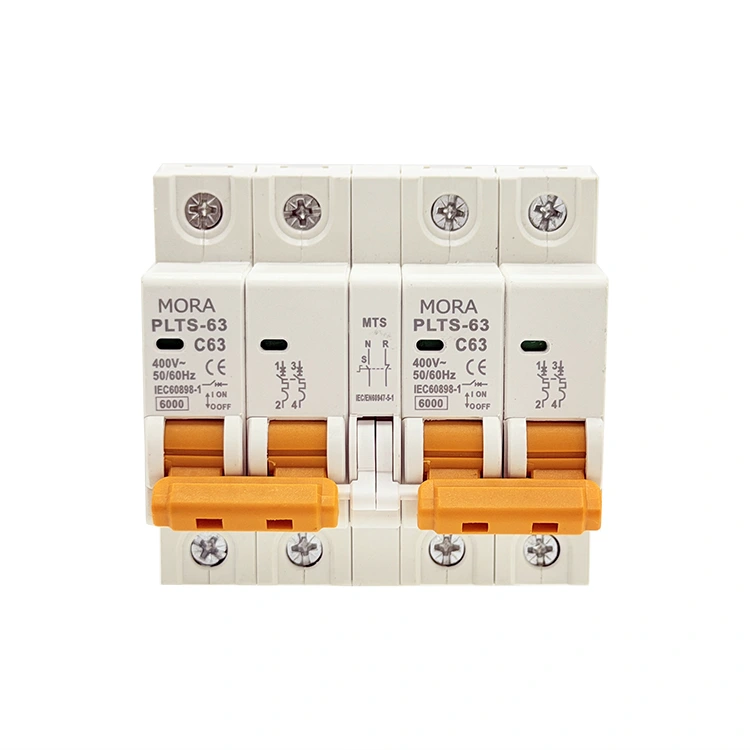
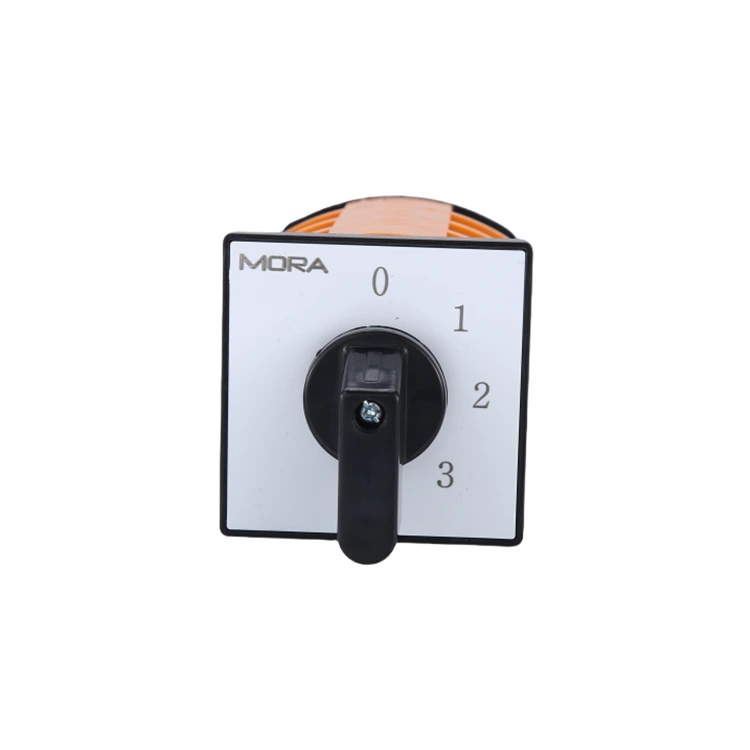
A manual changeover switch addresses this basic requirement by providing a defined switching path between two power sources.
Instead of depending on software, communications networks, or a complicated control sequence, the operator physically changes the supply position according to the electrical installation design.
That simplicity can become particularly useful when an outage lasts much longer than expected.
Automatic transfer systems have an obvious advantage: they can detect a power failure and transfer a designated load without requiring someone to operate the switch.
But automatic equipment is not the only approach.
For homes, workshops, small commercial buildings, agricultural facilities, and other installations where a trained person can manage the backup supply, manual switching can provide a more direct operating method.
The key is not whether a system is manual or automatic. The more important question is whether the switching arrangement clearly separates the two power sources and matches the electrical characteristics of the installation.
| Consideration | Why It Matters During an Outage |
|---|---|
| Source separation | Helps prevent unintended connection between utility and backup sources |
| Switching capacity | Must correspond to the connected electrical load |
| Number of poles | Determines which conductors are switched |
| Operating method | Should be clear enough for authorized personnel to understand |
| Installation space | Affects compatibility with the existing distribution enclosure |
| Backup source | Generator or other supply must match the electrical system |
| Maintenance | Mechanical switching equipment should remain accessible for inspection |
These details are easy to overlook when selecting backup-power equipment. Yet during an actual outage, they can determine whether a backup arrangement is practical or difficult to operate.
Imagine the homeowner's situation.
The utility supply fails on Monday morning. The refrigerator is already full, temperatures are falling outside, and the outage notice initially gives no firm restoration time.
A portable or standby generator is available, but simply connecting it to the household wiring is not enough. The normal utility source has to be isolated according to the electrical installation requirements before the backup source supplies the selected circuits.
The homeowner follows the established operating procedure.
First, the normal supply is disconnected. The generator is started and allowed to stabilize. The manual changeover switch is then moved to the backup position, transferring the designated circuits to the alternative source.
The result is deliberately unremarkable: lights come back on, essential appliances can operate, and the household continues with a limited but usable electrical supply.
On Tuesday, Wednesday, and the following days, the same basic arrangement remains available.
There is no need for the switching equipment to make decisions about household priorities. Those priorities have already been established during installation.
That is one of the practical strengths of a simple manual system.
A generator does not necessarily need to power an entire house.
In many backup installations, the more sensible approach is to identify essential circuits before an outage occurs.
For example:
Large electric heating elements, electric vehicle chargers, ovens, and other high-demand loads may require substantially more generator capacity.
This is why a changeover switch should never be considered separately from the overall electrical design. The switching equipment, generator rating, distribution board, conductor sizes, protective devices, and connected loads all need to work as one system.
For procurement teams evaluating low-voltage electrical equipment, this point is particularly important. A product specification should be compared against the intended application rather than judged simply by appearance or nominal current rating.
Mechanical simplicity does not automatically mean that every manual switch is suitable.
A dependable unit begins with appropriate electrical specifications and consistent manufacturing controls.
Pugao has produced low-voltage electrical equipment since 2011, with product areas including power distribution switches, control equipment, motors, and instrumentation. Its production environment includes automated small circuit breaker semi-production lines, automatic packaging and laminating equipment, fully automatic punching machines, inspection and validation workbenches, laser marking systems, pad-printing equipment, manual production lines, and semi-automatic spot welding machines.
These production details matter because electrical switching equipment depends on more than the external housing. Mechanical movement, conductive components, terminal construction, insulation, contact alignment, and assembly consistency all influence the finished device.
Quality inspection and validation also provide an important checkpoint before equipment becomes part of a low-voltage distribution system.
The word "manual" can sometimes give the impression of outdated equipment. In electrical distribution, that assumption is misleading.
A manual switch can be an intentionally simple component within a well-designed system.
Its main job is easy to understand: select the appropriate power source while maintaining the required separation between sources.
There is value in equipment that does not add unnecessary complexity to a basic task.
For installations where automatic transfer is not required, manual operation can also make the system easier to understand. A clearly marked switch position provides a visible indication of which source is currently selected.
That visibility can be useful during maintenance, testing, and emergency operation.
The homeowner's experience also highlights several questions that are useful before specifying backup switching equipment.
The switch needs to correspond to the electrical load it is expected to control. Choosing based only on the generator's headline output can lead to an incomplete assessment.
The electrical system determines whether the installation requires single-pole, double-pole, three-pole, four-pole, or another configuration.
A manual mechanism should have an operating position that is easy to identify and appropriate for the installation environment.
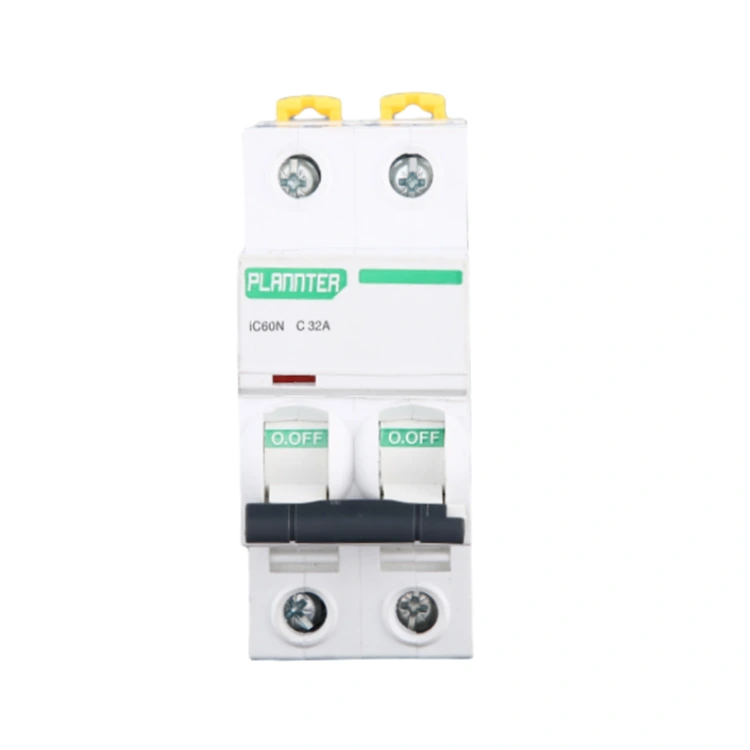
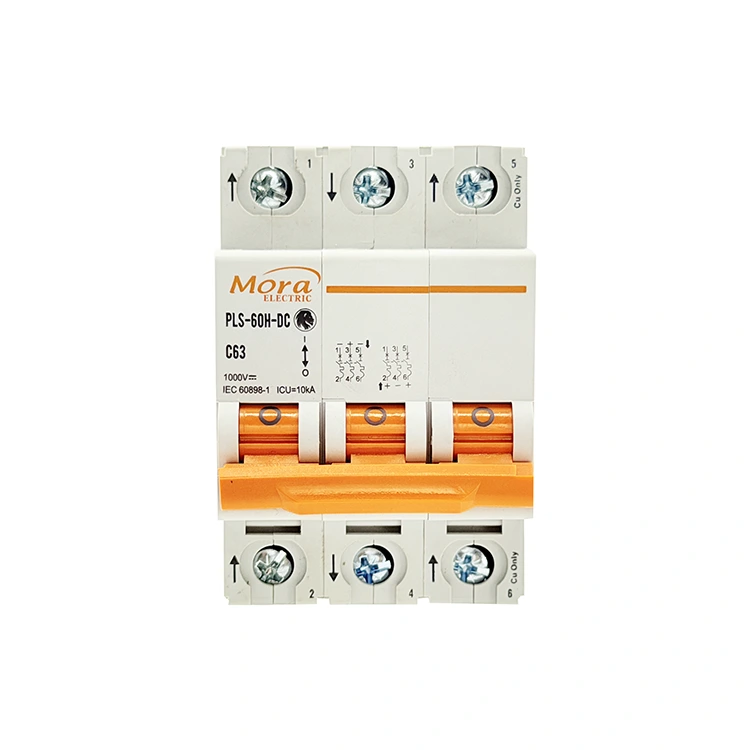
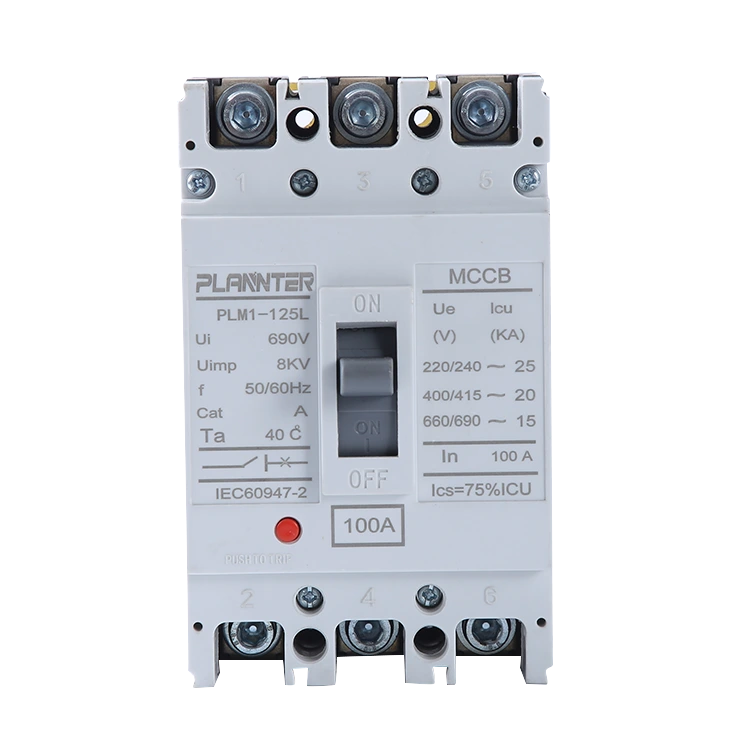
A changeover switch does not replace circuit protection. Breakers, fuses, grounding arrangements, and other protective measures remain part of the complete electrical system.
A manual backup arrangement should have a clear procedure, and operation should be limited to people who understand the installation and applicable safety requirements.
These questions can prevent a common mistake: treating the switch as an isolated component rather than one part of a complete backup-power arrangement.
Manual transfer arrangements can be relevant to many low-voltage applications.
| Application | Typical Reason for Backup Switching |
|---|---|
| Residential properties | Maintain essential household circuits |
| Small offices | Keep lighting and communication equipment running |
| Workshops | Maintain selected equipment during grid interruptions |
| Agricultural facilities | Support pumps and essential electrical loads |
| Small commercial buildings | Maintain critical circuits without powering the entire installation |
| Remote facilities | Provide a practical connection between normal and standby sources |
The appropriate configuration varies with local electrical codes, source characteristics, load requirements, and installation design.
That variation is precisely why technical documentation and equipment specifications should be reviewed before a product is incorporated into a project.
The homeowner did not keep every appliance running throughout the outage. Nor did a single switch solve every electrical challenge.
What worked was a complete arrangement built around a simple principle: identify essential loads, provide an adequate backup source, separate the utility supply from that source, and establish a clear method for transferring the selected circuits.
The manual changeover switch was only one component, but it performed an important role without adding unnecessary complexity.
For electrical equipment procurement and project planning, that lesson is worth remembering. Backup-power systems do not always need more features. They need the right configuration, suitable ratings, clear operation, and consistent quality control.
A week without grid power can quickly expose weaknesses that remain invisible during normal operation. When the electrical system has been planned in advance, however, even a prolonged outage can become a manageable interruption rather than a household crisis.
For this type of low-voltage application, the practical value of a Manual Changeover Switch lies in its defined switching function and straightforward operation. Zhejiang Pugao Electric Power Co., Ltd., under the Pugao brand, continues to develop and produce low-voltage electrical equipment with established production and inspection processes, providing one example of how uncomplicated electrical hardware can remain relevant in modern backup-power planning.