News

Why Plastic Miniature Circuit Breakers Matter in Smart Buildings

2026-10-22 0 Leave me a message

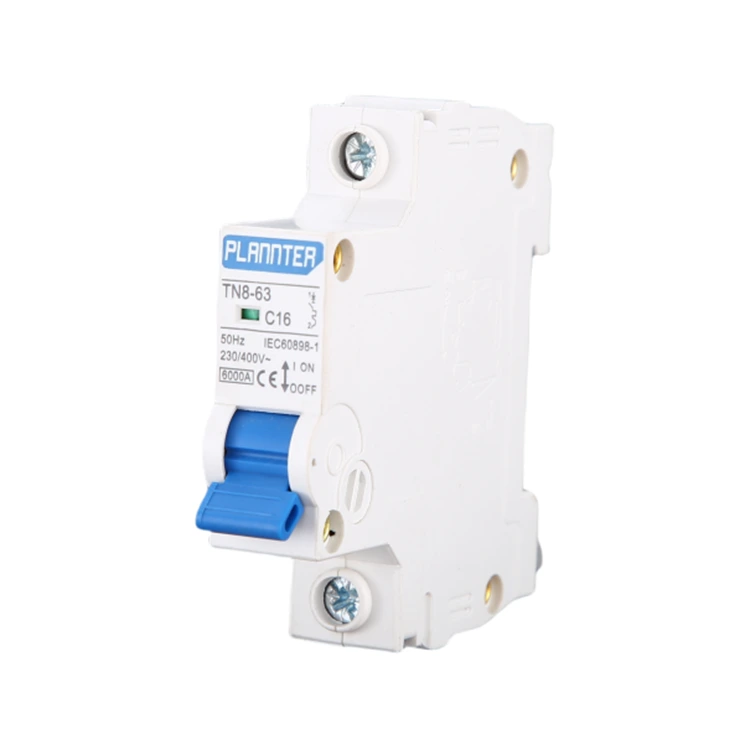
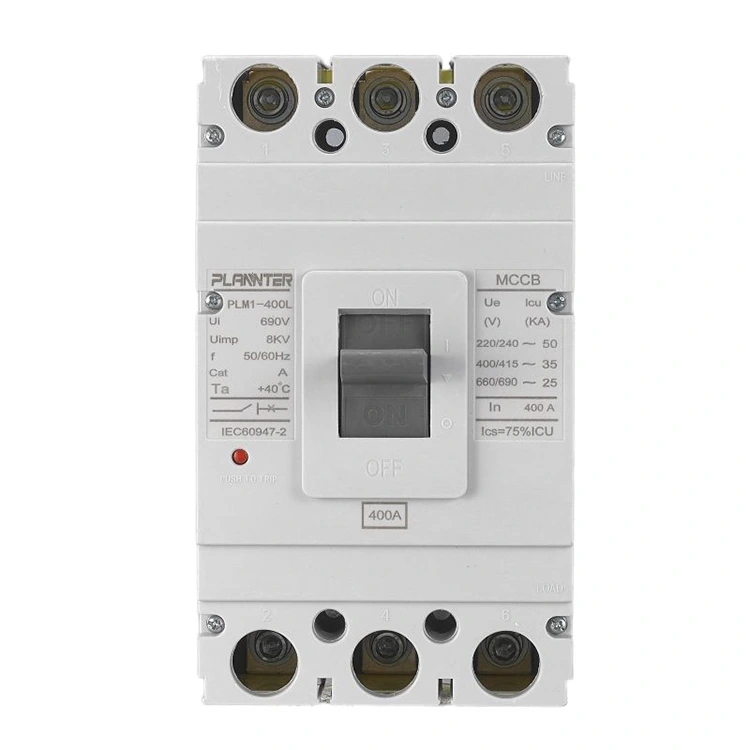
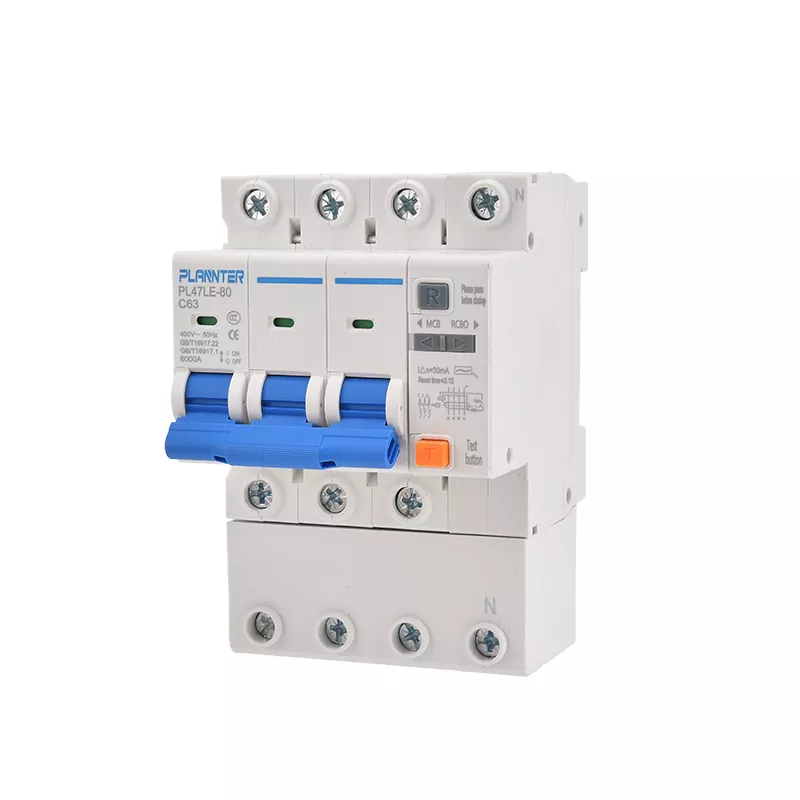
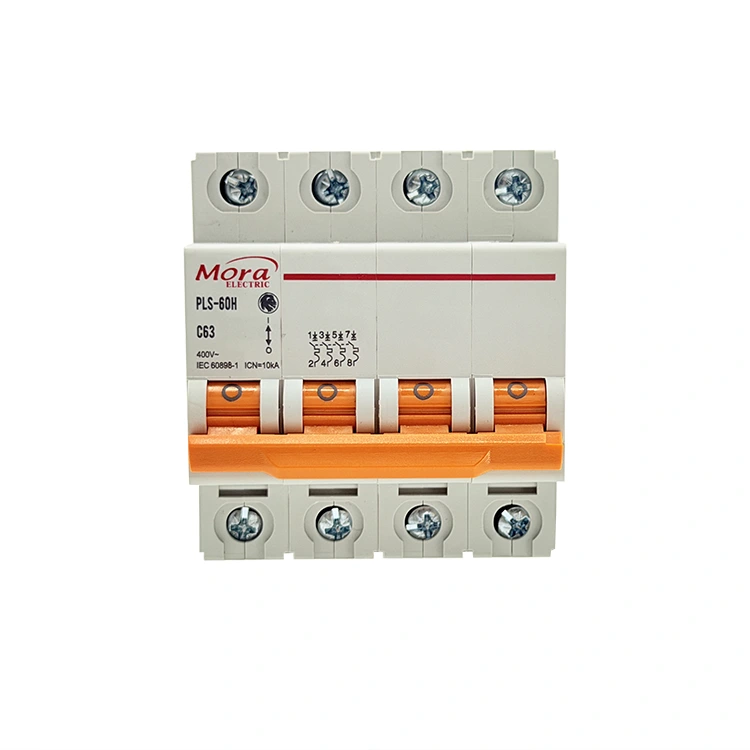
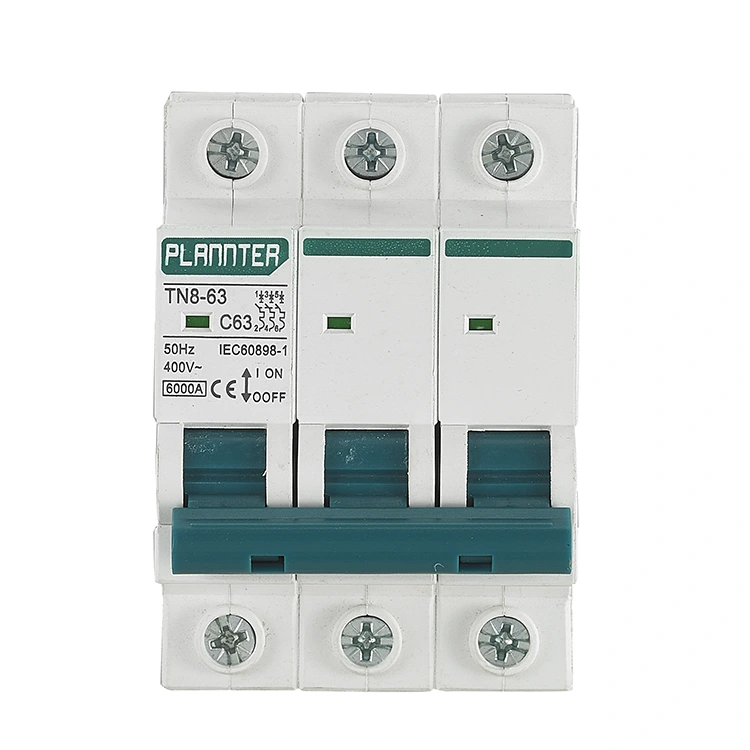
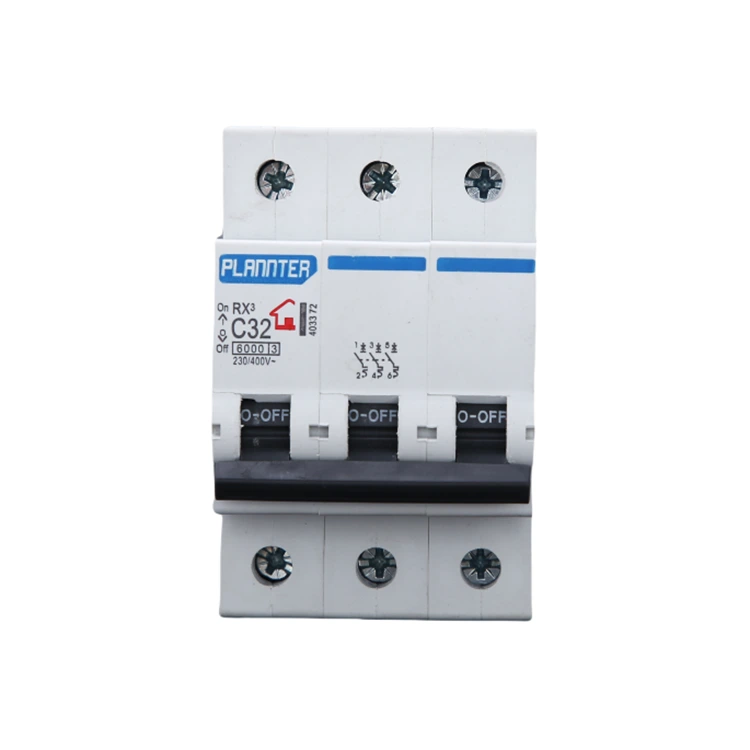
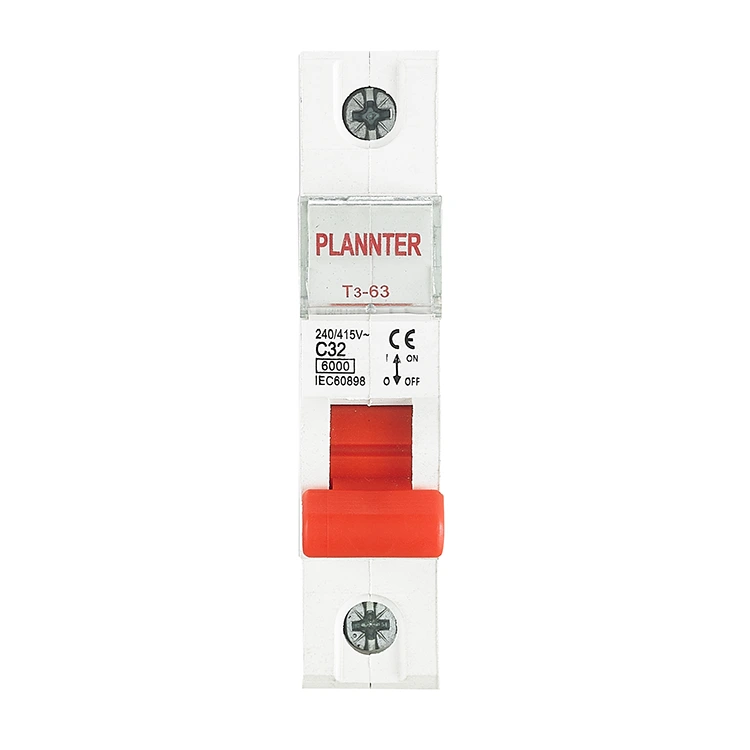
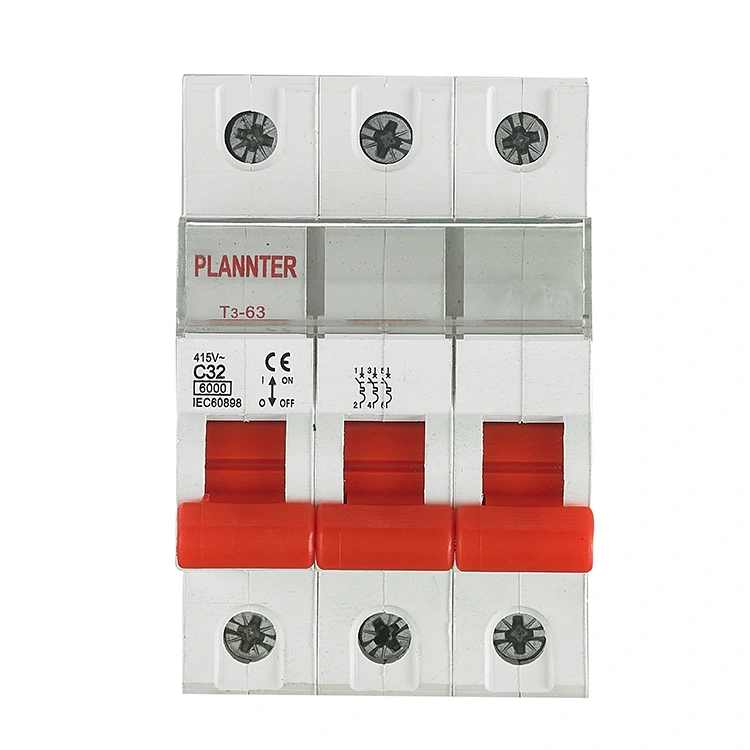
As smart buildings integrate connected lighting, automated climate control, access systems, and energy monitoring, Plastic Miniature Circuit Breakers remain an essential part of the electrical infrastructure that keeps individual circuits protected and organized.

The growth of building automation is changing how electricity is distributed and managed. Offices, apartments, hotels, and commercial facilities increasingly rely on interconnected equipment to improve energy efficiency and simplify daily operations. Behind these digital systems, however, conventional electrical protection remains necessary. Smart controls can monitor consumption and adjust equipment operation, but they do not replace the need for appropriate circuit protection.

Smart Buildings Need Organized Electrical Distribution

A smart building may contain hundreds of electrical loads, including lighting circuits, ventilation equipment, office outlets, communication devices, and automated control panels. Each circuit has its own operating requirements, making proper distribution and protection important for system safety.

Circuit breakers help isolate circuits when excessive current occurs because of an overload or short circuit. This can limit the impact of certain electrical faults and reduce the risk of wiring overheating.

Separating loads into appropriately designed circuits also makes maintenance more manageable. If a lighting circuit develops a fault, for example, the affected section can be investigated without necessarily interrupting unrelated building functions.

As buildings become more connected, a well-organized distribution board provides the physical foundation for reliable electrical operation.

Plastic Miniature Circuit Breakers

Why Plastic Housings Matter

Material selection is an important consideration in miniature circuit breaker design. Suitable engineering plastics provide electrical insulation around internal components while supporting compact construction and mechanical stability.

These properties are particularly relevant in modular distribution boards, where multiple protective devices are installed within a limited space.

However, plastic housings are not interchangeable. Their performance depends on the material formulation, thermal characteristics, flame resistance, mechanical strength, and manufacturing consistency. The complete breaker design must meet the applicable electrical and product safety requirements.

Plastic Miniature Circuit Breakers therefore need to be evaluated as complete protective devices rather than judged by housing material or external appearance alone.

Design consideration Relevance to smart buildings
Insulation properties Help separate internal live components from accessible surfaces
Thermal performance Supports operation within specified temperature conditions
Mechanical strength Helps the housing withstand expected handling and installation stresses
Rated current Must suit the protected circuit and conductor capacity
Breaking capacity Must be adequate for the prospective short-circuit current
Panel compatibility Supports correct mounting and electrical connections

The Connection Between Energy Management and Circuit Protection

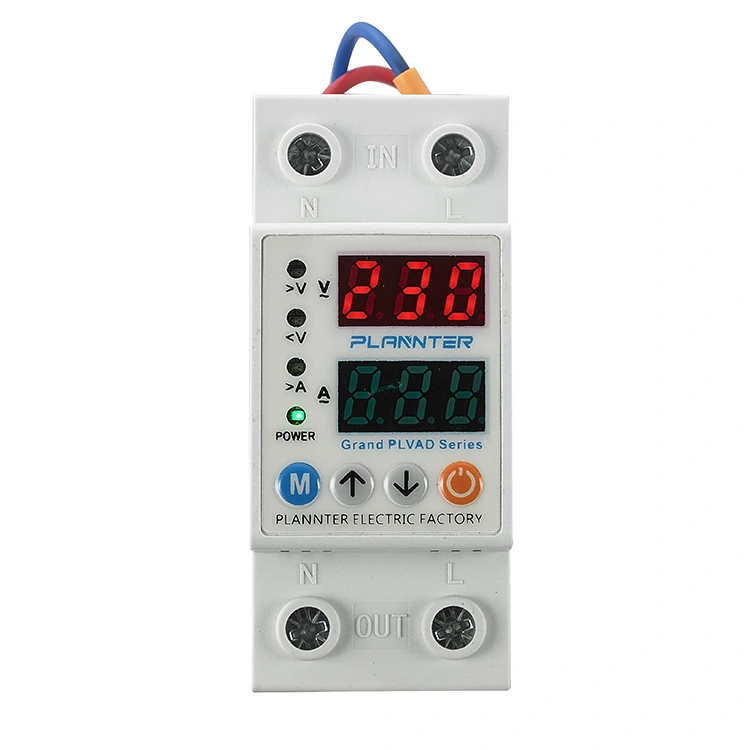
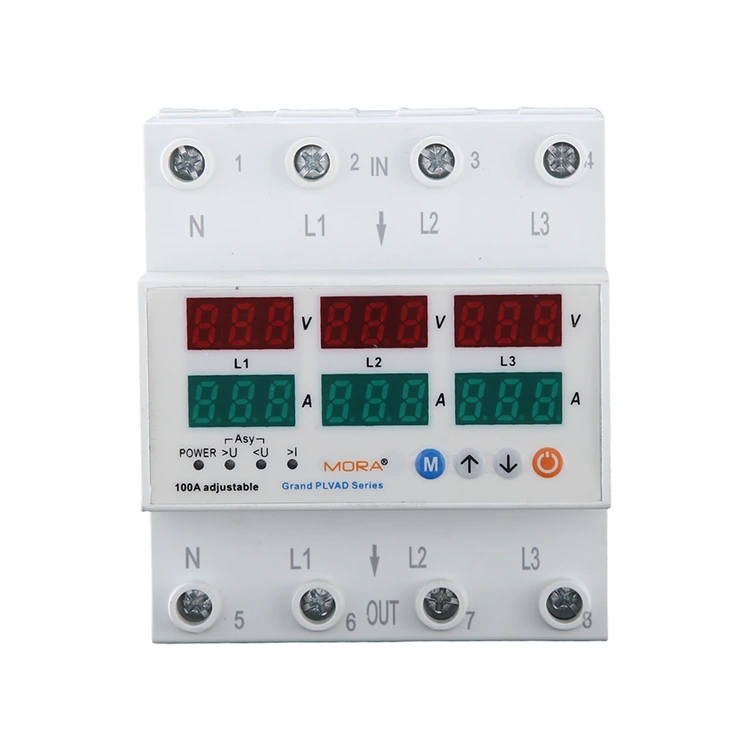
Energy management is a major consideration in modern building design. Smart meters, connected sensors, and building management systems can help facility teams understand consumption patterns and identify opportunities to reduce unnecessary energy use.

Yet monitoring and protection serve different purposes. An energy management platform can report abnormal consumption, while a circuit breaker provides a defined means of interrupting excessive current under its operating characteristics.

This distinction becomes increasingly important as buildings add electric vehicle charging, heat pumps, battery storage, and other high-demand equipment. These additions can change load profiles and place new demands on existing distribution infrastructure.

Before equipment is added, the available supply capacity, conductor sizing, protective device ratings, and distribution board limitations need to be assessed together. Adding more breakers alone does not increase the electrical capacity of a building.

What Electrical Planners Should Consider

Selecting protective devices for a smart building requires attention to the intended application and the wider electrical installation.

Rated current and voltage must match the circuit requirements, while breaking capacity must be appropriate for the expected fault current. Pole configuration, mounting arrangements, terminal compatibility, and applicable certification requirements also influence suitability.

Maintenance is another practical consideration. Clearly labeled circuits and accessible distribution boards help qualified personnel identify equipment and investigate faults more efficiently.

For buildings with complex automation systems, circuit schedules should distinguish between ordinary loads and equipment that supports essential operations. This makes it easier to plan maintenance and understand which areas may be affected when a circuit is disconnected.

Safety Remains Important as Buildings Become Smarter

Digital monitoring and automated control can improve visibility into building operations, but they cannot compensate for incorrectly sized conductors, loose connections, unsuitable protective devices, or poor installation practices.

Effective electrical safety depends on coordination among circuit protection, wiring, grounding, enclosure design, and installation procedures. Applicable electrical codes and product standards provide the framework for determining the requirements of each project.

As smart buildings continue to evolve, Plastic Miniature Circuit Breakers remain relevant because their function addresses a fundamental requirement that connected technology cannot eliminate: protecting electrical circuits against specified overcurrent conditions.

The wider lesson is that intelligent buildings depend on both advanced control systems and sound electrical fundamentals. Zhejiang Pugao Electric Power Co., Ltd. (Pugao), which produces low-voltage electrical equipment, operates within this broader industry context, where appropriate protection, consistent production, and well-designed distribution systems remain central to modern building safety. Ultimately, Plastic Miniature Circuit Breakers illustrate why even compact electrical components continue to matter in increasingly sophisticated buildings.

Related News
Leave me a message
X
We use cookies to offer you a better browsing experience, analyze site traffic and personalize content. By using this site, you agree to our use of cookies. Privacy Policy
RejectAccept