News

Why 1 Pole AC Circuit Breaker Is Gaining Attention in Smart Homes

2026-09-23 0 Leave me a message

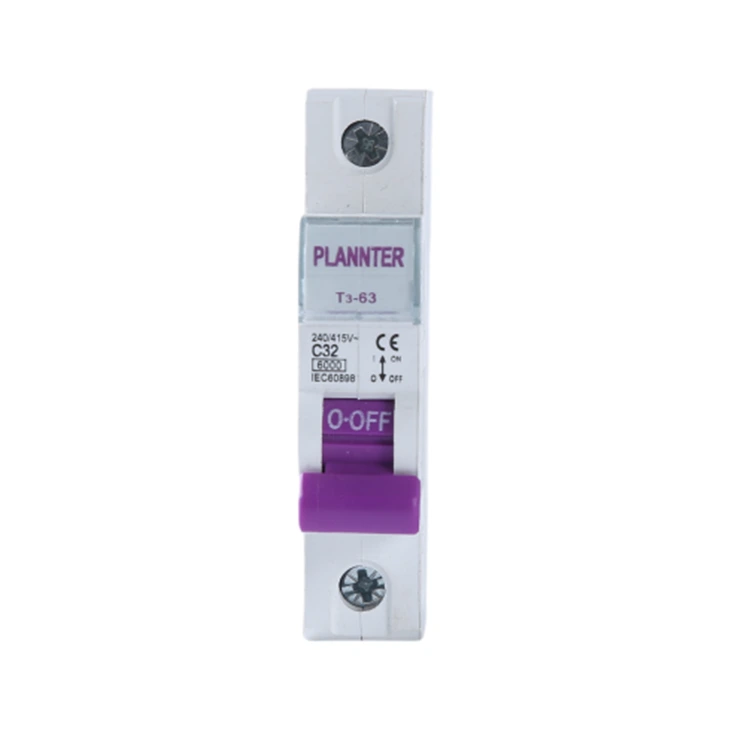
As smart homes become more connected and energy-intensive, the 1 Pole AC Circuit Breaker is receiving renewed attention as a fundamental component for organized and safer residential power distribution.

The concept of a smart home is no longer limited to connected lights, smart speakers, or automated appliances. Modern homes are increasingly becoming integrated energy environments that include electric vehicles, solar systems, battery storage, heat pumps, and intelligent control platforms. As electricity usage becomes more complex, the basic structure of residential power management is also changing.

Behind these advanced technologies, circuit protection remains a necessary part of everyday electrical safety. While smart systems provide monitoring and automation functions, traditional protection devices continue to help divide electrical loads, manage individual circuits, and respond to abnormal current conditions.

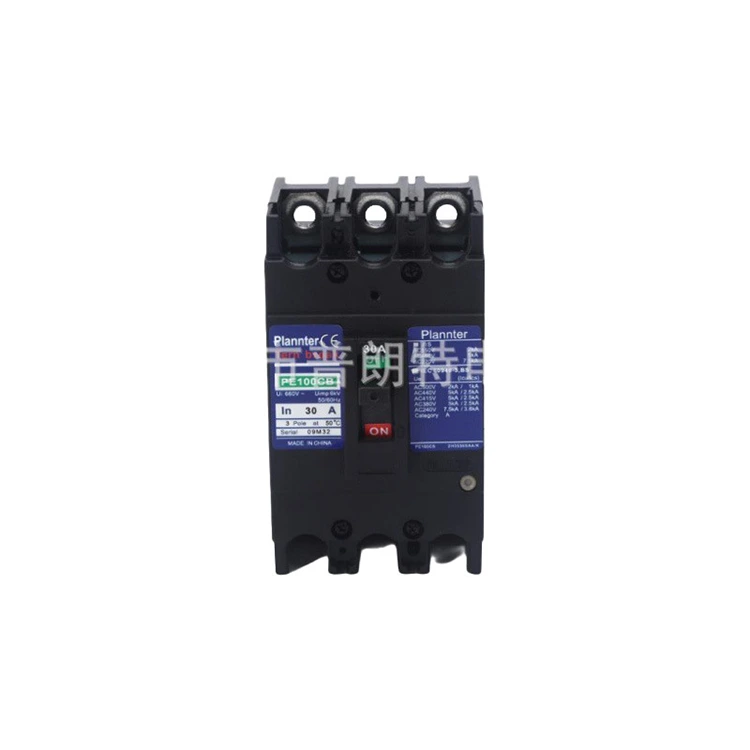
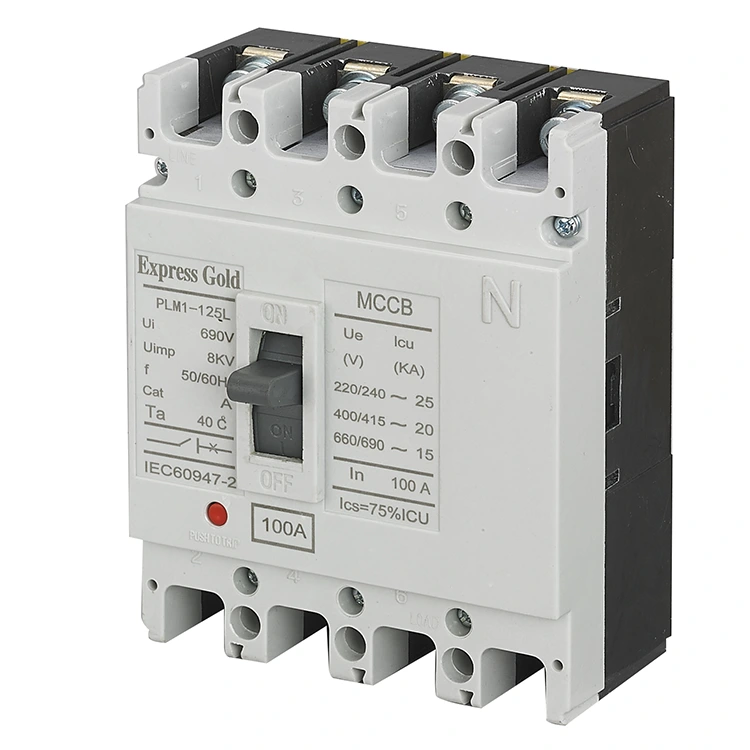
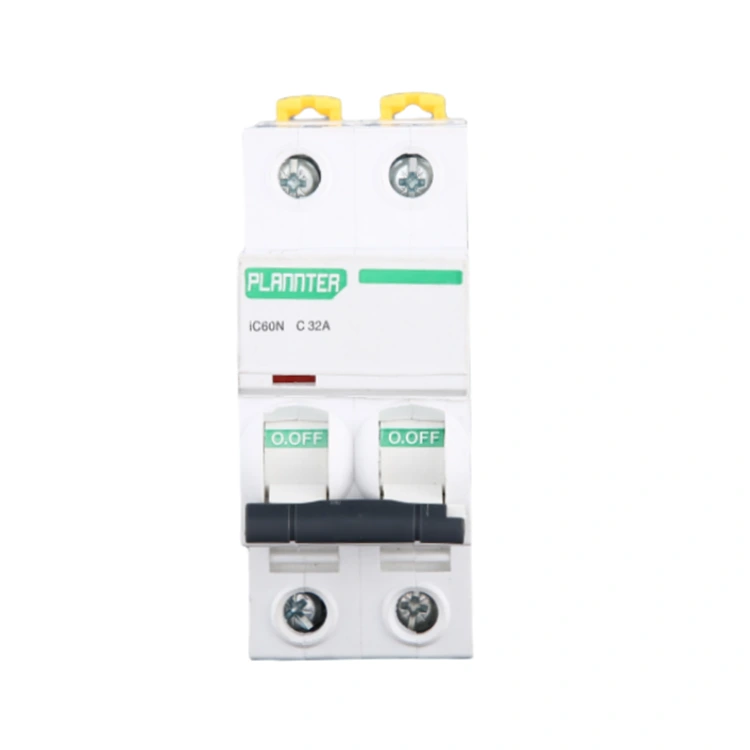
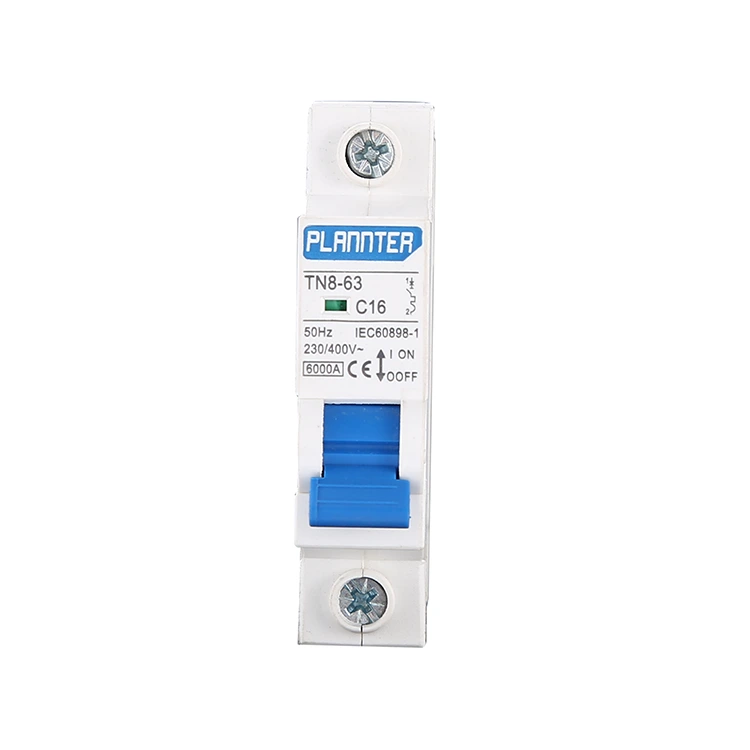
1 Pole AC Circuit Breaker

Smart Homes Need Smarter Electrical Foundations

The growth of smart home technology has changed the way electricity is used inside residential buildings.

In the past, household electrical systems were mainly designed around lighting, kitchen appliances, televisions, and basic electronic devices. Today, a modern home may include:

Smart Home Application Electrical Impact
Smart appliances More distributed electrical loads
Home office equipment Need for stable circuit operation
Electric vehicle charging Increased power demand
Solar and energy storage More complex energy flow
Home automation systems Additional low-power devices

This change creates a challenge for residential electrical systems. More devices do not necessarily mean higher safety risks, but they do require better circuit organization.

A properly designed electrical panel separates different household functions into individual circuits. When a problem occurs on one circuit, protection equipment can isolate that area instead of affecting the entire home.

This is one reason compact circuit protection devices remain important even as homes become more digitally connected.

The Role of 1 Pole AC Circuit Breaker in Modern Homes

A 1 Pole AC Circuit Breaker is commonly used for single-phase branch circuit protection in residential and light commercial applications.

Its primary function is simple: protect an individual circuit from excessive current conditions. When current exceeds the designed limit, the breaker disconnects the circuit to reduce the possibility of electrical damage.

Although the operating principle has existed for many years, the application environment is changing.

Smart homes require electrical panels that can support:

  • More individual branch circuits
  • Flexible equipment upgrades
  • Space-efficient installation
  • Easier inspection and maintenance
  • Integration with newer energy technologies
  • A single-pole design can be useful in these environments because it allows multiple protected circuits to be arranged within a compact distribution panel.

    The importance is not only the breaker itself but also how it contributes to the overall electrical layout.

    Why Basic Protection Still Matters in a Connected Home

    There is often a misconception that smart technology can replace traditional electrical protection. In reality, smart controls and circuit protection serve different purposes.

    A smart energy platform may provide information about electricity consumption or allow users to adjust energy use. However, physical protection devices remain responsible for responding directly to electrical faults.

    Industry discussions around smart panels and energy management increasingly focus on combining digital monitoring with established protection functions.

    A modern residential electrical system often requires several layers:

    Circuit Organization

    Individual circuits allow household loads to be managed separately. Lighting, appliances, and dedicated equipment can operate within their intended electrical conditions.

    Overcurrent Protection

    Circuit breakers help prevent excessive current from continuing through wiring and connected devices.

    System Flexibility

    A well-organized panel provides room for future additions, whether homeowners add smart appliances, renewable energy equipment, or other electrical technologies.

    How Electrification Is Changing Residential Power Design

    One of the biggest trends influencing home electrical systems is electrification.

    More households are adopting equipment that relies on electricity rather than traditional energy sources. Electric vehicles, heat pumps, induction cooking systems, and battery storage are increasing the importance of electrical capacity planning.

    This transition means electrical panels are becoming more than simple connection points. They are becoming central parts of home energy management.

    However, the move toward smarter homes does not eliminate the need for reliable basic components.

    A residential electrical system still depends on:

    Component Function
    Distribution panel Organizes incoming and outgoing circuits
    Circuit breakers Protect individual electrical paths
    Monitoring devices Provide energy information
    Control systems Manage connected equipment

    The relationship between traditional protection and modern intelligence is becoming an important part of future home design.

    Compact Design and Space Management in Electrical Panels

    Space has become another important consideration.

    As homes add more electrical functions, distribution panels need to accommodate additional equipment without becoming unnecessarily large.

    Compact circuit breakers help designers arrange multiple circuits efficiently. This is especially relevant in residential projects where available installation space may be limited.

    A smaller component does not mean a less important component. In many cases, compact electrical devices allow systems to become more organized and easier to maintain.

    For electrical planning professionals, the challenge is balancing:

  • Available panel space
  • Circuit requirements
  • Rated electrical performance
  • Installation standards
  • Future expansion possibilities
  • Selecting Circuit Protection for Smart Home Applications

    The selection of circuit protection equipment requires consideration of the entire electrical system rather than a single specification.

    Several factors influence whether a breaker is suitable for a specific application:

    Rated Current

    The breaker rating needs to correspond with the expected electrical load of the circuit.

    Voltage Compatibility

    The equipment should match the characteristics of the electrical network where it will be installed.

    Breaking Capacity

    The ability to interrupt fault current is a key safety consideration.

    Installation Environment

    Temperature, enclosure conditions, and installation methods can affect long-term operation.

    Panel Compatibility

    The physical design should fit the distribution system and allow proper connection.

    These factors become increasingly important as residential electrical systems continue evolving.

    Smart Homes Are Not Only About Digital Features

    When people imagine future homes, they often focus on voice control, automated lighting, or mobile applications.

    However, the foundation of a smart home begins with the electrical infrastructure behind the walls.

    A home cannot operate intelligently without a safe and organized power system.

    Circuit breakers, distribution panels, and protection equipment may not be the most visible elements of smart home technology, but they support the operation of nearly every connected device.

    The development of smart electrical systems is therefore not replacing traditional components. Instead, it is changing how these components work together.

    The Future Relationship Between Protection and Intelligence

    Future residential power systems will likely continue combining physical protection with digital monitoring.

    Smart panels, energy management systems, and connected devices are creating new ways to understand and control electricity use. At the same time, basic circuit protection remains essential because electrical safety depends on reliable responses to abnormal conditions.

    The growing attention around the 1 Pole AC Circuit Breaker reflects this balance. It represents a basic but important part of residential electrical design, supporting organized circuit protection while fitting into the changing requirements of modern smart homes.

    As homes become more connected and energy demands continue to increase, companies such as Zhejiang Pugao Electric Power Co., Ltd. (Pugao) continue developing low-voltage electrical equipment that reflects the ongoing evolution of residential power distribution. The future of smart homes will depend not only on advanced technologies but also on dependable electrical foundations built from essential components like the 1 Pole AC Circuit Breaker.

    Related News
    Leave me a message
    X
    We use cookies to offer you a better browsing experience, analyze site traffic and personalize content. By using this site, you agree to our use of cookies. Privacy Policy
    RejectAccept