Products
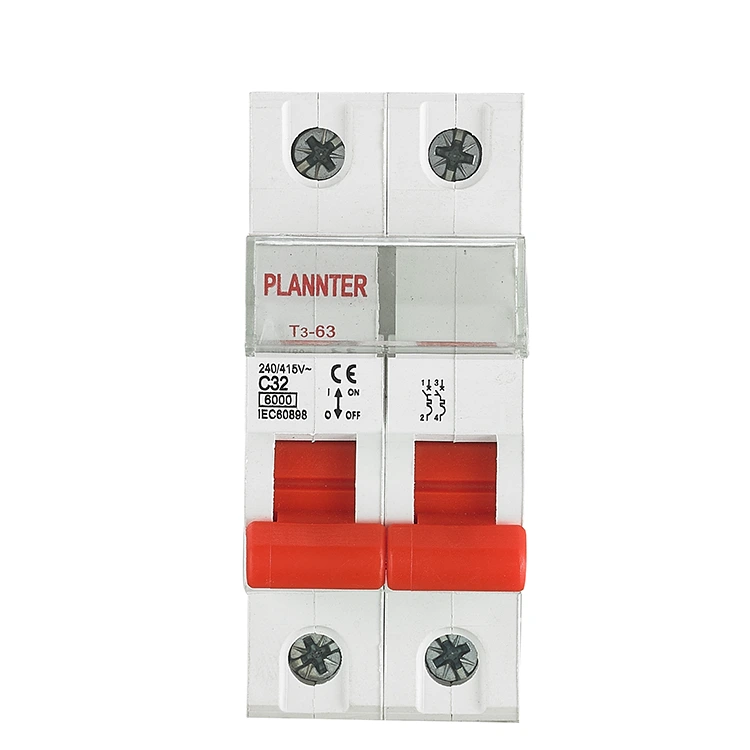
2P DC Miniature Circuit Breaker
  • 2P DC Miniature Circuit Breaker2P DC Miniature Circuit Breaker
  • 2P DC Miniature Circuit Breaker2P DC Miniature Circuit Breaker
  • 2P DC Miniature Circuit Breaker2P DC Miniature Circuit Breaker
  • 2P DC Miniature Circuit Breaker2P DC Miniature Circuit Breaker

2P DC Miniature Circuit Breaker

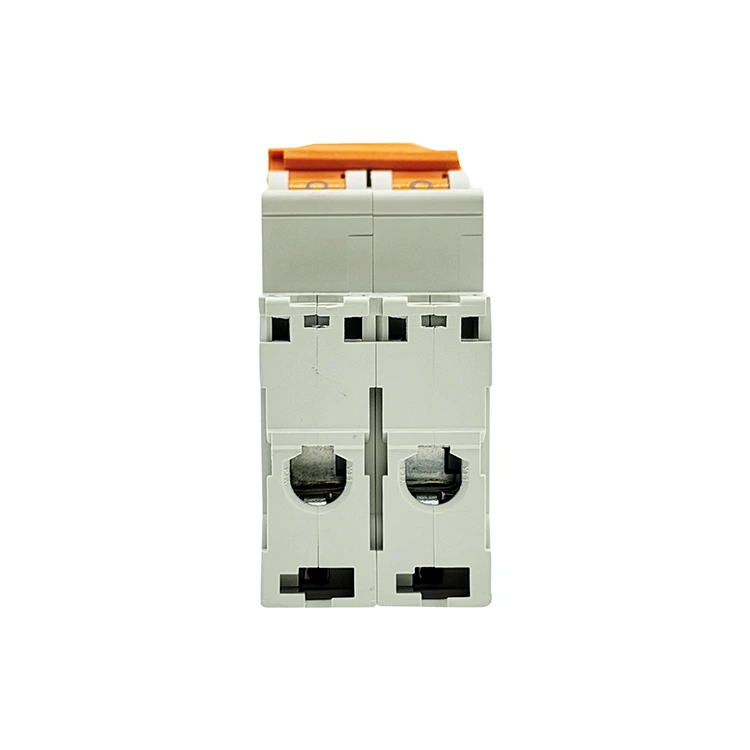
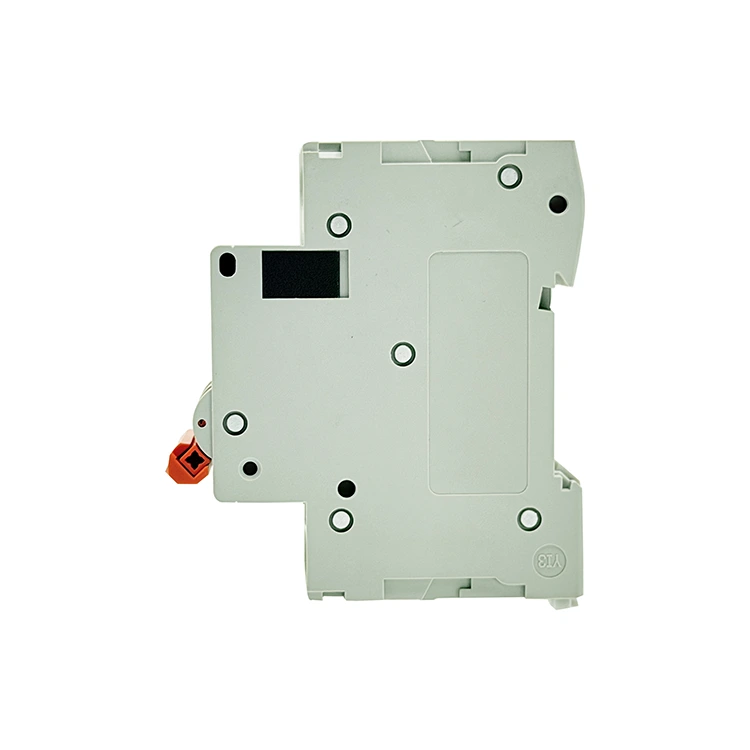
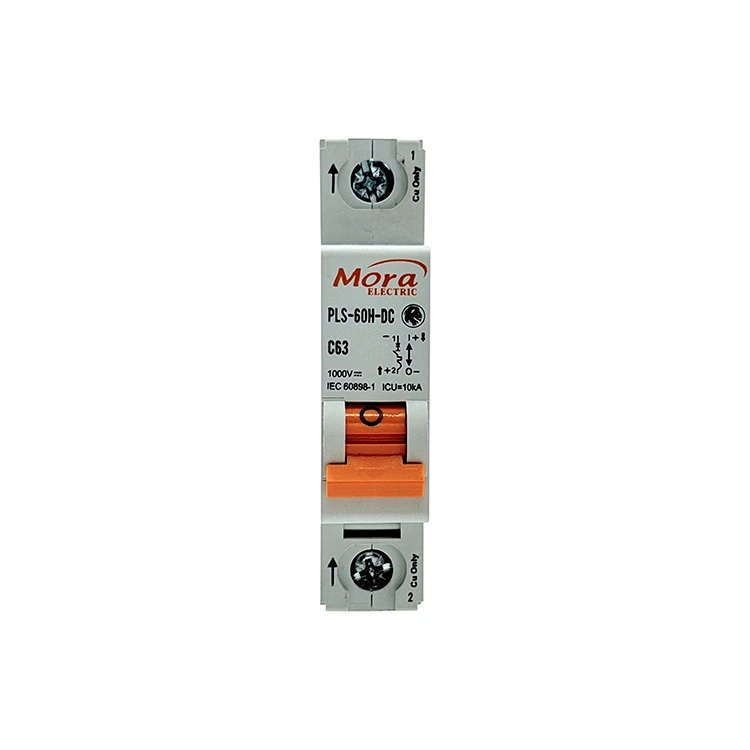
PUGAO Mora PLS-60H-DC 2P DC Miniature Circuit Breaker It is a bipolar DC protection device designed for photovoltaic energy storage, communication base stations, and industrial DC distribution scenarios. It adopts a dual linkage synchronous tripping structure, which simultaneously cuts off the positive and negative circuit in case of a fault, achieving complete electrical isolation and eliminating the risk of electric shock during maintenance when the other pole is still charged after the single pole is disconnected from the source. The shell is made of PA66 UL94 V-0 flame-retardant material, and does not ignite at 960 ℃; The contacts are made of silver nickel alloy, which is resistant to erosion and low temperature rise. The rated current covers 6A – 63A (with 80A/100A/125A industrial version available), and it is installed on a standard 35mm rail.

PUGAO (our own brand Mora) is an ISO9001 certified factory that undergoes full inspection before leaving the factory. Mora PLS-60H-DC 2P DC Miniature Circuit Breaker supports CE export and OEM/ODM customization. DC circuits do not have zero crossings like AC circuits, and once a fault arc is formed, it will continue to burn. Even if a regular AC MCB is tripped, it may not be able to extinguish the arc, ultimately causing a fire inside the cabinet. The NC series 2P DC MCB is designed to solve this essential problem: it introduces a permanent magnet arc blowing channel in the arc extinguishing chamber, uses a magnetic field to actively elongate and rapidly cool the arc, and works with a grid to cut the long arc into short arcs, making the arc reliably extinguished within tens of milliseconds.

2P DC Miniature Circuit Breaker

The 2P structure means that the positive and negative poles share a set of trip mechanisms, and if either pole experiences overload or short circuit, both poles will trip synchronously. For ungrounded floating DC systems (photovoltaic strings, lithium battery cabinets), this is crucial - only disconnect the positive pole, the negative pole potential may still flow back through the load circuit, and there is still a risk of electric shock when maintenance personnel touch the terminals.

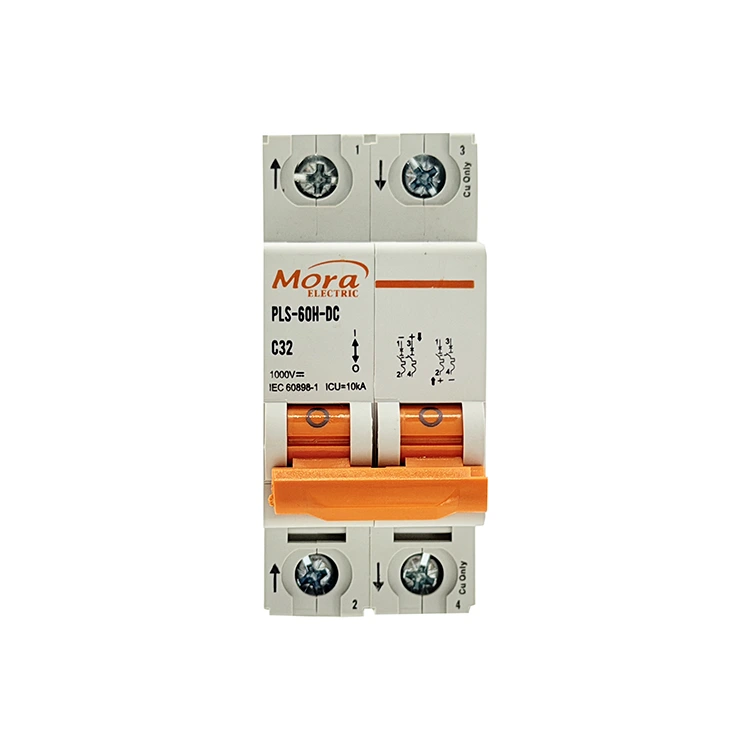
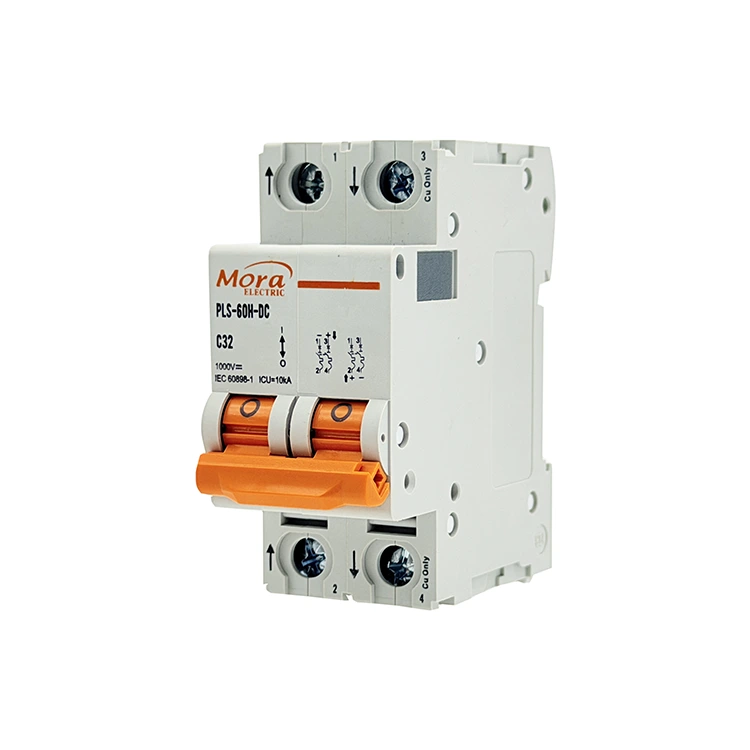
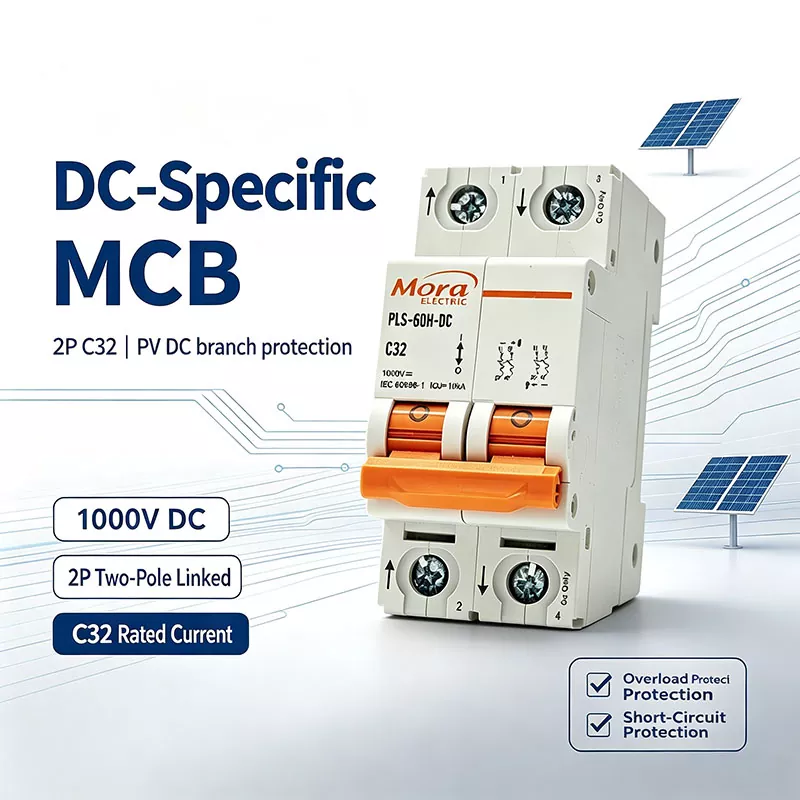
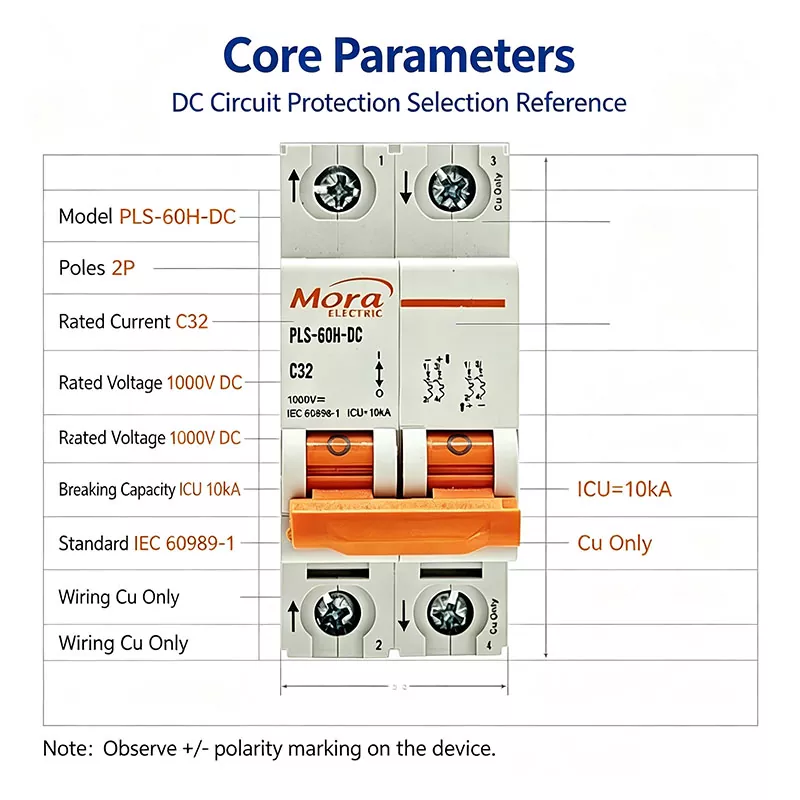
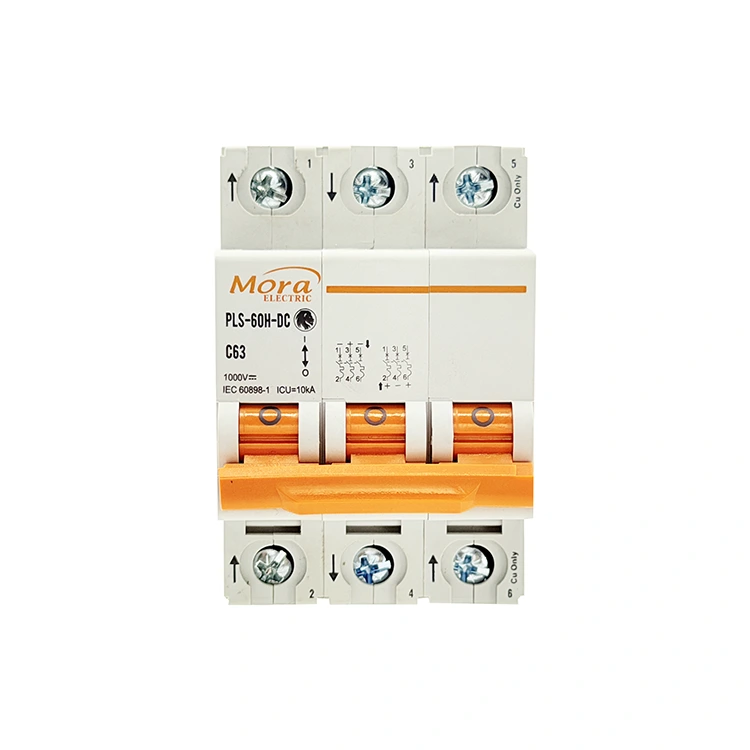
Mora PLS-60H-DC 2P DC miniature circuit breaker, rated current C32, rated voltage 1000V DC, breaking capacity 10kA, compliant with IEC 60898-1.

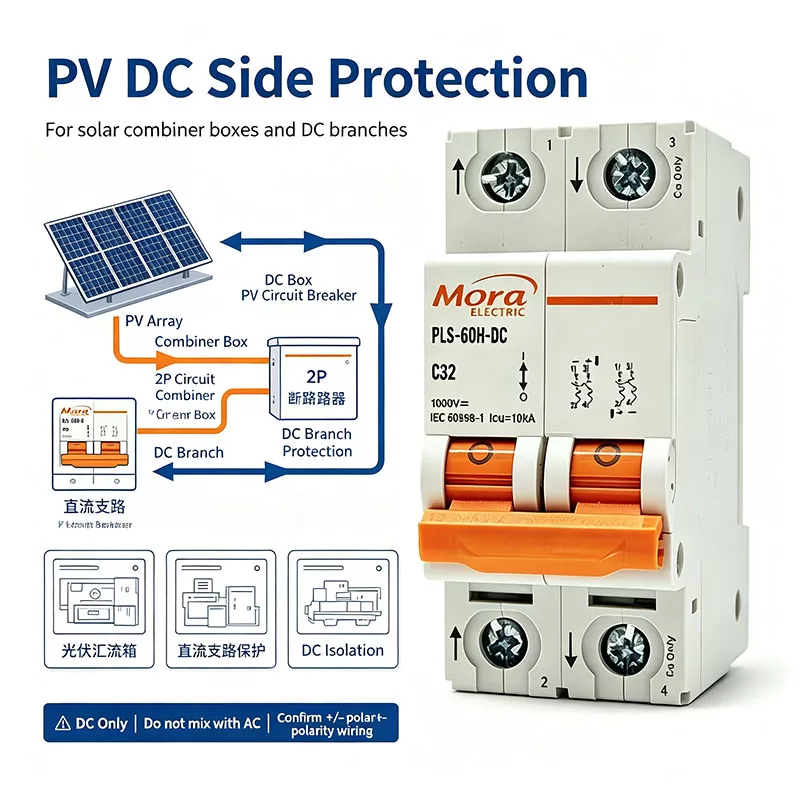
It is a dedicated DC MCB for solar PV combiner box and DC energy storage system. It provides overload and short-circuit protection, no residual current protection. 2-pole linked design. Only copper wire connection. Installed on standard 35mm DIN rail.

Product interpretation:

Mora PLS-60H-DC 2P DC Miniature Circuit Breaker (DC MCB, without leakage)

Basic Parameters

Brand: Mora

Model: PLS-60H-DC

Specification: 2P C32

C32: C-type trip, rated current of 32A

Rated DC voltage: 1000V DC

Rated short-circuit breaking ICU: 10kA

Execution standard: IEC 60898-1

Installation: 35mm standard DIN rail buckle installation

Label Cu Only: Can only connect copper wires

Product Description

DC dedicated circuit breaker, cannot be used for AC circuits, mainly used for photovoltaic solar DC combiner box and DC energy storage circuit protection

2-pole linkage, synchronized closing and breaking of two poles, isolation of DC high voltage circuit

Protection function: overload protection+short circuit protection, no leakage protection

The body is marked with polarity arrows, and the DC wiring must strictly follow the positive and negative directions, and cannot be reversed

C-trip curve, capable of withstanding photovoltaic start-up surge current, less prone to accidental tripping

⚠️ Important reminder: The arc extinguishing principle of DC circuit breakers is completely different from that of AC MCBs. It is strictly prohibited to use them as a substitute for AC circuit breakers. Incorrect use may result in arc extinguishing failure and fire risk.

Key differences from similar products

1P DC MCB vs 2P DC MCB

1P only cuts off one pole wire, which is low-cost, but the other pole may still be charged after the floating ground system is disconnected; 2P synchronous disconnection of two poles, truly achieving "power off upon pulling the switch", is a safety standard for ungrounded photovoltaic and energy storage systems.

Ordinary AC MCB vs DC MCB

AC circuit breakers rely on natural zero crossing of current to extinguish arcs; DC circuit breakers must be equipped with permanent magnet arc blowing or specialized magnetic systems. Using AC circuit breakers in DC circuits is one of the most common and dangerous misuses on construction sites - arcing reignites after tripping, causing the circuit breaker casing to burn through.

Typical application examples

A 5kW household photovoltaic project in Germany has one NC 2P DC MCB (63A, 600V DC) connected to each string. After the rainstorm in summer, one channel string MC4 connector was short circuited due to water ingress, the circuit breaker tripped within 20ms, and the positive and negative poles were disconnected at the same time; When the operation and maintenance personnel replace the connector, there is no residual voltage in the entire circuit, and the risk of live working is zero throughout the entire process. The other strings continued to be connected to the grid for power generation without triggering a total station shutdown.

A remote base station in Indonesia uses two sets of 100Ah lithium iron phosphate batteries in parallel for backup. One group of battery cells had a micro short circuit inside, and the current continued to rise to 150A. The 63A DC MCB of the circuit tripped within 10 seconds, only cutting off the faulty battery pack. The other group continued to supply power to the BBU, and the base station did not shut down. After dismantling and inspection, there was no fusion welding on the contacts and no carbonization on the shell.

Selection and installation points

1. Polarity cannot be reversed: The "+" and "-" markings on the body must be consistent with the polarity of the power supply. Reversing will change the direction of permanent magnet arc blowing, resulting in arc extinguishing failure.

2. Voltage level margin: The open circuit voltage (Voc) of the string must be lower than 0.8 times the rated DC voltage of the circuit breaker; At low temperatures, the Voc of photovoltaics will rise, so the selection should be calculated based on the lowest ambient temperature.

3. Torque specification: 2.5 N · m is the recommended value for the terminal. If it is too loose, it will heat up, or if it is too tight, it will damage the thread; It is recommended to use a screwdriver with torque calibration to tighten it uniformly.

4. Replacement is strictly prohibited: AC circuit breakers cannot be used to replace DC circuit breakers, and DC circuit breakers cannot be used for AC circuits for a long time.

PUGAO factory strength

Self owned brand Mora: Direct supply to global electrical contractors without any markup by traders. Pugao

ISO9001 quality system: From injection molding, silver contact riveting, automatic winding to finished product electrical performance testing, the entire workshop has its own. Each finished product undergoes 100% inspection for power frequency withstand voltage, trip characteristics, and instantaneous short circuit. Pugao

CE certified export: The product meets the EU Low Voltage Directive and has entered the European, Southeast Asian, Middle Eastern, and Latin American markets in bulk.

OEM/ODM flexibility: supports customer brand laser marking, neutral packaging, customized outer boxes, and ordering special current specifications.

One stop matching: The same series can be matched with DC isolation switches, surge protectors (SPDs), and photovoltaic combiner boxes for complete procurement, reducing procurement and docking costs.

2P DC Miniature Circuit Breaker2P DC Miniature Circuit Breaker

FAQ

Q: What is the difference between NC series and C65 series DC circuit breakers?

A: The NC series is positioned at a higher breaking level, reaching 10kA, with silver nickel alloy contacts for high fault current scenarios such as battery short circuits; C65 is rated at 6kA, with silver graphite contacts and a cost-effective route, suitable for conventional photovoltaic strings.

Q: Is there a higher current outside of 6A-63A?

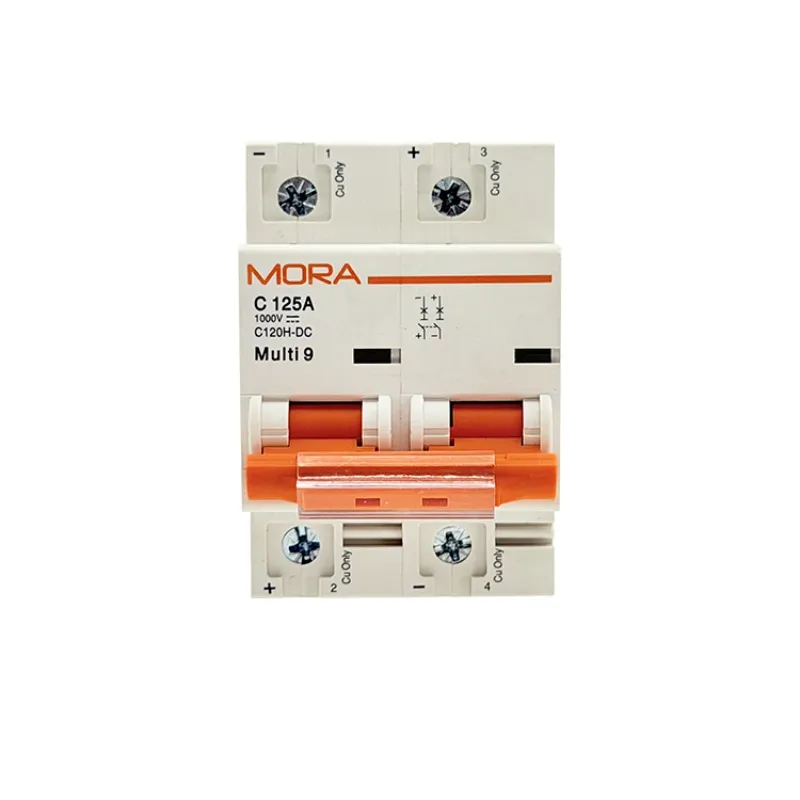
A: Yes, the NC series also has 80A, 100A, and 125A industrial models, suitable for high-power energy storage cabinets and DC bus scenarios.

Q: Can we take a sample for testing first?

A: Support small batch sample orders, provide trip curves and break test reports for customer laboratory review.

Related Category
Send Inquiry
Contact Info
For inquiries about mini circuit breaker, voltage protector, changeover switch or price list, please leave your email to us and we will be in touch within 24 hours.
X
We use cookies to offer you a better browsing experience, analyze site traffic and personalize content. By using this site, you agree to our use of cookies. Privacy Policy
RejectAccept