News

How 1 Pole AC Circuit Breaker Supports Safer Home Power Distribution Trends

2026-09-18 0 Leave me a message

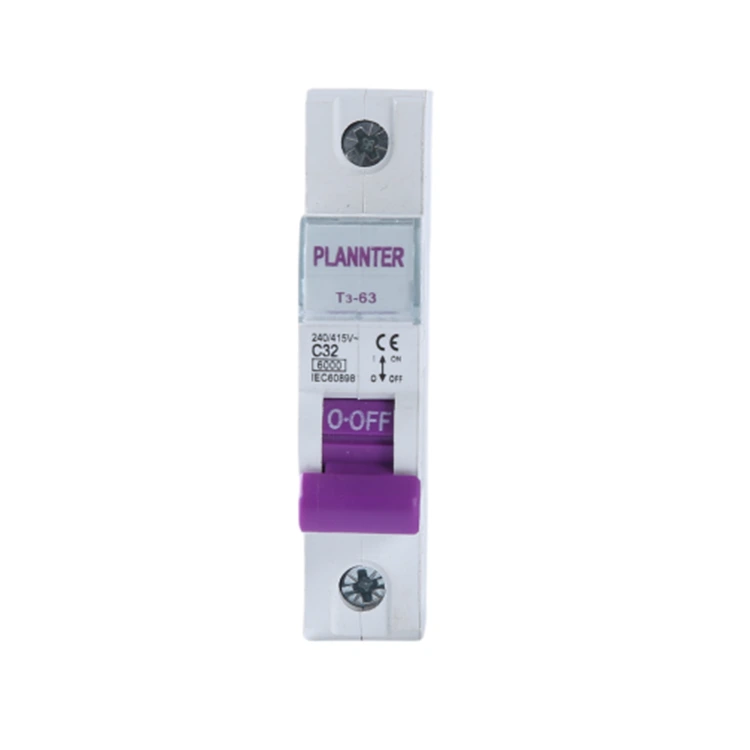
As homes add more electrical devices, 1 Pole AC Circuit Breaker technology remains an important part of safer residential power distribution, helping organize individual circuits and protect everyday electrical systems.

Modern homes are becoming more dependent on electricity than ever before. From smart appliances and home offices to electric heating equipment, solar systems, and energy storage devices, household power demand is changing. This shift is creating new expectations for residential electrical panels: they need to be more organized, easier to maintain, and capable of supporting a wider range of loads.

While discussions about future homes often focus on smart controls and connected devices, basic circuit protection remains the foundation of electrical safety. Behind many residential distribution boards, compact circuit breakers continue to perform a simple but essential role: monitoring individual circuits and disconnecting power when abnormal current conditions occur.

Residential Electricity Is Becoming More Complex

A few decades ago, many homes had relatively predictable electrical requirements. Lighting, refrigerators, televisions, and a limited number of household appliances made up most daily electricity consumption.

Today, residential electrical systems are supporting a much wider range of equipment:

Changing Home Demand Impact on Electrical Distribution
Smart home devices More individual circuits and control requirements
Home office equipment Need for stable power supply
Electric appliances Higher and more distributed loads
Solar and battery systems More complex energy flow management
EV charging equipment Increased demand on household panels

This evolution does not mean every home needs complicated electrical infrastructure. Instead, it highlights the importance of properly separating circuits and selecting suitable protection devices.

A well-organized distribution panel allows different areas and appliances to operate independently. If one circuit experiences an overload, the issue can be isolated instead of affecting the entire home.

1 Pole AC Circuit Breaker

Why Single-Pole Protection Remains Common in Homes

A typical residential electrical panel contains multiple branch circuits. Each circuit serves a specific purpose, such as lighting, kitchen outlets, bedrooms, or dedicated appliances.

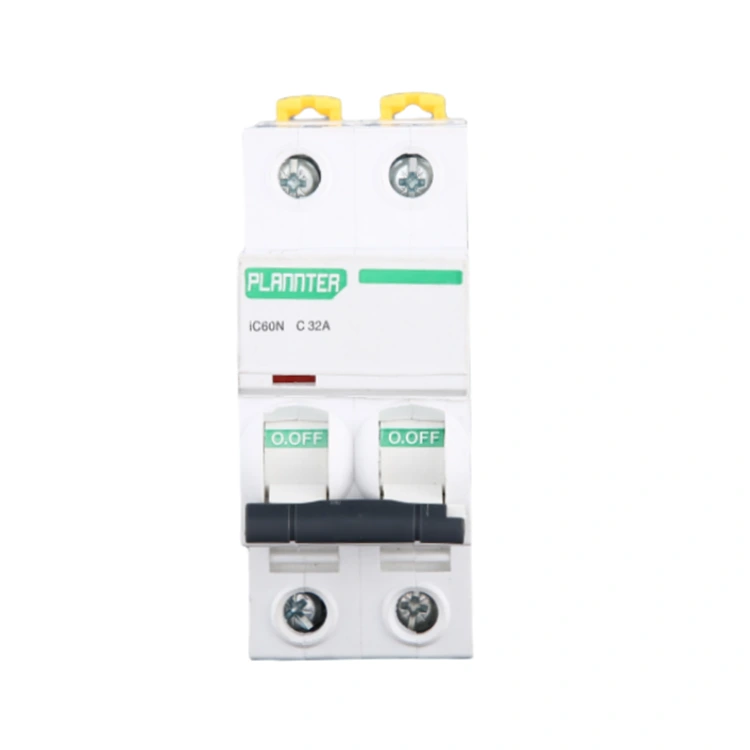
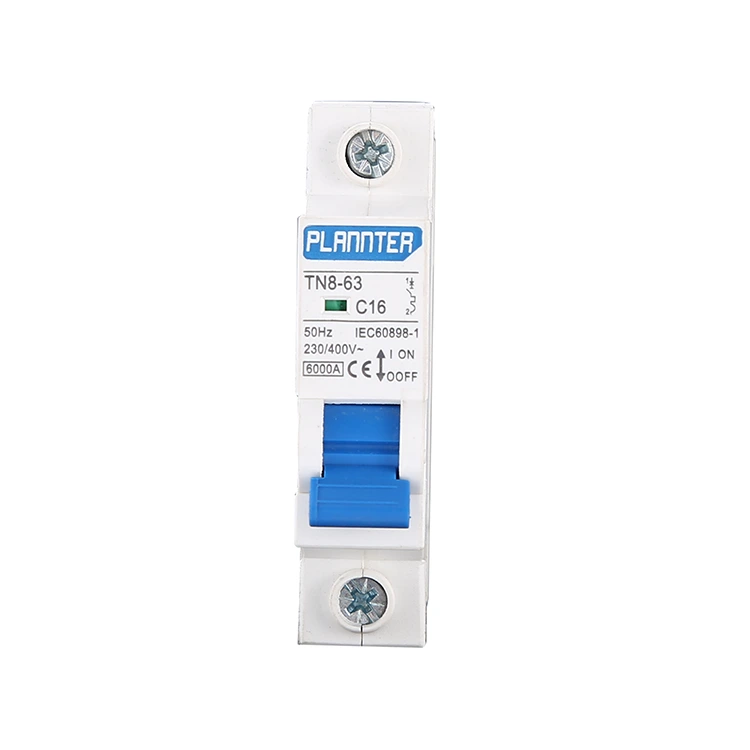
A 1 Pole AC Circuit Breaker is commonly used for single-phase branch circuit protection where one energized conductor requires switching and protection.

Its compact design allows multiple circuits to be arranged efficiently inside distribution boards, which is particularly important as residential panels need to accommodate more functions within limited installation spaces.

The basic operating principle is straightforward:

  1. Current flows through the protected circuit during normal operation.
  2. The breaker continuously monitors electrical conditions.
  3. When excessive current occurs, the breaker trips to interrupt the circuit.
  4. After inspection and correction of the problem, the circuit can be restored according to proper procedures.

This simple mechanism remains relevant even as electrical systems become more advanced.

Safety Trends Are Moving Toward Better Circuit Management

The future of home electrical systems is not only about adding more technology. It is also about improving visibility, organization, and control.

Smart electrical panels and connected breakers are receiving attention because they can provide additional information about energy use and circuit conditions. However, traditional protection devices continue to serve as the foundation of many electrical installations.

The combination of basic protection and newer monitoring technologies creates a layered approach:

1. Clear Circuit Separation

Separating household loads into individual circuits helps reduce the impact of local electrical problems. For example, a fault in a kitchen appliance circuit does not necessarily interrupt lighting throughout the home.

2. Easier Maintenance

When circuits are clearly arranged and labeled, electrical inspection becomes more efficient. Technicians can identify affected areas without examining the entire system.

3. Better Adaptation to Future Loads

As households add new electrical equipment, a structured panel layout makes future upgrades easier to manage.

The Role of Compact Circuit Breakers in Modern Panels

Space efficiency has become an important consideration in residential electrical design.

Modern distribution boards often need to accommodate:

  • More branch circuits
  • Surge protection devices
  • Energy monitoring components
  • Backup power connections
  • Communication modules
  • Compact breakers help maximize available panel space while maintaining circuit-level protection.

    For electrical system planners, the challenge is balancing physical size, rated performance, installation requirements, and long-term maintenance needs.

    Key Factors When Selecting Residential Circuit Protection

    Choosing circuit protection equipment requires more than looking at appearance or dimensions.

    Several technical factors should be considered:

    Selection Factor Reason for Importance
    Rated current Must match the intended circuit load
    Voltage compatibility Needs to correspond with the electrical system
    Breaking capacity Determines ability to interrupt fault currents safely
    Installation format Must fit the distribution board structure
    Operating environment Temperature and installation conditions affect performance
    Standards compliance Helps ensure suitability for the intended market

    These factors are especially important as residential systems become more diverse. A breaker designed for basic lighting may not be suitable for every type of connected equipment.

    From Traditional Homes to Smarter Energy Systems

    The growth of renewable energy, battery storage, and electric transportation is changing how electricity moves through residential environments.

    In the past, power generally flowed in one direction: from the grid to the home. Newer systems may include solar generation, storage batteries, and flexible energy management, creating more complex power scenarios.

    This development is increasing interest in electrical equipment that supports safer and more adaptable distribution systems. Low-voltage circuit breakers, including compact single-pole designs, remain part of this transition because they provide the basic protection layer needed in many installations.

    Everyday Protection Starts With Small Components

    Large electrical projects often attract attention because of their visible technology, but many safety functions depend on smaller components installed inside distribution panels.

    A circuit breaker may appear simple from the outside, yet it plays an important role every day. It helps separate circuits, responds to abnormal current conditions, and supports the overall reliability of residential electrical systems.

    As home energy requirements continue to evolve, the focus is shifting from simply supplying electricity toward managing electricity more safely and efficiently.

    A Practical View of Future Home Power Distribution

    The development of residential electrical systems is not only about introducing advanced digital features. It is also about improving the basic structure that supports everyday electricity use.

    A balanced approach combines proper circuit planning, suitable protection devices, and technologies that help users better understand their energy consumption.

    The continued use of 1 Pole AC Circuit Breaker solutions reflects this practical approach. By supporting organized branch circuit protection and efficient panel design, products from companies such as Zhejiang Pugao Electric Power Co., Ltd. (Pugao) represent how fundamental low-voltage electrical components remain important as residential power distribution continues to evolve.

    Related News
    Leave me a message
    X
    We use cookies to offer you a better browsing experience, analyze site traffic and personalize content. By using this site, you agree to our use of cookies. Privacy Policy
    RejectAccept