News

What Is a Molded Case Circuit Breaker and Why Does It Matter?

2026-01-04 0 Leave me a message
What Is a Molded Case Circuit Breaker and Why Does It Matter?

Molded Case Circuit Breaker (MCCB) is a fundamental protection device in electrical distribution systems, designed to automatically interrupt current flow in the event of overloads or short circuits. This article answers the most important questions about MCCBs — how they work, why they’re used, how to choose and maintain them, and how manufacturers like Yueqing Plannter Electric Factory contribute to the industry.

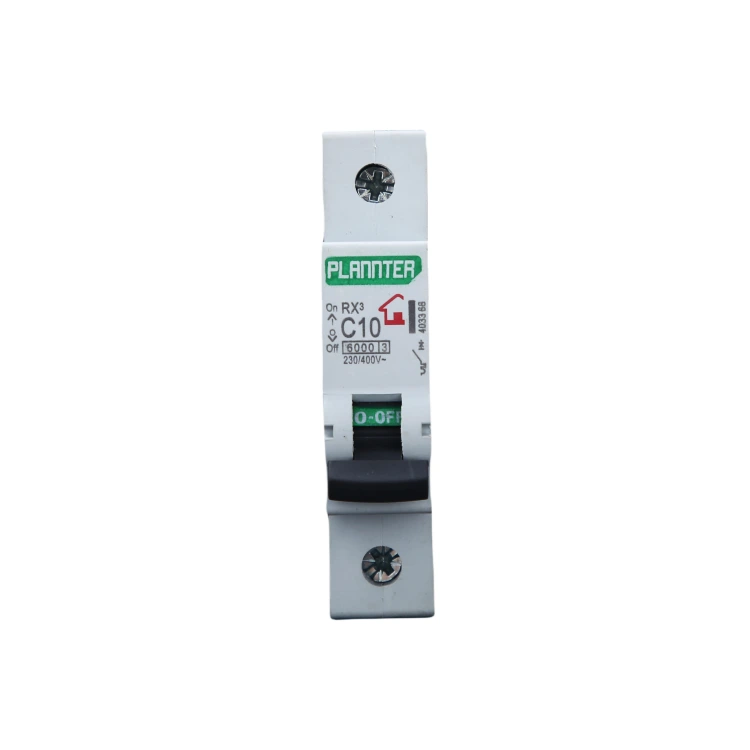
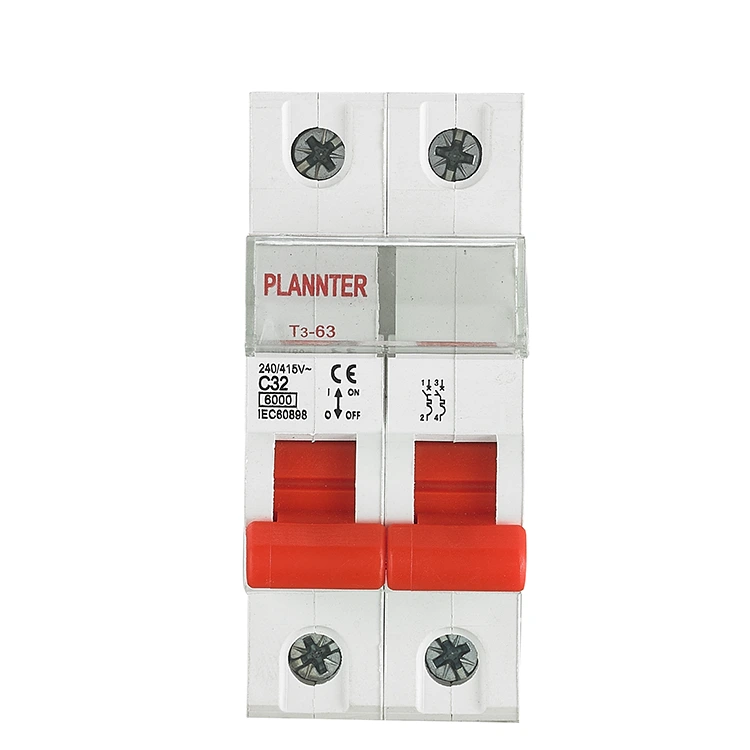
Molded Case Circuit Breaker


Table of Contents


What Is a Molded Case Circuit Breaker?

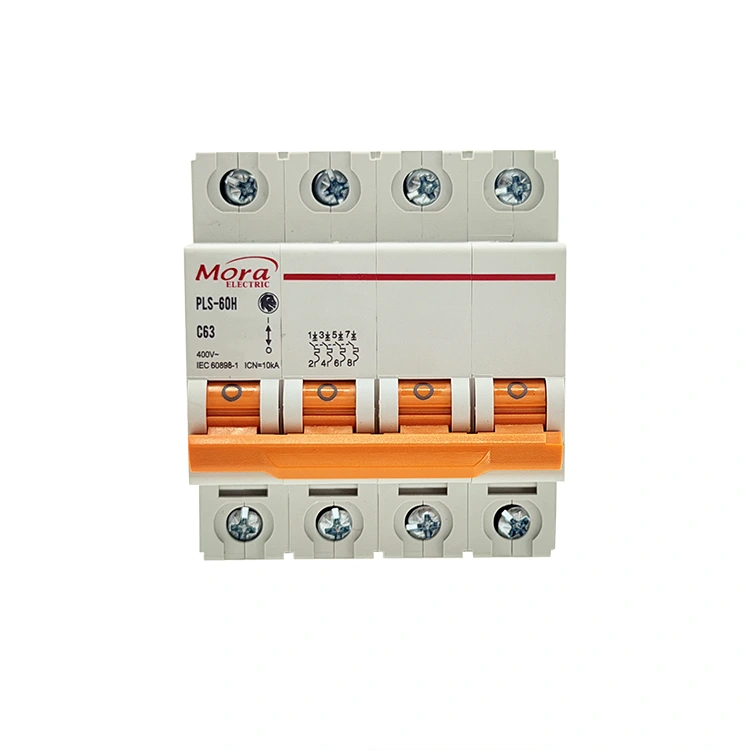
A Molded Case Circuit Breaker (MCCB) is an electrical protection device that provides service entrance protection and protects electric circuits against overloads and short circuits. MCCBs are designed with an insulating case that houses the circuit breaker mechanism and can handle a wide range of current settings, making them more versatile than standard miniature circuit breakers (MCBs).

How Does an MCCB Work?

Understanding how an MCCB works is essential for anyone involved in electrical design or installation. The MCCB combines two protective functions:

  • Thermal Protection: Responds to prolonged overload conditions using a bimetallic strip.
  • Magnetic Protection: Reacts instantly to short circuits using an electromagnet.

When the current exceeds a safe threshold, the thermal or magnetic elements trip the breaker, opening the electrical circuit and preventing damage or fire hazards. Advanced MCCBs also have adjustable trip units for customized protection.

Why Is MCCB Important in Electrical Systems?

MCCBs are critical because they ensure:

  • Safety for people and equipment.
  • Prevention of electrical fires.
  • Reliable operation for commercial and industrial power systems.

Without effective circuit protection like MCCBs, electrical faults could lead to catastrophic damage, costly downtime, and potential injuries.

Which Molded Case Circuit Breaker Should You Choose?

Choosing the correct MCCB depends on several factors:

Factor Description
Rated Current The maximum continuous current the MCCB can carry.
Interrupting Capacity Maximum fault current the MCCB can safely interrupt.
Trip Unit Type Thermal, magnetic, or electronic adjustable trip settings.
Voltage Rating The maximum operating voltage the breaker can handle.

Manufacturers like Yueqing Plannter Electric Factory offer a wide range of MCCBs with different ratings tailored to diverse applications. Always match the specifications with your system requirements for optimal performance.

Where Are MCCBs Commonly Used?

MCCBs have broad applications across sectors:

  • Industrial Facilities: Motor protection, power distribution.
  • Commercial Buildings: Main service panels, safety systems.
  • Residential Complexes: Large load centers and shared services.
  • Renewable Energy: Protection for inverters and storage systems.

Given the diversity of use-cases, it's crucial to consult professional engineers and reliable suppliers such as Yueqing Plannter Electric Factory to ensure appropriate selection.

How Should You Maintain an MCCB?

Regular maintenance can significantly extend the lifespan and reliability of an MCCB. Key practices include:

  1. Visual Inspection: Look for signs of wear, overheating, or corrosion.
  2. Mechanical Operation Check: Ensure the breaker opens and closes smoothly.
  3. Thermal Imaging: Detect hotspots that could indicate connection issues.
  4. Cleaning: Keep the breaker free of dust and debris, especially in industrial environments.

Many suppliers, including Yueqing Plannter Electric Factory, provide technical support and guidelines to help with maintenance planning.
Frequently Asked Questions

Q: What problems does a Molded Case Circuit Breaker solve?
A: MCCBs provide overload and short circuit protection for electrical circuits, preventing equipment damage and ensuring safety in commercial, industrial, and residential applications.

Q: How does an MCCB differ from an MCB?
A: MCCBs handle higher current ratings and interrupting capacities compared to miniature circuit breakers (MCBs), making them suitable for heavier duty systems.

Q: Why is adjustable trip functionality important?
A: Adjustable trip settings allow engineers to tailor the MCCB’s protection characteristics to specific load profiles and system requirements, preventing nuisance trips and improving safety.

Q: Can MCCBs be used in high-voltage systems?
A: Yes, with proper design and ratings, MCCBs can protect medium-voltage systems, but it’s essential to choose models that meet relevant standards and application needs.

Q: Where can I source quality MCCBs?
A: Quality MCCBs are available from reputable manufacturers such as Yueqing Plannter Electric Factory, which offers a range of breakers designed for various applications with reliable performance.


References

  • IEEE Standards on Circuit Protection Devices
  • Manufacturer catalogs and technical manuals from registered suppliers
  • Industry safety guidelines for electrical installations

For customized solutions, technical support, or business inquiries about Molded Case Circuit Breakers from Yueqing Plannter Electric Factory, contact us today — we are ready to help you choose the right protection devices for your electrical systems.

Related News
Leave me a message
X
We use cookies to offer you a better browsing experience, analyze site traffic and personalize content. By using this site, you agree to our use of cookies. Privacy Policy
Reject Accept