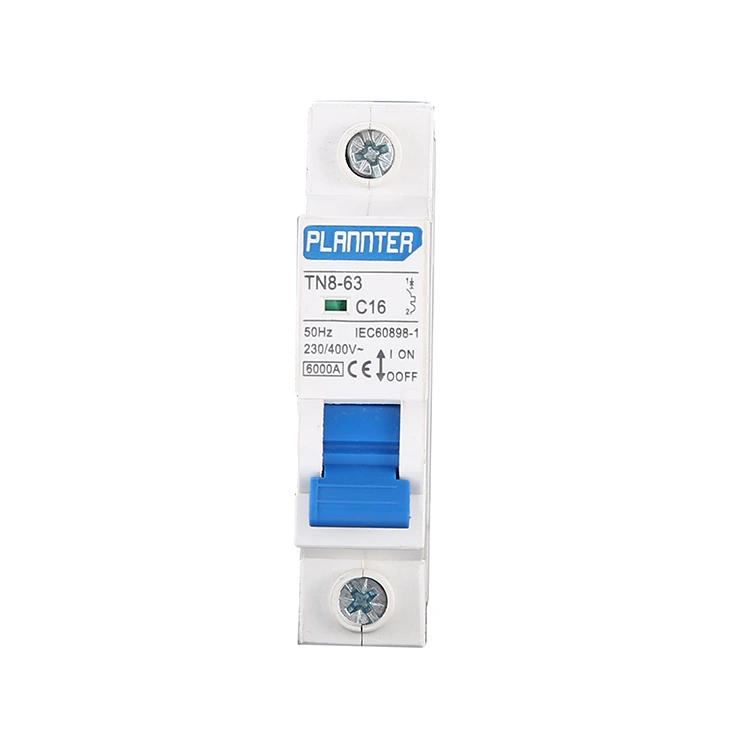
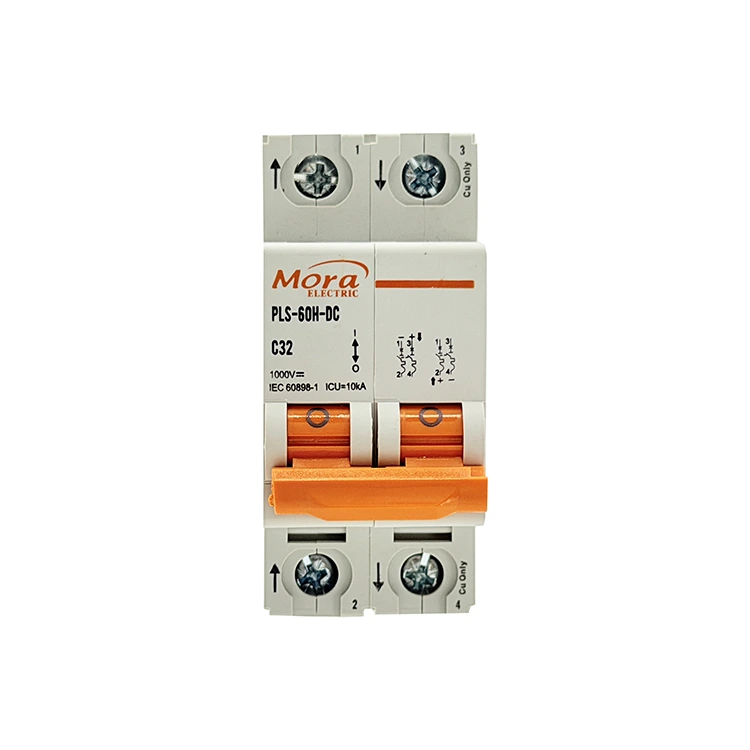
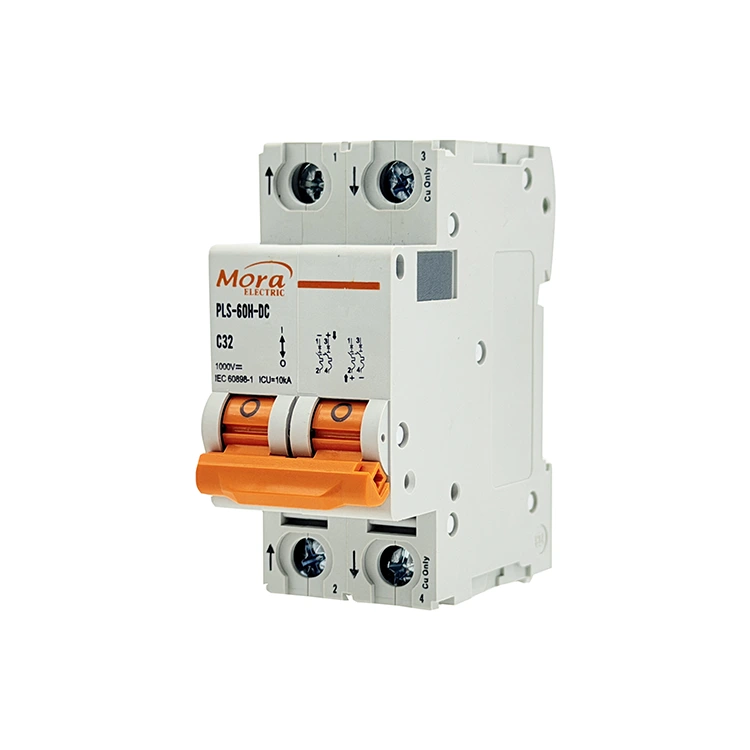
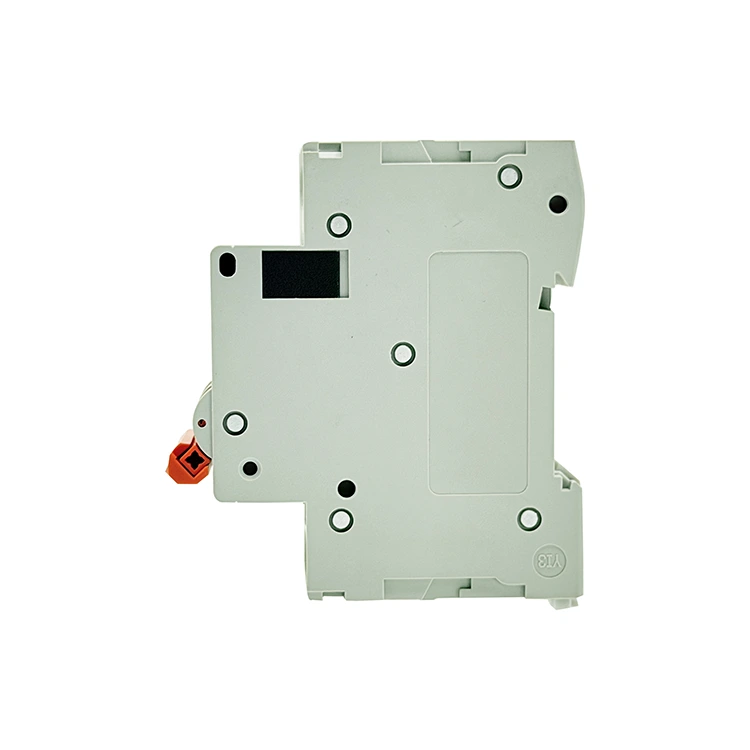
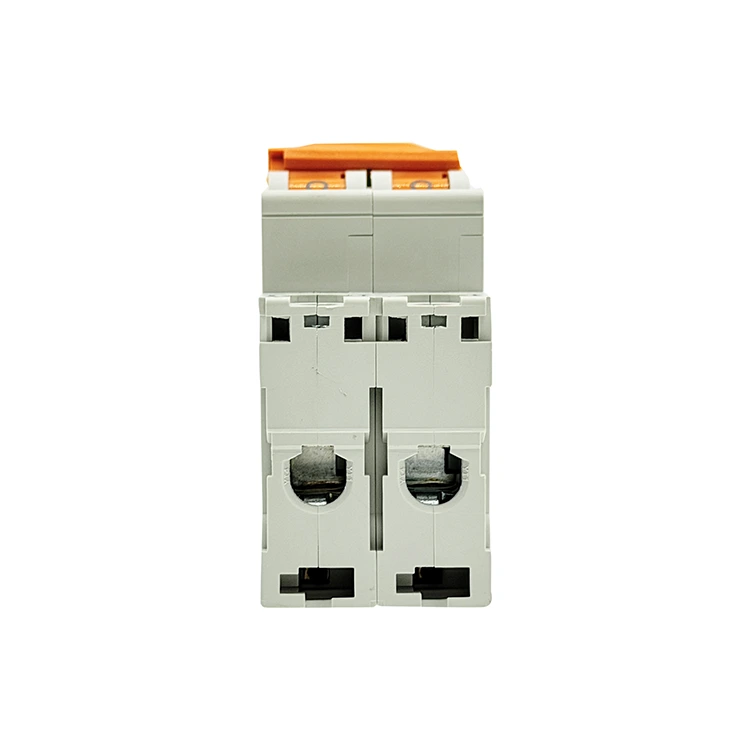
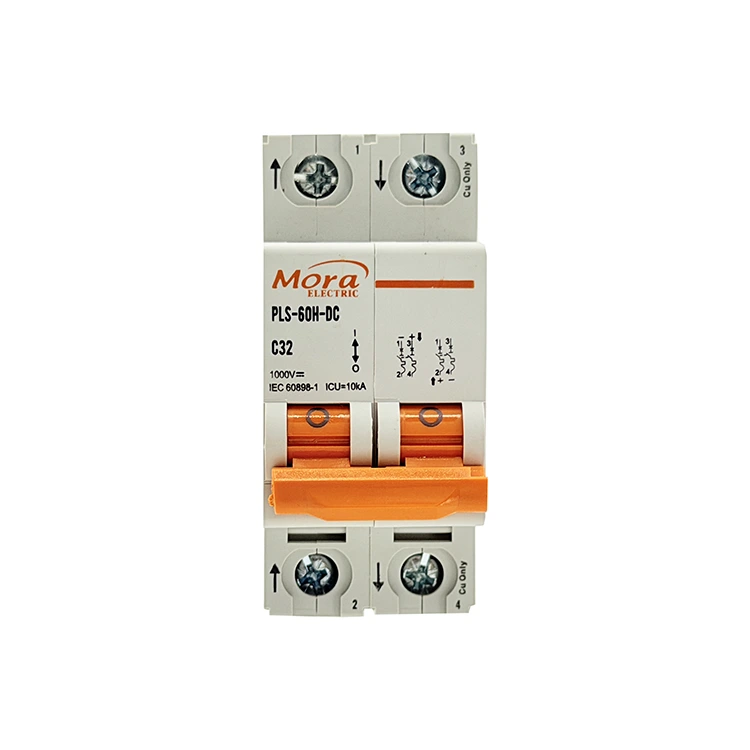
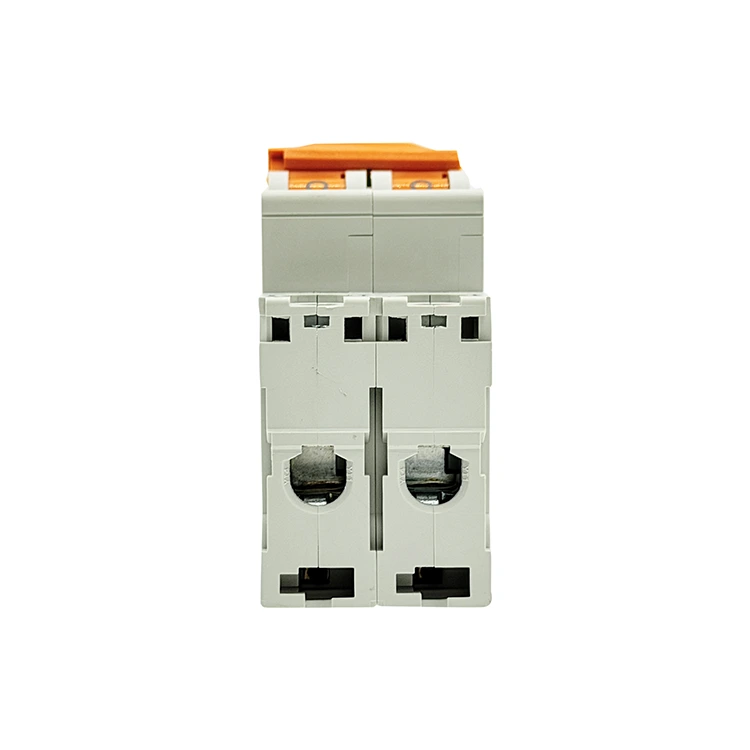
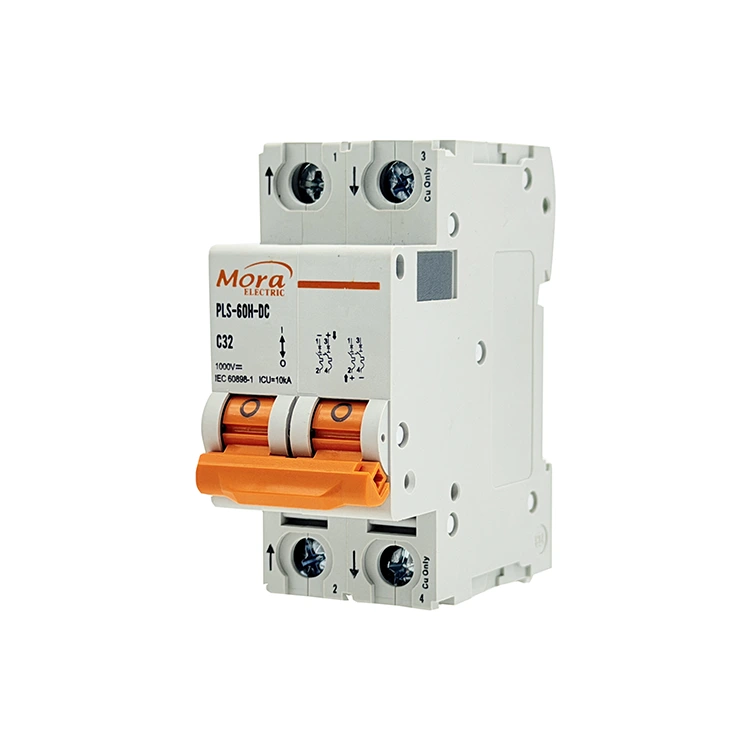
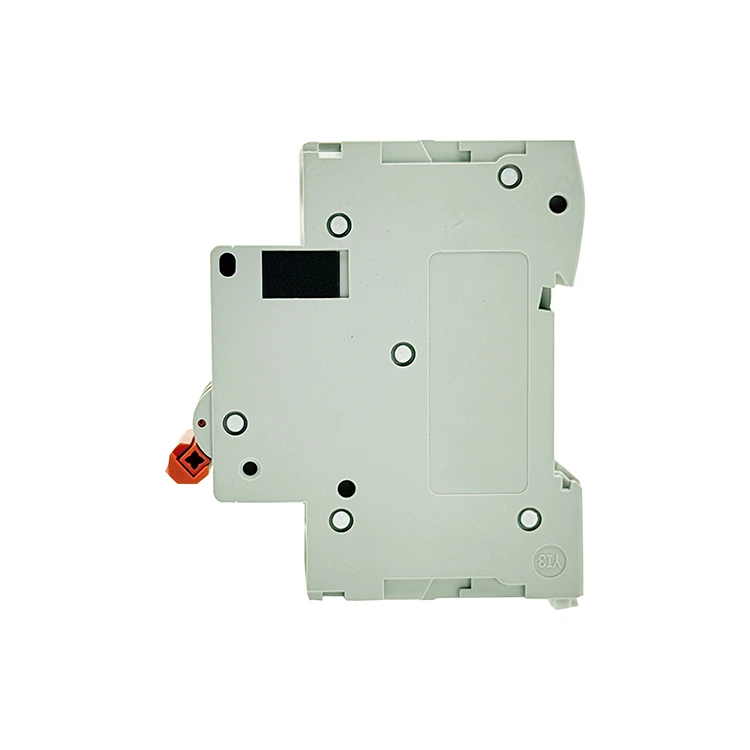
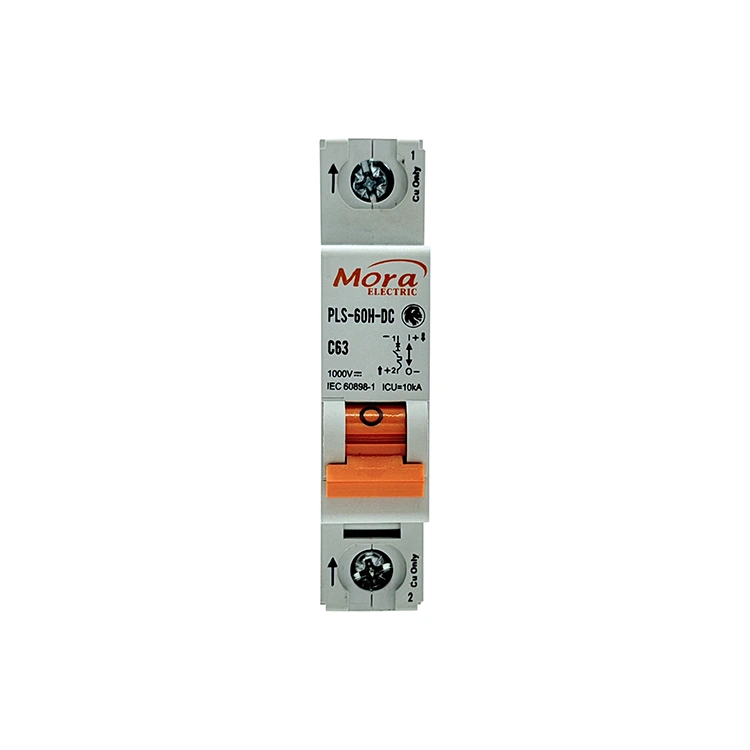
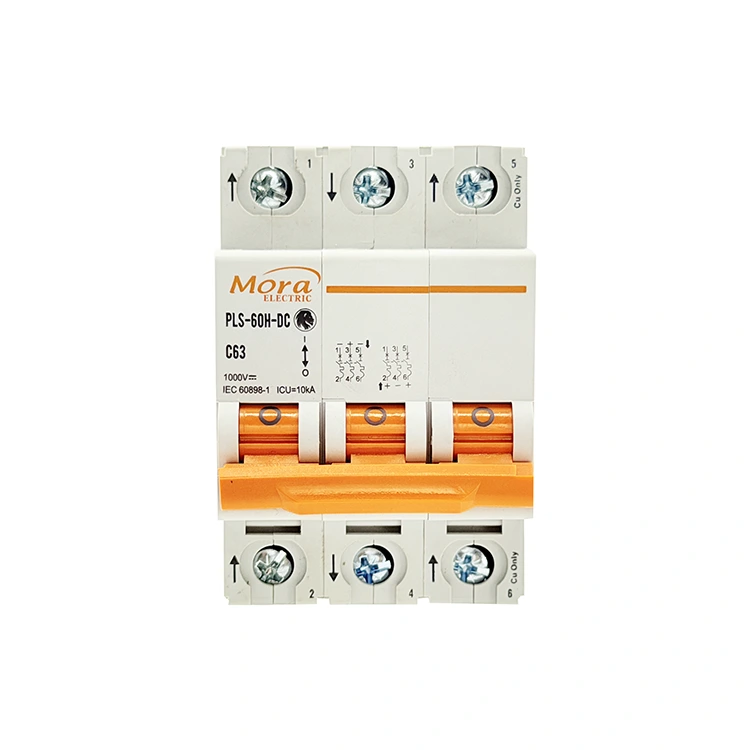
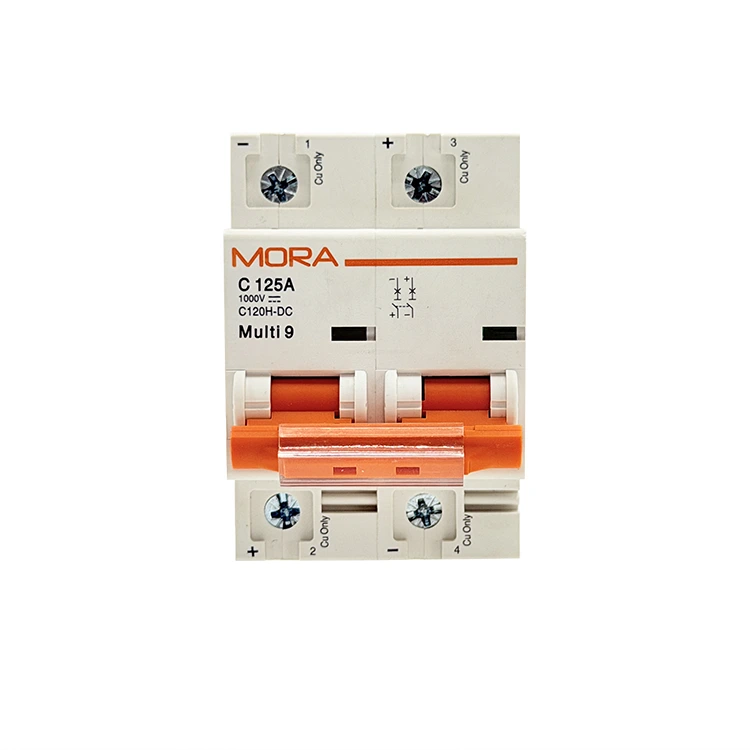
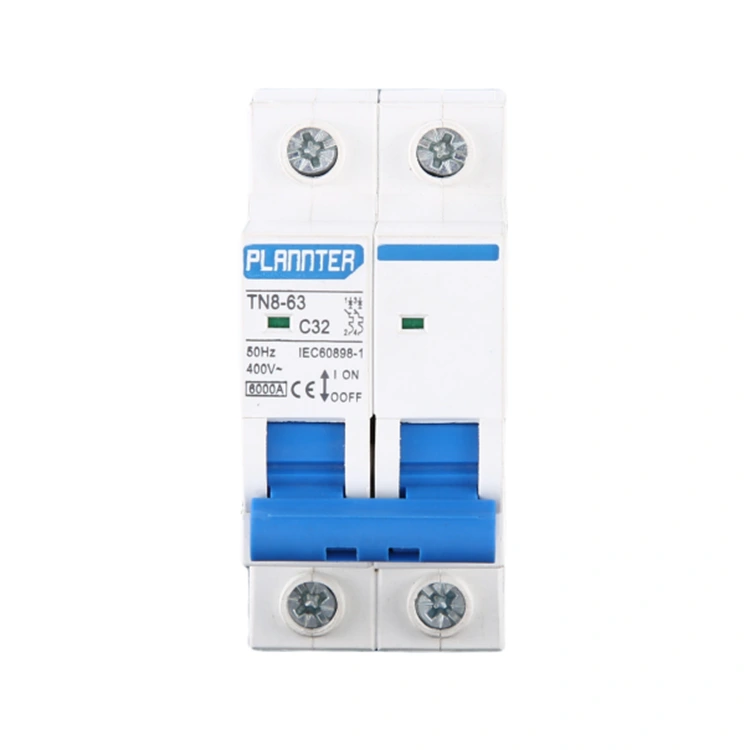
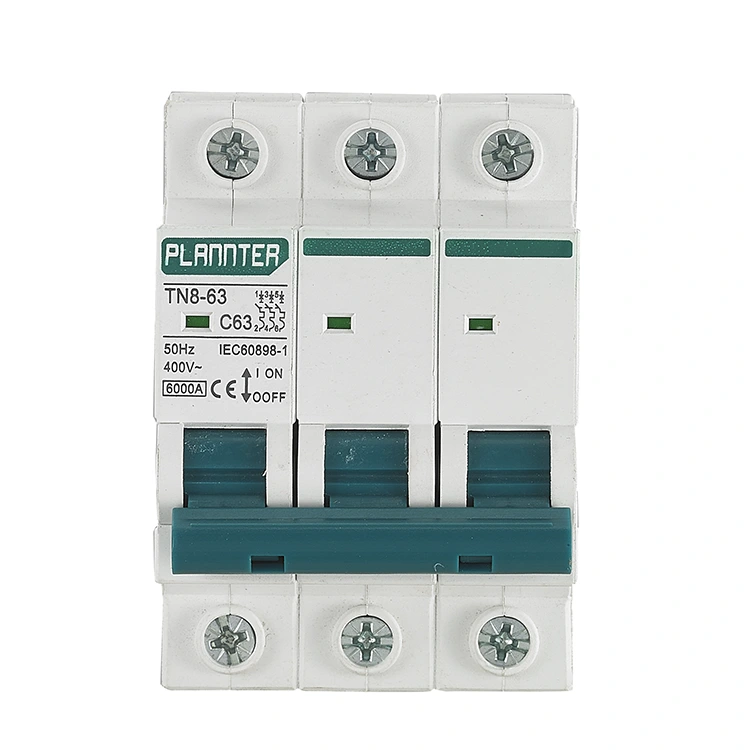
PUGAO, with its own brand, Mora, offers global electrical contractors a direct factory route to buy C65 2 Pole DC Circuit Breaker units engineered for multi-pole isolation, providing robust short-circuit and overcurrent protection for specialized two-wire floating solar arrays and heavy-duty 500V DC energy storage configurations.
As a trusted C65 2 Pole DC Circuit Breaker factory based in China, PUGAO (Mora) manufactures multi-pole low-voltage switches designed to break both positive and negative lines simultaneously; this 2P thermal-magnetic breaker relies on automated spot-welding and high-capacity dual magnetic arc chambers to handle demanding telecom and photovoltaic demands.
Technical Definition
The C65 2 Pole DC Circuit Breaker is an integrated electromechanical safety device built to manage and interrupt higher voltage direct current (DC) loops up to 500V. While single-pole alternatives only interrupt one side of a line, a 2-pole configuration handles both the positive and negative conductors simultaneously. This dual-line interruption provides complete galvanic isolation and is crucial for ungrounded floating networks.
Our 2P miniature circuit breaker bonds two independent poles with an internal common-trip mechanism. If either pole detects a fault, both lines open instantly, preventing voltage from back-feeding through the remaining conductor.
500V Floating Solar PV Arrays
In solar arrays where the system voltage is stepped up to maximize inverter efficiency, grounding the negative line is often impractical. The C65 2 Pole DC Circuit Breaker is wired into the positive and negative outputs of a PV string. By isolating both polarities, it completely removes potential-to-ground shock hazards during daytime maintenance loops.
High-Capacity Battery Energy Storage Systems
Industrial battery banks and off-grid solar storage configurations often run on 120V to 400V DC setups. A single-pole device cannot safely clear a double-earth fault in these circuits. Implementing this 2-pole system ensures that short circuits anywhere in the battery enclosure trigger a clean, comprehensive shutdown.
Electric Vehicle Rapid Charging Infrastructures
Commercial fast-charging stations use high-voltage DC paths to transfer energy into vehicle batteries. This circuit breaker acts as a local isolation checkpoint between the internal rectifier sub-circuit and the primary dispensing cord, giving service technicians a mechanical method to cut off all power lines at once.
Technical Specifications
The performance limits and raw materials listed below are verified through automated testing workbenches on our production floor:
Technical Parameter
Stamped Operating Value
Engineering Application Context
Rated Operating Voltage
Up to 500V DC
Suitable for series-connected high-voltage solar strings.
Rated Current Range
6A, 10A, 16A, 20A, 25A, 32A, 40A, 50A, 63A
Provides precise overcurrent matching for industrial wiring.
Breaking Capacity
6,000 Amperes (6kA)
Maximum interruptible fault current without housing damage.
Casing Composition
V0-Grade Polyamide 66 (PA66)
Flame-retardant; zero ignition under 960°C glow-wire test.
Contact Composition
Industrial Silver-Graphite
Formulated to resist contact welding during high-amperage faults.
Configurable for standard electronics or highly inductive motors.
Mounting Configuration
35mm Standard DIN Rail
Drops directly into universal modular distribution boxes.
Technical Benefits of C65 2 Pole DC Circuit Breaker
1. Dual-Pole Synchronous Trip Linkage
When a high-voltage short circuit happens on one rail, an asymmetrical voltage spike can damage your inverters or data servers. Our C65 2 Pole DC Circuit Breaker features an internal mechanical trip bar linking both internal poles. Even if a short circuit occurs exclusively on the positive rail, the internal linkage mechanically forces both poles open within 5 milliseconds, removing potential hazard vectors from the entire sub-circuit.
Higher DC voltages generate longer, more intense electrical arcs when contacts separate. To counter this, our 2P breaker channels the current path through two distinct arc chambers in series. Each chamber contains built-in permanent magnets that use electromagnetic force to stretch the arc and push it into two individual 9-plate steel cooling grids. This dual-chamber design splits the arc voltage, quenching 500V DC energy faster than a single-pole layout.
3. Automated Manufacturing and Consistent Calibration
Variations in internal assembly can cause one pole to lag behind the other during a trip event, creating transient line imbalances. PUGAO (Mora) eliminates this human variable by using a fully automated production line for our miniature circuit breakers. Punching, spot-welding, and internal component placement are managed by automated machinery, ensuring identical internal resistances and synchronous mechanical timing across both poles.
Common Diagnostic Field Solutions
• The circuit breaker trips immediately when switched to the 'ON' position
Root Cause: A direct dead short exists between the positive and negative distribution wires downstream, or a grounding fault has occurred in an ungrounded system.
Solution: Isolate the breaker. Use an insulation resistance tester (megohmmeter) on the downstream wiring harness to locate shorted conductors or broken insulation jackets. Ensure total continuous current does not exceed the nominal rating.
• Localized melting or scorching appears on one terminal port
Root Cause: The terminal screw was not tightened to the recommended torque during installation, or mismatched wire sizes caused the copper strands to twist loose.
Solution: Cut away any charred or oxidized cable ends. Re-strip the insulation, insert the clean wire core fully into the tunnel-type terminal clamp, and use a calibrated tool to torque the screw to 2.5 Nm.
Technical FAQ
Why must a 500V DC system utilize a 2-pole breaker rather than wiring two single-pole breakers side-by-side?
Independent single-pole breakers lack an internal mechanical linkage. If a fault occurs, one breaker might open a fraction of a millisecond before the other, or one might fail to trip entirely. This leaves the opposite rail fully energized and back-feeding voltage into the system, endangering service personnel and causing equipment damage.
What happens inside the dual arc chambers if the incoming positive and negative lines are cross-wired?
Cross-wiring changes the direction of the current loop through the internal components. When the contacts break, the internal permanent magnets will pull the electrical arc downward toward the mechanical latching mechanisms instead of pushing it up into the steel cooling grids. The trapped arc will rapidly melt the internal components and the PA66 outer housing.
How does high ambient heat inside outdoor solar combiner enclosures affect the performance of this 2-pole device?
Our bimetallic thermal overload elements are calibrated to a standard 30°C baseline. If poor box ventilation combined with ambient heat pushes internal temperatures to 55°C, the internal elements inside the C65 2 Pole DC Circuit Breaker expand ahead of schedule. This shifts the effective thermal trip threshold down to approximately 83% of its rated nameplate value, which requires either active ventilation or derating the target load.
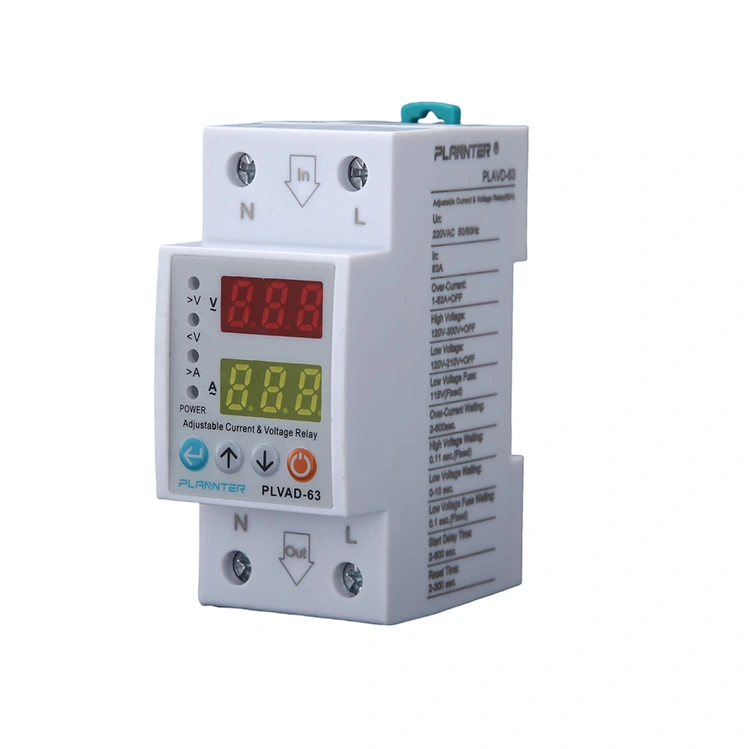
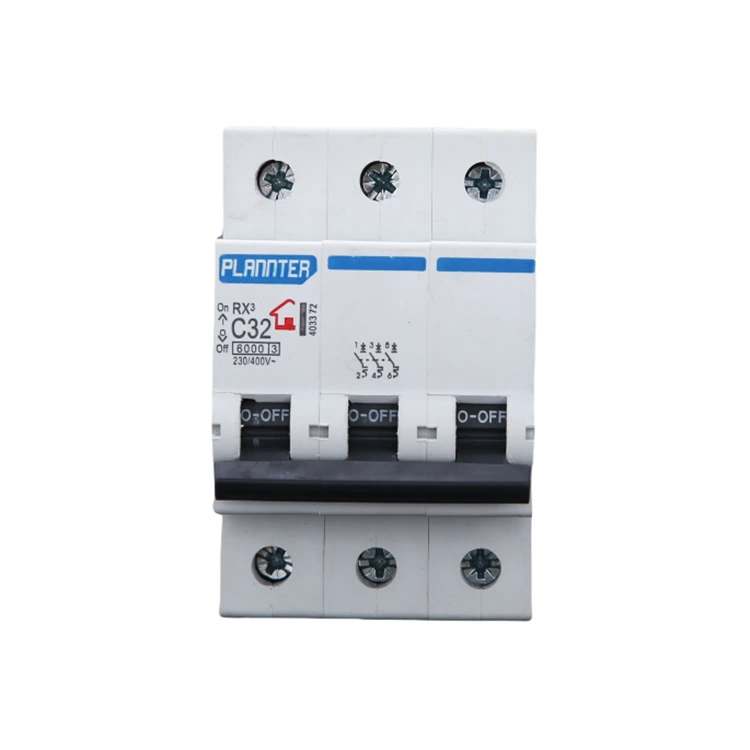
For inquiries about mini circuit breaker, voltage protector, changeover switch or price list, please leave your email to us and we will be in touch within 24 hours.
We use cookies to offer you a better browsing experience, analyze site traffic and personalize content. By using this site, you agree to our use of cookies.Privacy Policy