News

The role of ​miniature circuit breakers

2025-10-17 0 Leave me a message

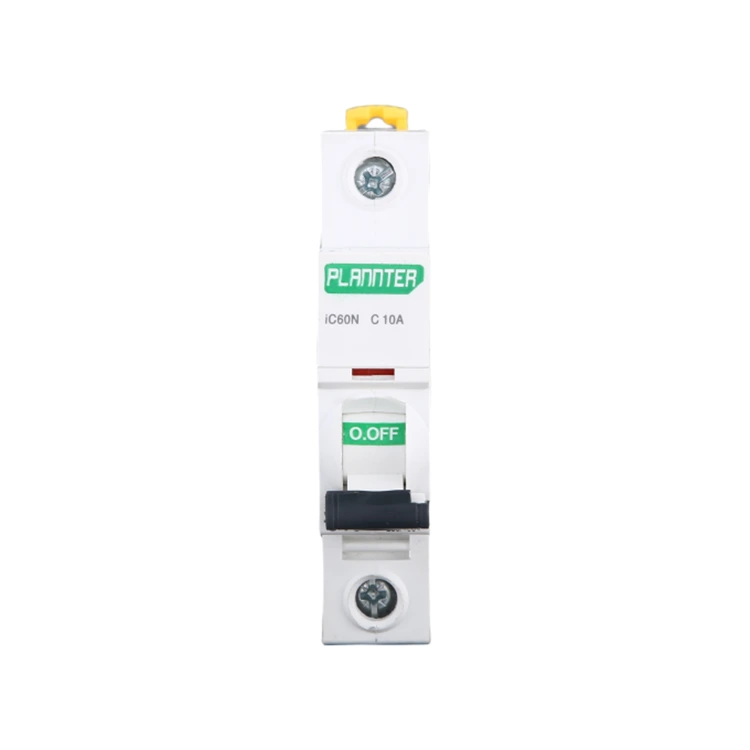
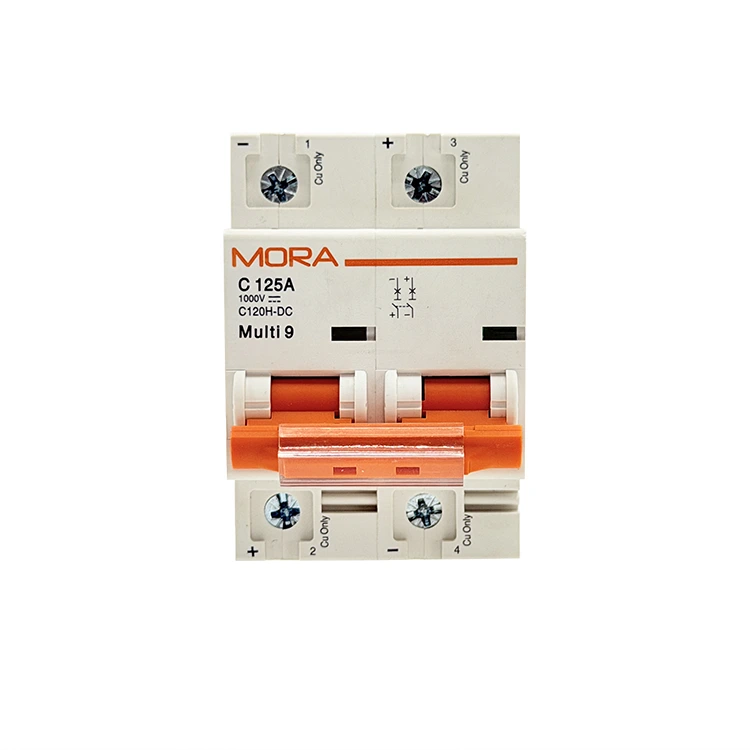
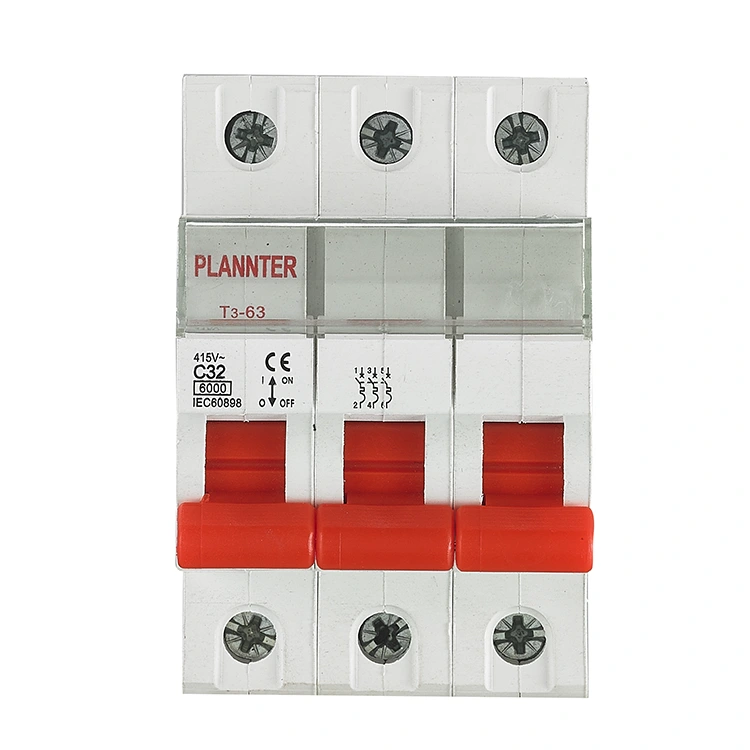
Miniature circuit breakers (MCBs) are overcurrent protection devices widely used in low-voltage power distribution systems, primarily for overload and short-circuit protection and infrequent switching operations. Their core functions include:


1. Overload Protection


When the line current exceeds a set threshold (e.g., a sustained current of 1.45 times the rated current), the circuit breaker disconnects the circuit via a thermal trip mechanism, preventing overheating and fires caused by wires. For example, in the summer, when air conditioning is running for extended periods and current exceeds the limit, the MCB can activate promptly.


2. Short-Circuit Protection


When a short-circuit fault generates a transient high current, the electromagnetic trip device quickly disconnects the circuit within milliseconds, limiting the scope of the fault. In industrial scenarios, this feature can prevent production lines from being paralyzed by short circuits.


3. Undervoltage Protection (select models)


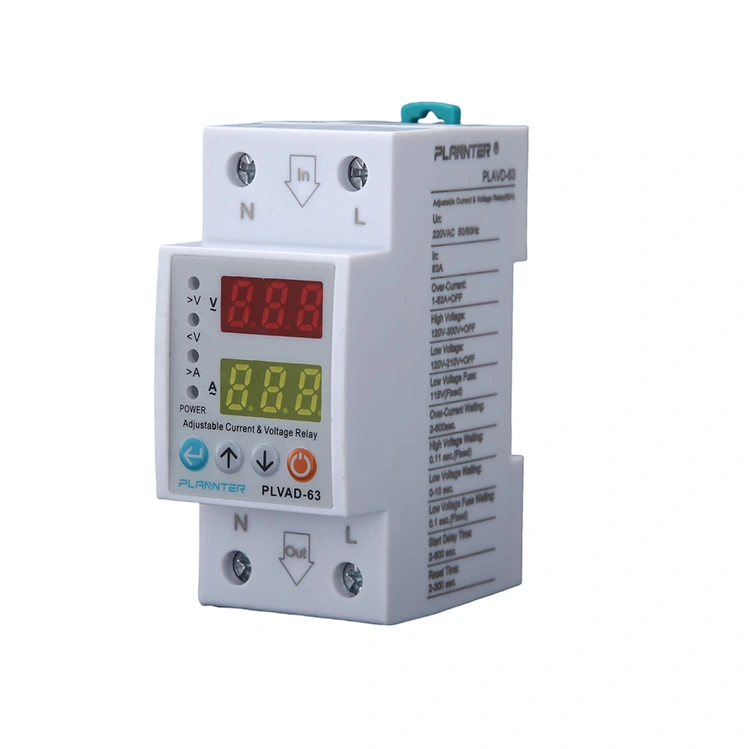
When the voltage drops significantly or a power outage occurs, the undervoltage trip device releases its armature, shutting off power and requiring a manual reset to prevent equipment from operating at abnormal voltages.


4. Line Operation Switching


Under normal operating conditions, it can be used as an infrequent circuit on/off switch, suitable for equipment maintenance or temporary power supply adjustments.


00:00 The Importance of Miniature Circuit Breakers

00:14 Early Circuit Protection Systems

00:31 Advantages of Miniature Circuit Breakers

00:41 Working Principles of Miniature Circuit Breakers

01:19 Short-Circuit Protection Mechanisms

01:31 Arc Hazards and Arc-Quenching Components

01:48 Overload Protection Mechanisms

02:11 The Difference Between Short-Circuit and Overload


Application Scenarios

Residential: Protects circuits such as lighting and sockets, with each circuit requiring a separate configuration (e.g., 20A for a kitchen and 16A for a light cord).

Commercial Buildings: Ensures stable operation of systems such as air conditioners and elevators in shopping malls and office buildings.

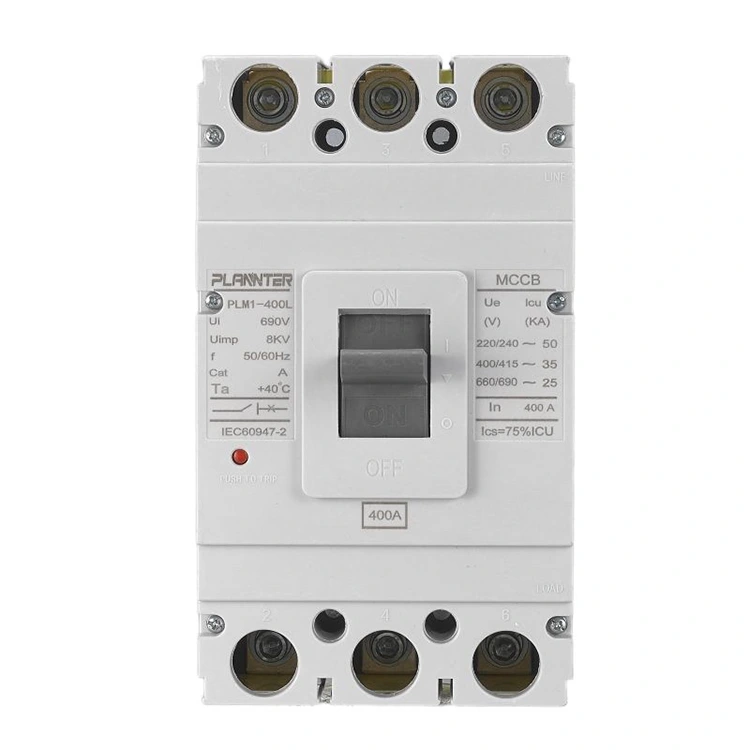
Industrial: Provides end-of-line protection for production equipment, forming a tiered protection system with industrial-grade circuit breakers (such as MCCBs).


Technical Standards

Must comply with T/CEEIA 255-2016 and other standards, requiring a mechanical lifespan of 4,000 cycles or higher, insulation resistance to temperatures up to 750°C, and clear marking of rated current and breaking capacity.


Related News
Leave me a message
X
We use cookies to offer you a better browsing experience, analyze site traffic and personalize content. By using this site, you agree to our use of cookies. Privacy Policy
Reject Accept