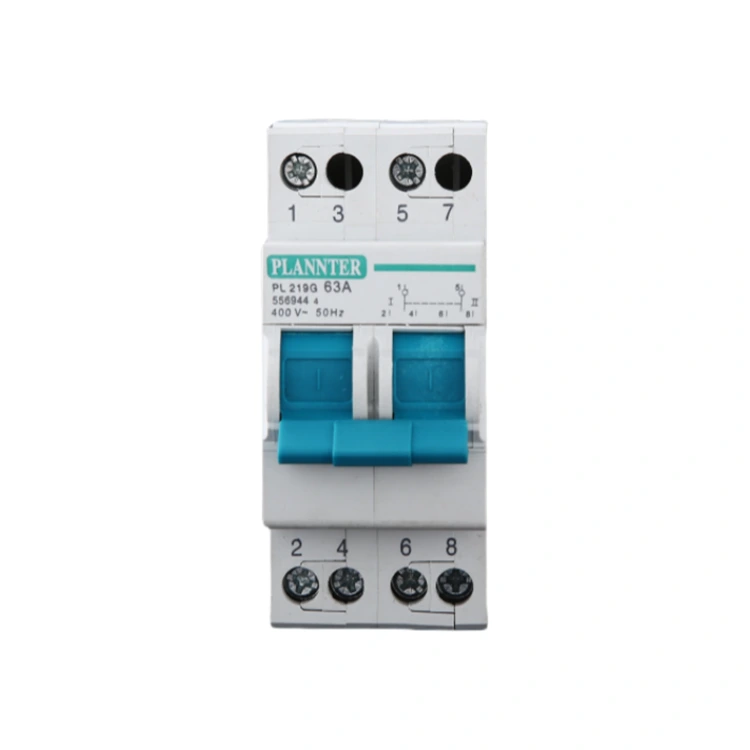
Pugao Electric explores how a 1 Pole AC Circuit Breaker responds to today’s solar backfeeding challenges and changing power distribution needs.
The rapid growth of rooftop solar systems has changed the traditional relationship between electricity generation and consumption. In the past, most residential and small commercial circuits followed a simple direction: electricity moved from the grid to the load. Today, solar panels can send excess power back into the electrical network, creating a condition known as solar backfeeding.
This change has raised a practical question for electrical system designers and maintenance teams: can a compact protection device such as a 1 Pole AC Circuit Breaker continue to provide reliable protection when power flow becomes more dynamic?
The answer depends on several factors, including breaker design, rated capacity, installation conditions, and whether the electrical system has been properly configured. A circuit breaker is not simply an on-off switch; it is a safety component designed to respond when abnormal current conditions occur.
With more than a decade of experience in low-voltage electrical equipment production, Zhejiang Pugao Electric Power Co., Ltd. (Plannter Electric) has observed how modern power applications are creating new expectations for circuit protection, especially in distributed energy environments.
Solar backfeeding happens when a solar system produces more electricity than the connected equipment needs. The additional electricity flows back toward the distribution network instead of being consumed immediately.
For example:
A home has solar panels installed on the roof. During a sunny afternoon, the panels generate 5 kW of electricity, but the home appliances only use 2 kW. The remaining 3 kW may flow back into the electrical system.
This situation does not automatically mean a protection problem exists. Modern electrical systems are designed to manage two-way energy movement. However, every protective component must match the requirements of the application.
The main concerns usually include:
| Electrical Concern | Why It Matters |
|---|---|
| Current direction changes | Protection devices need reliable operation under different power flow conditions |
| Overcurrent protection | Excessive current can damage wiring and connected equipment |
| Installation compatibility | Breakers must match system voltage and application standards |
| Long-term reliability | Frequent switching conditions require stable mechanical performance |
The important point is that solar backfeeding does not make a circuit breaker ineffective. Instead, it highlights the need for correct selection and system planning.
Many people assume that larger electrical systems always require larger and more complex protection devices. In reality, small protection components continue to play an important role in distributed power applications.
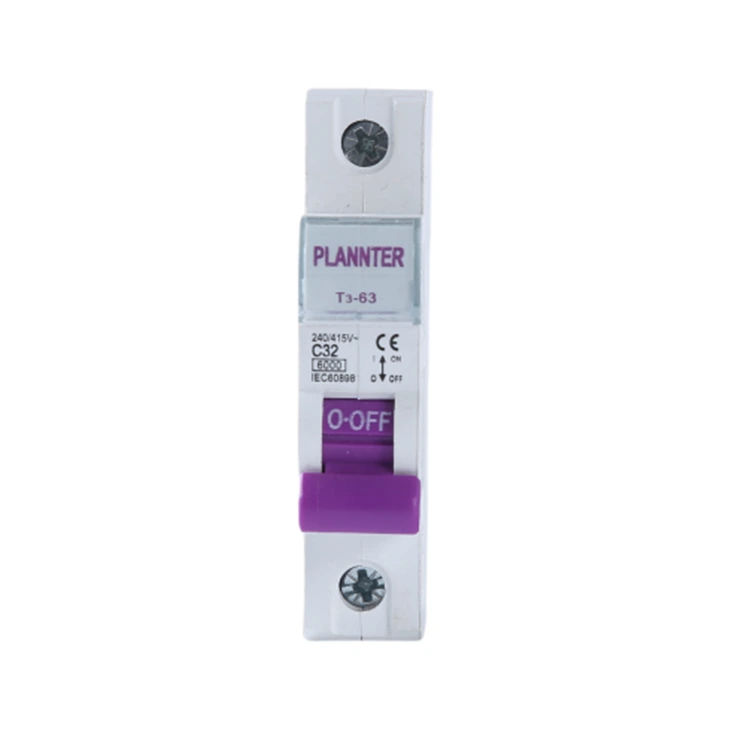
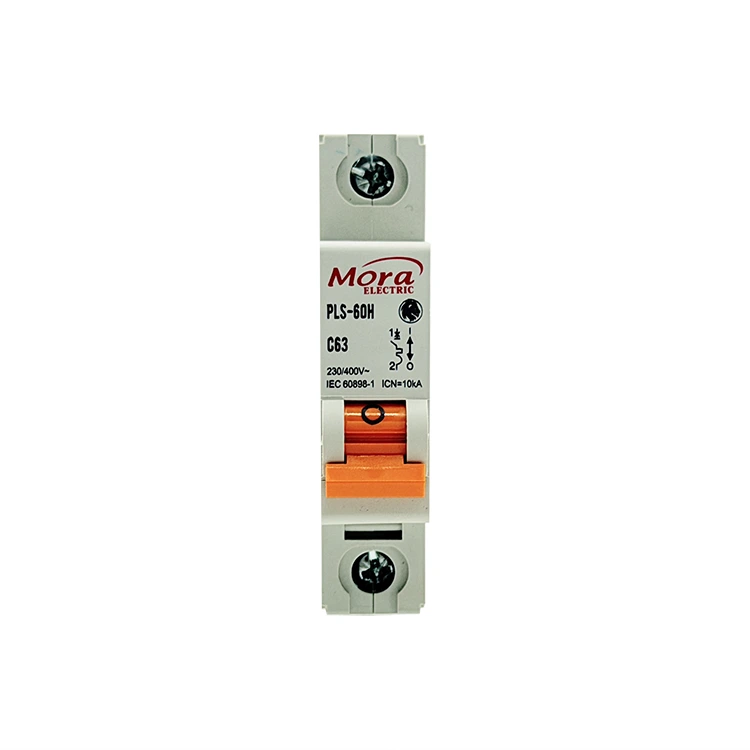
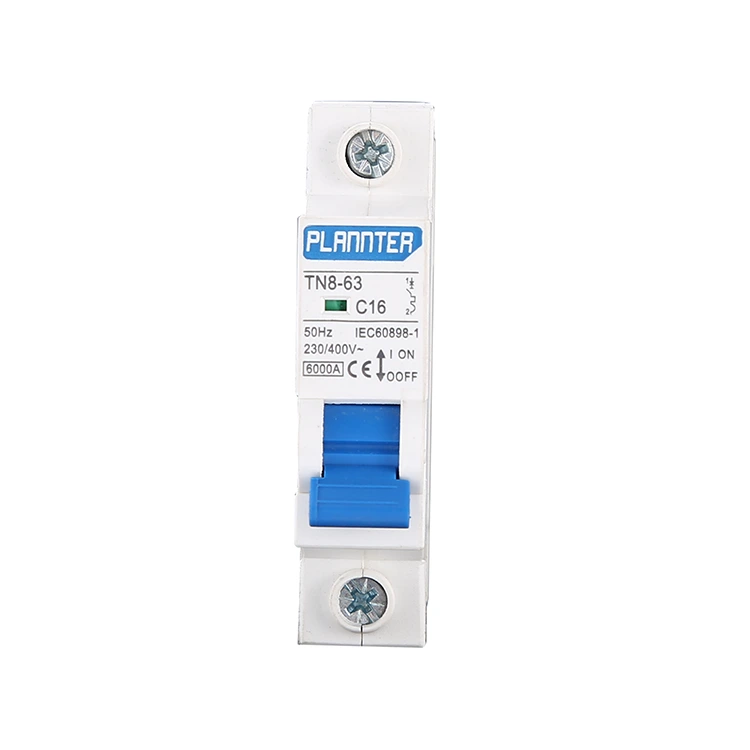
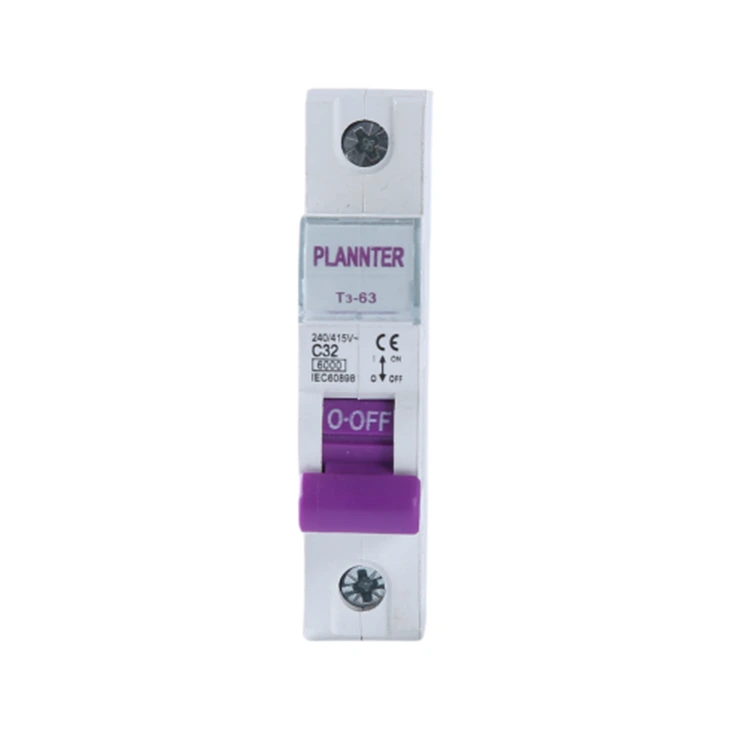
A single-pole breaker is commonly used in low-voltage AC circuits where protection is required for individual branches. These circuits may include lighting systems, control panels, small equipment, and other applications where space efficiency is important.
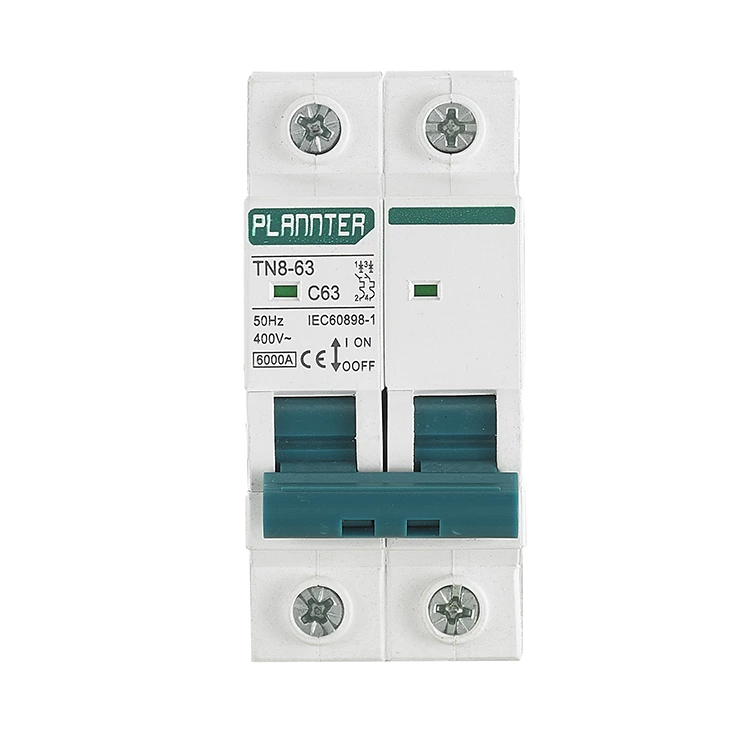
A well-designed 1 Pole AC Circuit Breaker provides protection by disconnecting the circuit when abnormal current exceeds the safe operating range. This helps reduce risks caused by short circuits or overload situations.
Modern electrical projects often focus on three practical goals:
A compact breaker that meets these requirements can help simplify electrical layouts while maintaining protection performance.
Solar-related electrical systems operate in environments where reliability is especially important. Outdoor temperature changes, continuous operation periods, and varying electricity loads can all influence component performance.
When evaluating circuit protection, professionals usually consider several characteristics:
The internal switching mechanism must maintain consistent operation after repeated use. A reliable structure helps ensure that the breaker can respond properly when protection is required.
The breaker should match the designed current range of the circuit. Choosing a device with unsuitable parameters may reduce protection effectiveness.
Production consistency directly affects electrical safety. Automated inspection equipment, precise assembly processes, and strict quality management help maintain product stability.
Zhejiang Pugao Electric Power Co., Ltd. has developed a comprehensive production system that includes automated small circuit breaker semi-production lines, product inspection and validation workstations, laser marking equipment, and multiple assembly lines. These facilities support consistent manufacturing control for low-voltage electrical products.
As distributed energy systems continue to develop, electrical protection is becoming a key consideration across different application environments. Solar backfeeding is no longer limited to large renewable energy projects; it can also appear in smaller installations such as residential buildings, workshops, agricultural facilities, and commercial spaces.
Each application has different operating conditions. A protection solution that works well in one environment may not always be suitable for another. This is why electrical planning should consider system size, load characteristics, installation methods, and local requirements.
Common application scenarios include:
| Application Area | Typical Electrical Characteristics | Protection Consideration |
|---|---|---|
| Residential solar systems | Small loads with changing daily consumption | Compact protection and reliable switching are important |
| Commercial buildings | Multiple circuits and higher energy demand | Clear circuit management helps maintenance efficiency |
| Agricultural facilities | Equipment operating in changing environments | Durable components are preferred for long-term use |
| Small industrial systems | Continuous operation and complex loads | Stable performance is essential |
In these environments, a properly selected 1 Pole AC Circuit Breaker can support individual branch circuit protection while helping create a more organized electrical distribution structure.
Although solar technology has become more common, several misunderstandings still exist regarding circuit protection.
A common concern is that electricity flowing in the opposite direction will prevent a breaker from operating correctly. In reality, circuit breakers are designed primarily to respond to abnormal current conditions rather than simply monitor the direction of energy movement.
The key factors are whether the breaker matches the electrical system requirements and whether installation follows proper standards.
Some people believe selecting a higher-rated breaker automatically improves safety. However, oversized protection may not provide the expected level of circuit protection because the device needs to match the wiring and equipment specifications.
Proper matching is more important than simply choosing a larger capacity.
Compact electrical components are widely used because modern equipment increasingly requires space-saving designs. Control cabinets, automation systems, and distributed power solutions often depend on smaller protection components working together.
This trend has encouraged companies like Zhejiang Pugao Electric Power Co., Ltd. to focus on improving production efficiency, quality consistency, and product reliability in low-voltage electrical equipment.
Electrical safety depends not only on product design but also on manufacturing consistency. Even small differences in assembly quality can influence long-term performance.
A complete quality management system helps control important production stages, including:
Plannter Electric has built its production capabilities around these principles. Established in 2011, Zhejiang Pugao Electric Power Co., Ltd. has focused on low-voltage electrical equipment development for over a decade, covering power distribution switches, control equipment, motors, instrumentation, and related products.
Its production facilities include automated packaging and laminating production lines, fully automatic punching machines, semi-automatic pad printing machines, and multiple spot welding systems. These production resources help improve efficiency while maintaining stable product quality.
For professionals planning electrical projects involving solar systems or other modern power applications, several evaluation points are worth considering.
| Evaluation Factor | Practical Question |
|---|---|
| Rated electrical parameters | Does the product match the circuit requirements? |
| Manufacturing consistency | Are production processes controlled and repeatable? |
| Inspection capability | Are products tested through reliable procedures? |
| Application suitability | Is the design suitable for the intended environment? |
| Long-term stability | Can the product maintain performance during continuous operation? |
These considerations are becoming increasingly important as electrical networks become more flexible. The growth of renewable energy does not remove the need for traditional protection components; instead, it creates higher expectations for their reliability.
The development of solar energy and distributed power generation shows that electrical systems are becoming more interactive. Energy is no longer moving through a single fixed pathway, and equipment must adapt to more complex operating conditions.
Compact protection products will continue to play an important role because they provide practical solutions for branch circuit safety, equipment protection, and electrical organization.
Future improvements may focus on:
For electrical equipment companies, maintaining strong production technology and quality control will remain essential. Experience accumulated from real-world applications can help guide product improvements and support safer electrical environments.
Solar backfeeding represents a major change in how electricity is generated and consumed, but the basic principle of electrical safety remains unchanged. Every circuit requires suitable protection based on actual operating conditions.
The discussion around whether a 1 Pole AC Circuit Breaker can handle modern solar backfeeding is not simply about the breaker itself. It is about selecting the right protection approach, understanding system requirements, and ensuring every component works together effectively.
With 14 years of experience in low-voltage electrical equipment production, Zhejiang Pugao Electric Power Co., Ltd. (Plannter Electric) continues to focus on stable manufacturing processes, quality management, and practical electrical solutions. The company’s 1 Pole AC Circuit Breaker reflects the ongoing industry demand for reliable, compact, and consistent protection equipment in evolving power distribution environments.