News

Why Is a 3 Pole Copper Miniature Circuit Breaker Essential for Modern Electrical Protection?

2026-05-29 0 Leave me a message

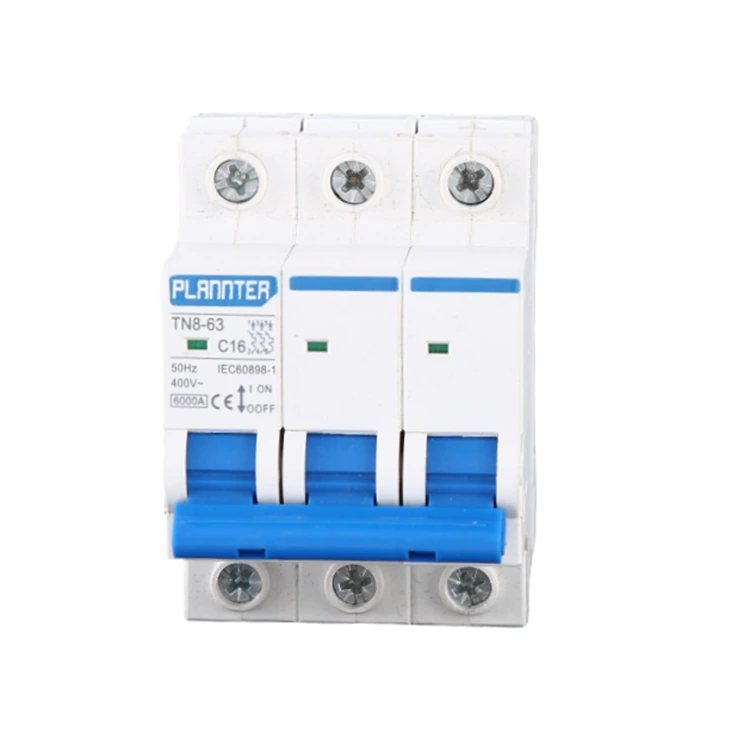
Electrical systems require reliable protection against overloads, short circuits, and power faults. A 3 Pole Copper Miniature Circuit Breaker is designed to provide stable circuit interruption and enhanced conductivity for three-phase electrical systems. This article explains how these breakers work, their advantages, installation considerations, industrial applications, buying factors, maintenance strategies, and common customer concerns. Whether you are an engineer, contractor, factory owner, or distributor, this comprehensive guide will help you choose the right solution for long-term electrical safety and performance.

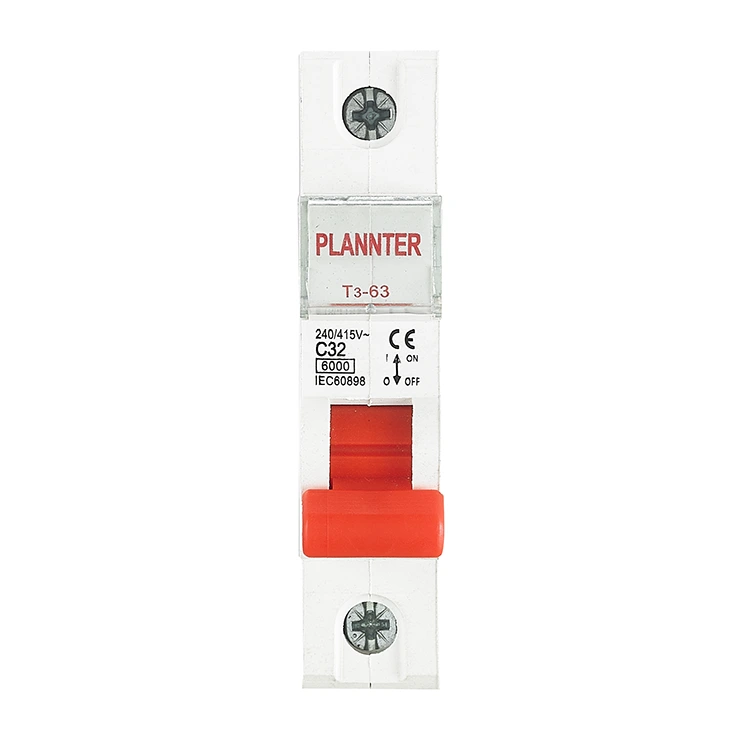
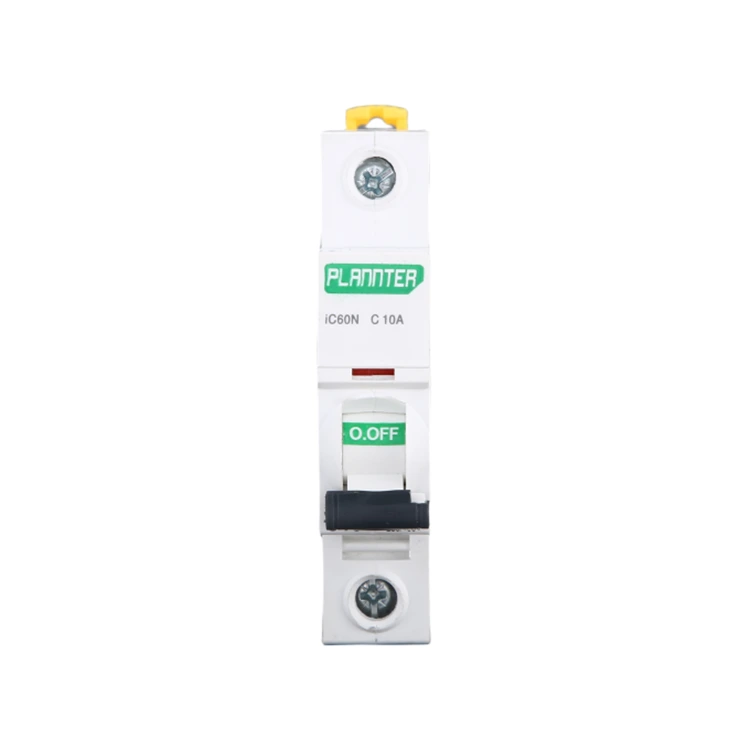
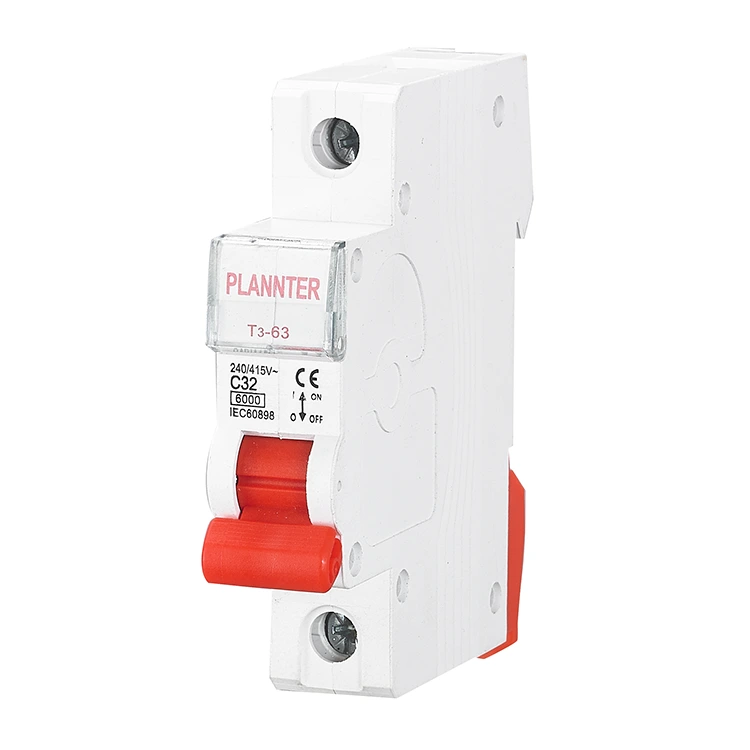
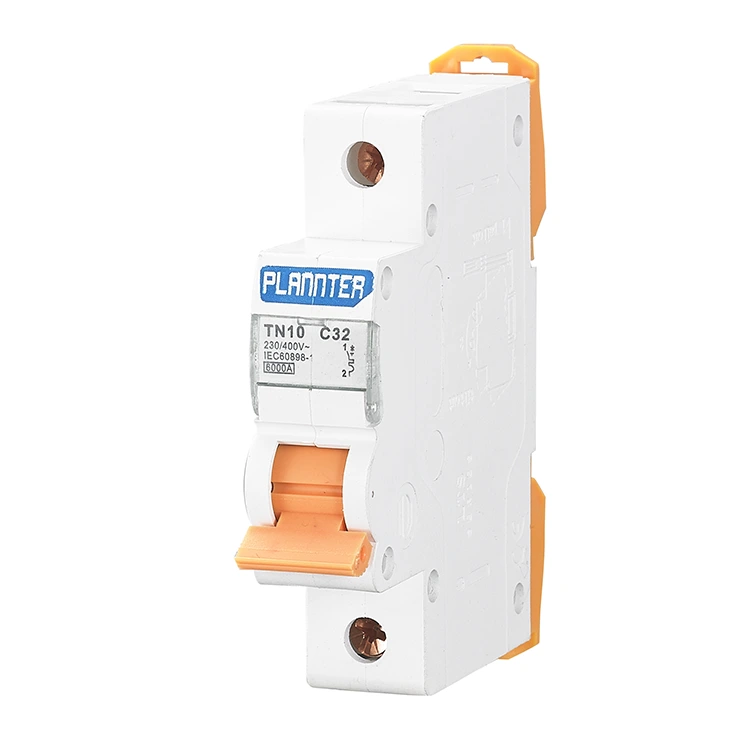
3 Pole Copper Miniature Circuit Breaker

Contents

1. What Is a 3 Pole Copper Miniature Circuit Breaker?

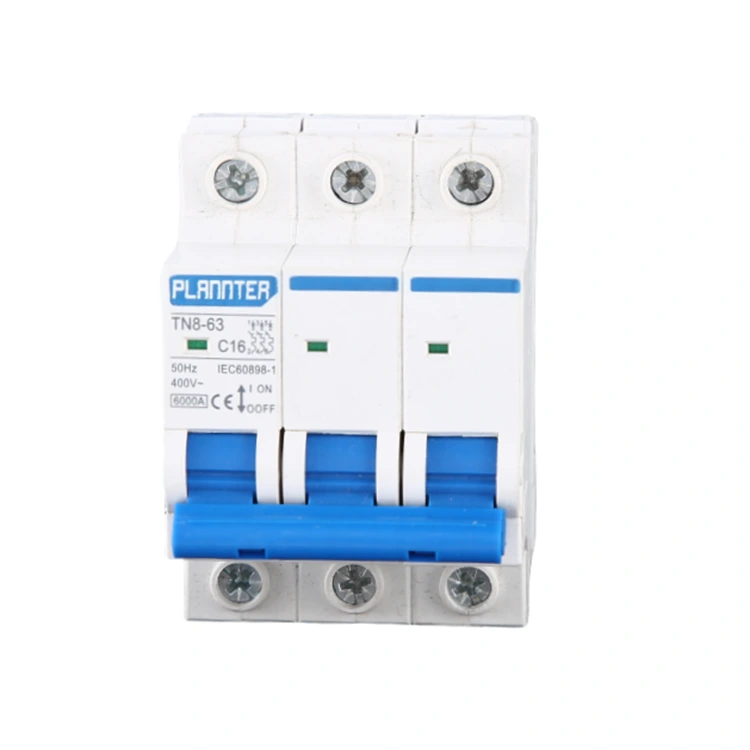
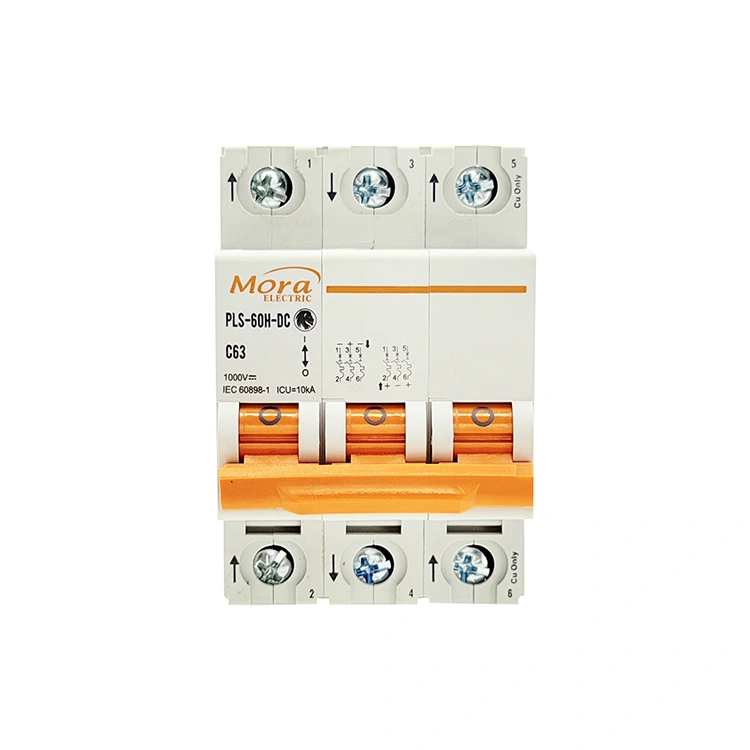
A 3 Pole Copper Miniature Circuit Breaker (MCB) is an electrical protection device specifically designed for three-phase electrical systems. It automatically interrupts the flow of electricity when abnormal current conditions occur, such as overloads or short circuits.

Unlike traditional fuse systems, an MCB can be reset and reused after fault conditions are corrected. The “3 pole” configuration means the breaker simultaneously controls and protects three separate electrical phases.

Copper components inside the breaker provide excellent conductivity, reduced heat generation, and improved long-term durability.

Component Function
Thermal Mechanism Protects against overload conditions
Magnetic Mechanism Responds instantly to short circuits
Copper Conductors Ensure stable electrical conductivity
Trip Unit Disconnects the circuit during faults

2. Why Is Copper Important in Circuit Breakers?

Copper plays a critical role in electrical systems because of its outstanding conductivity and thermal performance. When used inside miniature circuit breakers, copper reduces resistance and minimizes energy loss.

Many low-quality breakers use inferior conductive materials that may overheat under heavy loads. Copper-based designs help maintain system stability and reduce the risk of fire hazards.

  • Excellent electrical conductivity
  • Reduced heat accumulation
  • Longer operational lifespan
  • Improved corrosion resistance
  • Better mechanical strength

In industrial environments where equipment operates continuously, copper components are especially valuable because they help maintain consistent current flow under demanding conditions.

3. How Does a 3 Pole MCB Work?

A 3 Pole Miniature Circuit Breaker continuously monitors the current flowing through each phase. When abnormal conditions are detected, the breaker trips automatically to disconnect power.

The operation process typically includes:

  1. Current flows normally through the breaker.
  2. Overload or fault current exceeds safe limits.
  3. Thermal or magnetic protection activates.
  4. The trip mechanism disconnects all three phases.
  5. The system remains isolated until manually reset.

This coordinated disconnection prevents equipment damage and protects electrical infrastructure from severe failures.

4. Key Features of Modern 3 Pole Copper MCBs

Modern circuit breakers are engineered with advanced safety and performance features. High-quality products from experienced manufacturers offer enhanced operational reliability.

Feature Benefit
Copper Internal Parts Higher conductivity and lower heat
Flame Retardant Housing Enhanced fire protection
Fast Tripping Mechanism Rapid fault isolation
DIN Rail Mounting Easy installation and maintenance
Compact Structure Space-saving panel integration

5. Main Advantages for Industrial Applications

Industrial electrical systems require dependable protection because unexpected downtime can lead to major financial losses. A high-quality 3 Pole Copper Miniature Circuit Breaker provides several operational advantages.

  • Stable protection for motors and machinery
  • Reduced electrical maintenance costs
  • Improved worker safety
  • Lower risk of power interruptions
  • Efficient power distribution management

Industries such as manufacturing, mining, logistics, renewable energy, and construction rely heavily on three-phase systems. Proper breaker protection ensures operational continuity and equipment safety.

6. Common Problems Solved by These Breakers

Many customers experience recurring electrical issues caused by poor-quality protection devices. A premium 3 Pole Copper MCB can help solve the following problems:

Problem Solution Provided
Frequent overheating Copper conductivity reduces temperature rise
Equipment damage Fast trip response protects machinery
Unstable power supply Reliable circuit interruption improves stability
High maintenance expenses Longer service life reduces replacements

7. Residential vs Commercial vs Industrial Usage

Different environments require different breaker specifications. Understanding application scenarios helps customers select the most suitable product.

Application Requirements
Residential Buildings Basic overload and short-circuit protection
Commercial Facilities Stable operation for HVAC and lighting systems
Industrial Plants Heavy-duty protection for motors and machines

8. How to Choose the Right Breaker

Selecting the correct miniature circuit breaker requires careful consideration of multiple technical factors.

  • Rated current capacity
  • Breaking capacity
  • Voltage rating
  • Environmental conditions
  • Installation requirements
  • Certification standards

Customers should avoid choosing products based solely on price. Low-cost breakers may compromise safety and long-term performance.

Reputable manufacturers like Zhejiang Pugao Electric Power Co., Ltd. focus on product quality, stable raw materials, advanced production processes, and strict testing standards to ensure dependable electrical protection.

9. Installation Best Practices

Correct installation is essential for maximizing the performance and lifespan of a miniature circuit breaker.

  1. Disconnect the main power supply before installation.
  2. Verify voltage and current compatibility.
  3. Secure the breaker firmly onto the DIN rail.
  4. Use proper cable sizing and torque settings.
  5. Test breaker operation after installation.

Improper installation may result in loose connections, overheating, or operational failures.

10. Maintenance and Safety Tips

Routine maintenance improves reliability and helps identify potential issues before serious failures occur.

  • Inspect terminals regularly for looseness
  • Check for discoloration or overheating signs
  • Remove dust accumulation inside panels
  • Perform scheduled electrical testing
  • Replace damaged components immediately

Preventive maintenance minimizes downtime and enhances overall electrical system safety.

11. Comparing Copper and Aluminum Components

Some circuit breakers use aluminum conductors instead of copper to reduce production costs. However, copper generally delivers better long-term performance.

Property Copper Aluminum
Conductivity Excellent Moderate
Heat Resistance High Lower
Durability Long-lasting Less durable
Cost Higher Lower

12. Future Trends in Electrical Protection

Electrical protection technologies continue evolving to meet modern energy demands. Smart monitoring, digital diagnostics, and energy-efficient protection systems are becoming increasingly important.

Future miniature circuit breakers may include:

  • Remote monitoring functions
  • IoT-enabled fault diagnostics
  • Enhanced energy management integration
  • Higher environmental resistance
  • Compact high-capacity designs

As industries adopt automation and renewable energy systems, reliable circuit protection will remain a critical component of safe electrical infrastructure.

13. Frequently Asked Questions

Q1: What does “3 pole” mean in an MCB?

It means the breaker protects and disconnects three electrical phases simultaneously in a three-phase system.

Q2: Why are copper components preferred?

Copper offers better conductivity, lower resistance, improved durability, and reduced heat generation compared to many alternative materials.

Q3: Can these breakers be used in industrial environments?

Yes. They are widely used in factories, manufacturing facilities, power distribution systems, and commercial buildings.

Q4: How often should MCBs be inspected?

Regular inspections are recommended every 6–12 months depending on operating conditions and electrical load intensity.

Q5: What certifications should buyers look for?

Buyers should verify compliance with international electrical safety standards and testing certifications relevant to their market.

14. Conclusion

A 3 Pole Copper Miniature Circuit Breaker is a critical component for maintaining safe and efficient electrical systems. Its ability to provide fast protection, stable conductivity, and long-term durability makes it an ideal choice for modern residential, commercial, and industrial applications.

Choosing a high-quality breaker not only protects electrical equipment but also improves operational reliability and reduces maintenance costs over time.

Zhejiang Pugao Electric Power Co., Ltd. is committed to delivering dependable electrical protection solutions with strict quality standards and advanced manufacturing capabilities.

Zhejiang Pugao Electric Power Co., Ltd. provides professional electrical protection products designed for safety, durability, and long-term performance.

Contact us today to get product details, technical support, and customized solutions for your market needs.

Related News
Leave me a message
X
We use cookies to offer you a better browsing experience, analyze site traffic and personalize content. By using this site, you agree to our use of cookies. Privacy Policy
Reject Accept