News

What Is a C32 32A Mini Circuit Breaker and Why Is It So Important for Modern Electrical Safety?

2026-06-24 0 Leave me a message

The C32 32A Mini Circuit Breaker is one of the most widely used protective devices in modern electrical distribution systems. It plays a critical role in safeguarding residential, commercial, and industrial circuits from overloads and short circuits. This article provides a deep technical and practical explanation of how it works, where it is used, how to select the right model, and why it is essential for electrical safety. You will also learn installation practices, troubleshooting methods, and real-world application insights to help you make informed decisions when choosing a circuit protection solution.

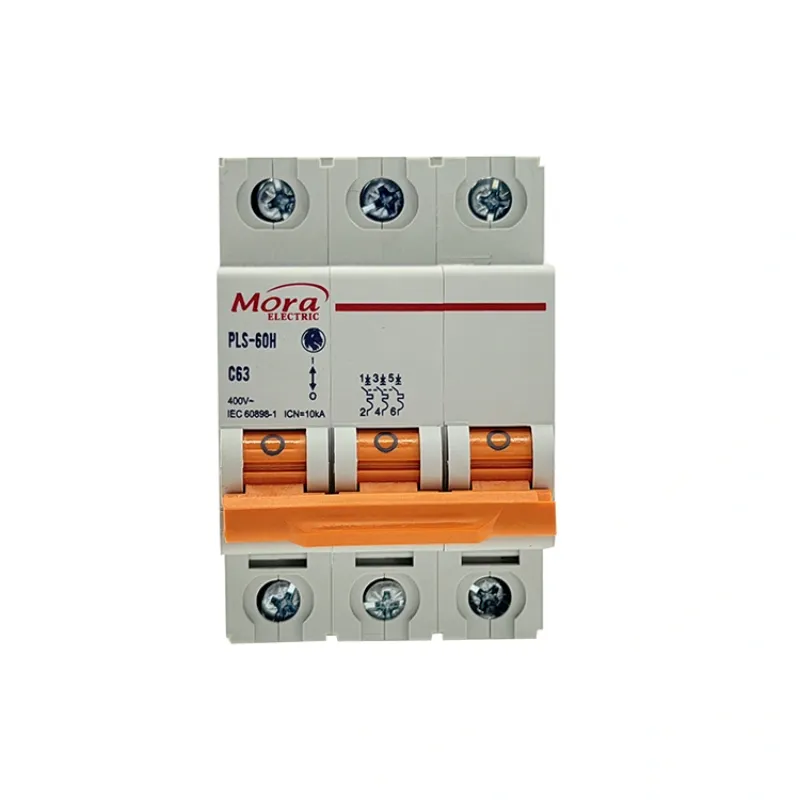
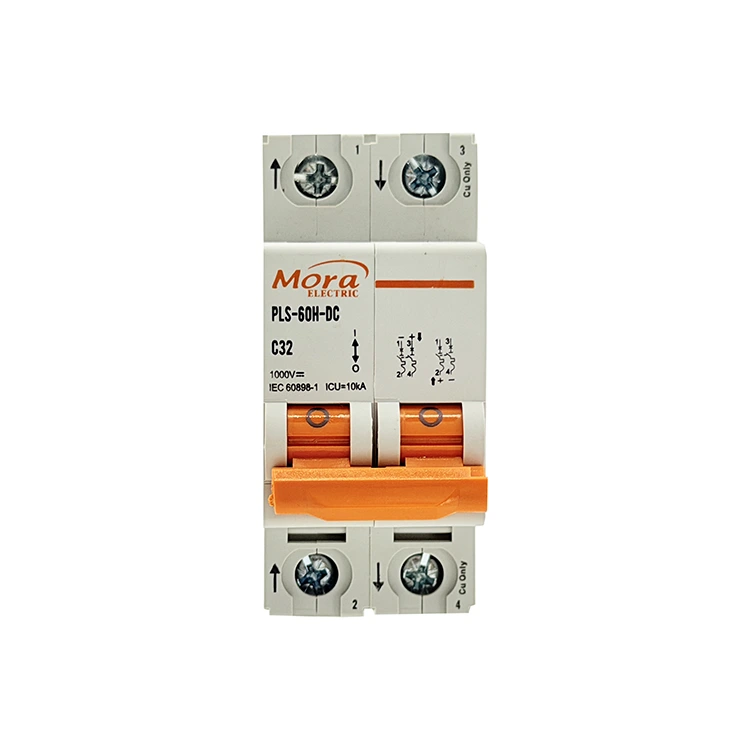
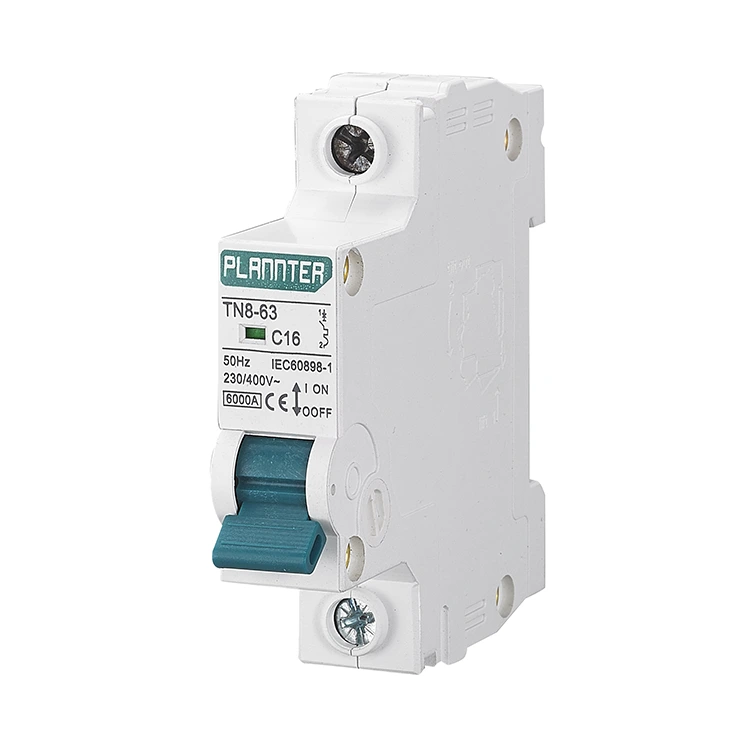
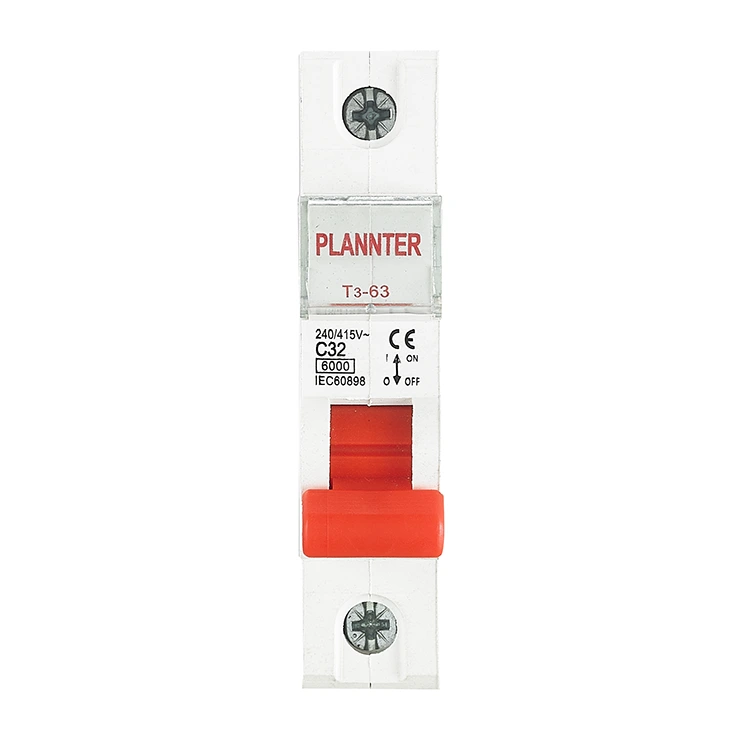
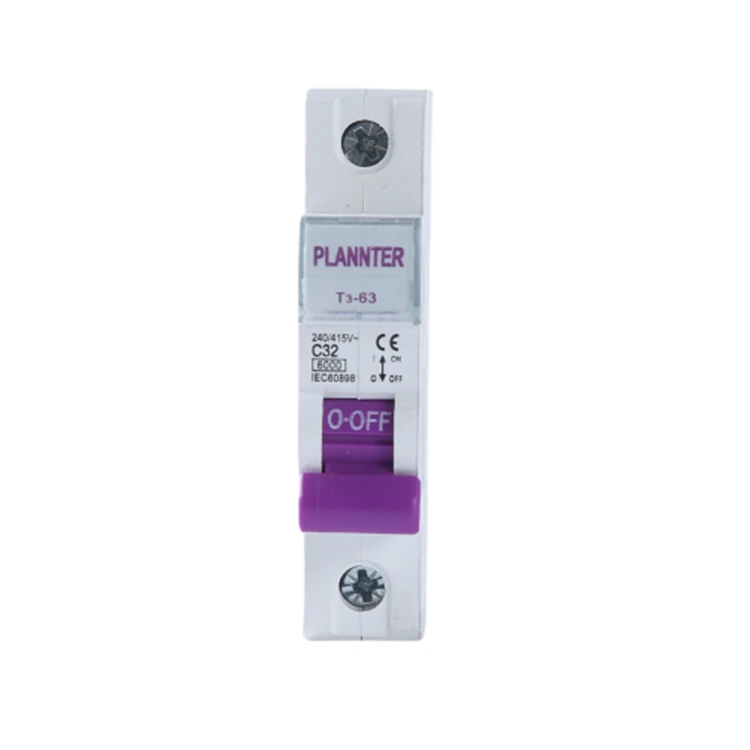
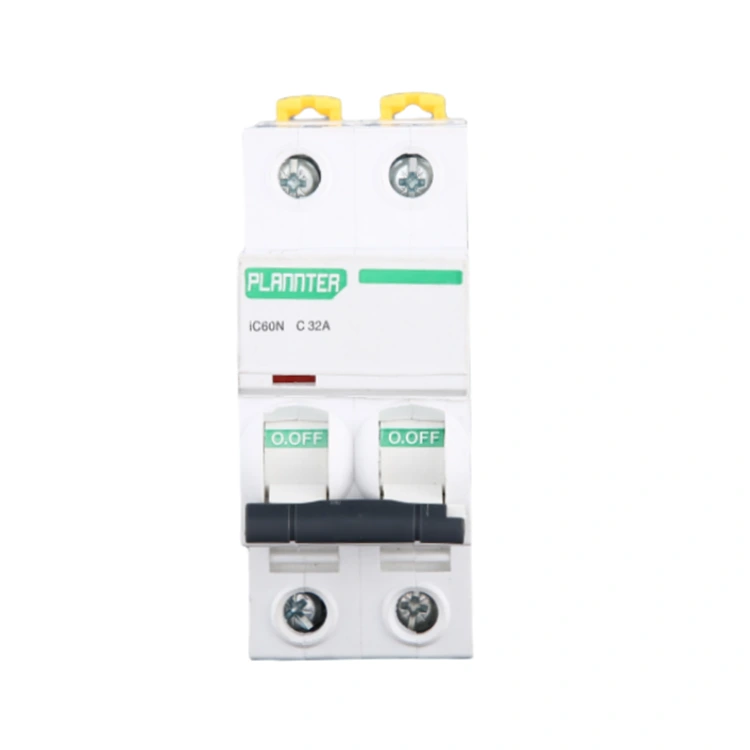
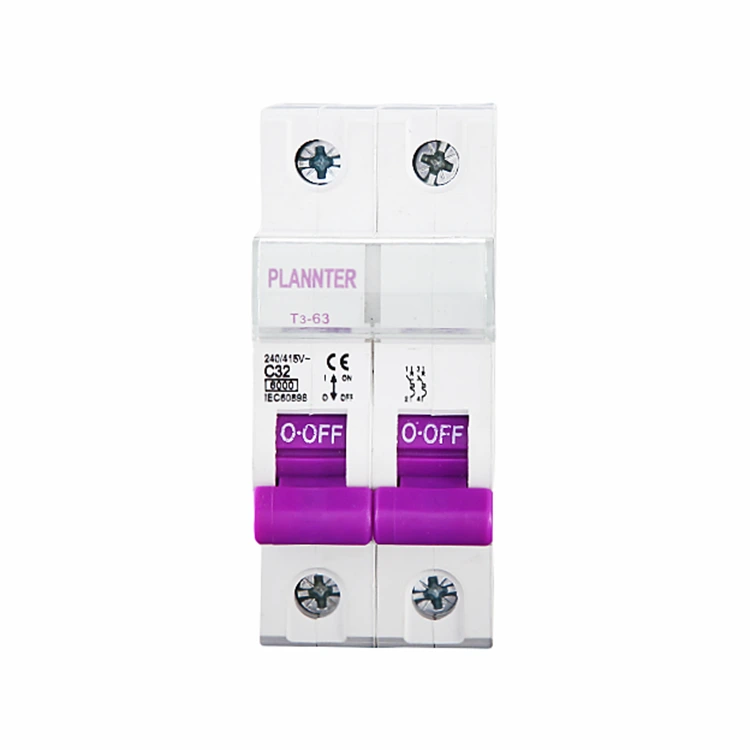
C32 32A Mini Circuit Breaker


Table of Contents


1. Introduction to Mini Circuit Breakers

Electrical systems today demand a high level of safety, stability, and efficiency. As power consumption increases across homes, factories, and commercial buildings, protection devices such as Mini Circuit Breakers (MCBs) have become essential components in distribution boards.

Unlike traditional fuses, which must be replaced after a fault, MCBs can be reset and reused, making them more efficient and cost-effective. They automatically disconnect the circuit when abnormal current flow is detected, preventing damage to appliances and reducing fire risks.

Among various ratings, the C32 32A Mini Circuit Breaker is one of the most commonly used models due to its balance of sensitivity and load capacity.


2. What Is a C32 32A Mini Circuit Breaker?

A C32 32A Mini Circuit Breaker is an electrical protection device designed to handle a rated current of 32 amperes with a C-type tripping curve. The “C” curve indicates that the breaker can tolerate moderate inrush currents before tripping, typically between 5 to 10 times its rated current.

This makes it suitable for circuits with inductive loads such as motors, air conditioners, pumps, and other equipment that require higher startup currents.

  • Rated Current: 32A
  • Tripping Curve: Type C
  • Function: Overload and short-circuit protection
  • Application: Residential, commercial, light industrial systems

3. Technical Parameters Explained

Understanding technical specifications helps users select the correct breaker for their application. Below is a simplified breakdown of important parameters:

Parameter Description
Rated Current 32A continuous load capacity
Breaking Capacity Typically 6kA to 10kA depending on model
Trip Curve C-type (moderate inrush current tolerance)
Voltage Rating 230/400V AC
Poles 1P, 2P, 3P, 4P configurations

4. Working Principle of C32 32A Mini Circuit Breaker

The working mechanism of a C32 MCB is based on two key protection systems: thermal protection and magnetic protection.

  • Thermal Trip: A bimetallic strip bends when overloaded current flows for a prolonged time, triggering a trip mechanism.
  • Magnetic Trip: During a short circuit, a sudden surge of current activates an electromagnetic coil, instantly disconnecting the circuit.

This dual-protection system ensures both gradual overload conditions and sudden faults are handled efficiently.

::contentReference[oaicite:0]{index=0} The above concept helps illustrate how current increases over time can trigger protective responses in electrical systems.


5. Applications in Real Systems

The C32 32A Mini Circuit Breaker is widely used in multiple environments due to its reliability and versatility.

  • Residential distribution boards for lighting and socket circuits
  • Air conditioning systems and HVAC units
  • Water pumps and small motors
  • Commercial office electrical panels
  • Industrial auxiliary circuits

Its ability to handle moderate surge currents makes it especially suitable for inductive loads.


6. Key Benefits and Importance

Choosing a reliable circuit breaker directly affects electrical safety and system stability. The C32 32A MCB provides several advantages:

  • Fast response to electrical faults
  • Reusable after tripping, unlike fuses
  • Compact design suitable for modern panels
  • Improved fire prevention
  • Stable performance under variable load conditions

These benefits make it a core component in modern electrical distribution systems.


7. How to Choose the Right C32 32A MCB

Selecting the correct MCB is critical for system safety. Consider the following factors:

  • Load Type: Resistive or inductive loads
  • Current Requirement: Ensure 32A matches system demand
  • Breaking Capacity: Match fault level of installation site
  • Number of Poles: Based on single-phase or three-phase systems
  • Brand Reliability: Choose certified manufacturers

Proper selection helps avoid nuisance tripping and ensures long-term safety.


8. Installation Guidelines

Correct installation ensures optimal performance and safety:

  • Always disconnect power before installation
  • Use properly rated copper conductors
  • Ensure tight terminal connections
  • Mount on standard DIN rail
  • Follow wiring diagrams strictly

Improper installation may lead to overheating, nuisance tripping, or system failure.


9. Common Problems and Troubleshooting

Even high-quality MCBs may face issues during usage. Common problems include:

  • Frequent tripping due to overload
  • No reset after tripping (internal damage)
  • Loose wiring causing heat buildup
  • Incorrect breaker sizing

Troubleshooting usually involves load checking, wiring inspection, and replacement if necessary.


10. Safety Standards and Compliance

C32 32A Mini Circuit Breakers must comply with international electrical standards such as IEC 60898. These standards ensure consistent performance, safety, and reliability across different manufacturers.

Certified products undergo rigorous testing for thermal stability, mechanical endurance, and short-circuit performance.


11. Maintenance Practices

Although MCBs require minimal maintenance, periodic checks are recommended:

  • Inspect for discoloration or burn marks
  • Check tightness of terminals
  • Test trip function periodically
  • Replace aged or faulty units

Regular inspection ensures long-term electrical safety and system reliability.

12. Technical Comparison Table

Type Rated Current Application Trip Sensitivity
B Curve MCB 6–32A Lighting circuits Low inrush tolerance
C Curve MCB (C32) 32A General inductive loads Medium inrush tolerance
D Curve MCB 32–63A Heavy industrial motors High inrush tolerance

FAQ

Q1: What does C32 mean in a circuit breaker?
It means a Type C breaker with a 32A rated current designed for moderate inrush loads.

Q2: Can a C32 breaker be used for air conditioners?
Yes, it is commonly used for HVAC systems due to motor starting currents.

Q3: What is the lifespan of a mini circuit breaker?
Typically 10–15 years depending on usage and load conditions.

Q4: Why does my C32 breaker trip frequently?
It may indicate overload, short circuit, or incorrect sizing.

Q5: Is professional installation required?
Yes, certified electricians should always perform installation.


Conclusion & Contact Information

The C32 32A Mini Circuit Breaker is a vital component in modern electrical safety systems, ensuring reliable protection against overloads and short circuits. Its versatility makes it suitable for residential, commercial, and light industrial applications. Proper selection, installation, and maintenance are key to maximizing its performance and lifespan.

For high-quality and reliable circuit protection products, Zhejiang Pugao Electric Power Co., Ltd. offers professional solutions designed to meet global safety standards and industrial requirements.

If you are looking for trusted electrical protection solutions, contact us today to learn more about our products, technical support, and customized solutions for your projects.

Related News
Leave me a message
X
We use cookies to offer you a better browsing experience, analyze site traffic and personalize content. By using this site, you agree to our use of cookies.Privacy Policy
RejectAccept