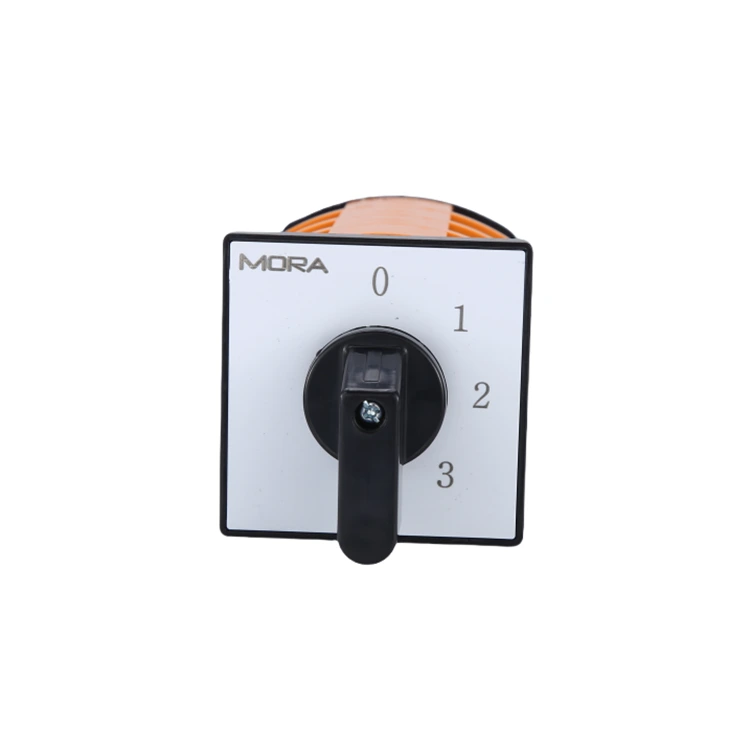
Enclosed Rotary Cam Switch With Padlock Handle
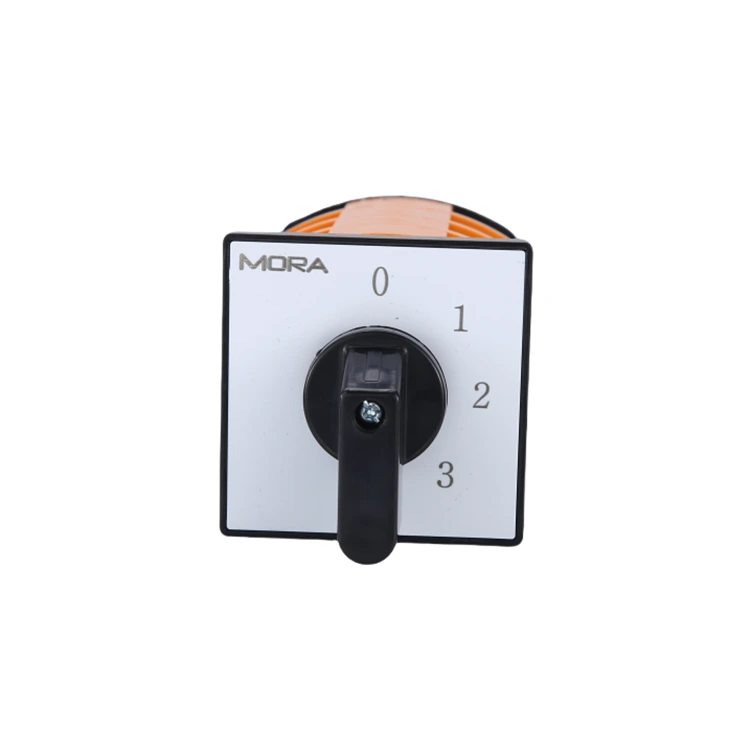
Pugao manufactures Enclosed Rotary Cam Switch With Padlock Handle for electrical installations where a standard exposed switch cannot withstand dust, moisture, oil contamination, or outdoor conditions. The switching mechanism is installed inside a separate protective enclosure, allowing the unit to be mounted directly on machine surfaces or walls without requiring an additional external protection box.
In many production environments, the failure point is not the switching function itself but the surrounding installation conditions. A rotary switch installed near cutting operations, processing equipment, or outdoor machinery may be exposed to airborne particles, coolant splash, rainwater, and oil residue. Without suitable protection, these contaminants can affect electrical components and increase maintenance requirements.
The enclosed structure changes how the switch is installed. Instead of placing the operating mechanism in an open electrical area, the complete switching assembly is protected inside a dedicated housing suitable for demanding working environments.
Why Does Switch Housing Matter In Dusty And Outdoor Installations?
Electrical switches are often installed close to the equipment they control. This creates a practical challenge: the operator needs easy access to the handle, while the internal electrical parts need protection from the surrounding environment.
Open-type rotary switches may require additional protective measures when installed in:
Outdoor equipment exposed to rainfall.
Workshops with metal dust or processing debris.
Areas with oil mist from machinery.
Production lines requiring frequent equipment cleaning.
The Enclosed Rotary Cam Switch With Padlock Handle addresses this installation requirement by integrating the rotary mechanism into a protective box structure.
The enclosed design helps achieve:
Separation between the switching mechanism and external contaminants.
Easier installation on machine frames or walls.
Reduced need for additional protective cabinets.
More convenient access for operators.
For equipment manufacturers, selecting an enclosed switch at the design stage can simplify the electrical layout and reduce extra enclosure work.
Box-Enclosed Construction For Harsh Working Conditions
The main difference between an enclosed rotary switch and an exposed type is the independent protective housing.
The enclosure is built to create a barrier between the operating components and the external environment.
IP65 Protective Housing
The box-enclosed structure provides IP65 protection, helping prevent:
Dust entering the enclosure.
Oil contamination affecting internal parts.
Water spray reaching the switching components.
This makes the switch more suitable for locations where electrical components are exposed to environmental interference.
Engineering Plastic Or Aluminum Alloy Housing Options
Depending on the application requirement, protective boxes can be manufactured using materials such as engineering plastic or aluminum alloy.
|
Housing Material
|
Characteristics
|
Suitable Conditions
|
|
Engineering plastic enclosure
|
Lightweight, insulating, corrosion-resistant
|
General workshops, equipment mounting
|
|
Aluminum alloy enclosure
|
Rigid structure, stronger mechanical protection
|
Machinery environments requiring higher enclosure strength
|
The housing selection depends on installation conditions, equipment structure, and customer requirements.
Rotary Cam Mechanism Inside A Protected Structure
The Enclosed Rotary Cam Switch With Padlock Handle keeps the traditional rotary switching principle while adding environmental protection around the mechanism.
The internal operating system includes:
|
Component
|
Function
|
|
Rotary shaft
|
Transfers handle movement to internal switching parts
|
|
Cam mechanism
|
Changes contact positions according to selected gear
|
|
Contact seat
|
Controls circuit connection and separation
|
|
Positioning mechanism
|
Maintains stable switching positions
|
|
Lockable handle
|
Allows the switch position to be secured
|
When the operator rotates the handle, the shaft drives the cam to change the contact status. The external enclosure protects these components from direct exposure during daily operation.
Installation Methods For Machines And Electrical Systems
Unlike panel-mounted components that require additional cabinet integration, the enclosed version can be installed closer to the equipment itself.
Common installation methods include:
Wall Mounting
The enclosed housing can be fixed directly on a wall near the power source or equipment area, creating a dedicated local switching point.
Machine-Side Installation
For industrial equipment, the switch can be installed on the outer surface of the machine frame, allowing operators to access power control without opening electrical cabinets.
Equipment Control Stations
The enclosed structure is suitable for locations where operators need a visible and accessible manual switching position.
This installation flexibility helps equipment designers reduce additional protective structures around the switch.
Electrical Specifications And Purchasing Reference
Before selecting the switch, buyers should confirm electrical requirements according to the connected equipment.
|
Item
|
Specification
|
|
System type
|
Low-voltage AC/DC applications
|
|
Frequency
|
AC 50Hz
|
|
Operating voltage
|
AC 380V / DC 220V
|
|
Motor application
|
Direct starting of motors below 5KW
|
|
Control functions
|
Motor forward/reverse control, lighting circuits
|
|
Switching frequency
|
Recommended below 15–20 operations per hour
|
The switch is intended for manual circuit connection and disconnection where operation frequency is relatively limited.
Typical Environments Using Enclosed Rotary Switching Equipment
Outdoor Machinery
Outdoor machines face changing weather conditions, including rain, humidity, and airborne particles. An enclosed switch provides a more suitable mounting option compared with exposed electrical components.
Dust-Producing Workshops
Wood processing, metal fabrication, and other production areas may generate dust particles that accumulate around electrical equipment.
The enclosed housing creates a physical barrier between the switching parts and workshop contaminants.
Machinery With Oil Or Water Exposure
Equipment using lubricants, coolant, or cleaning processes often requires additional protection around electrical controls.
Industrial Equipment Manufacturing
Machine builders can integrate enclosed rotary switches directly into equipment designs where external operation and environmental protection are both required.
Quality Verification For International Electrical Markets
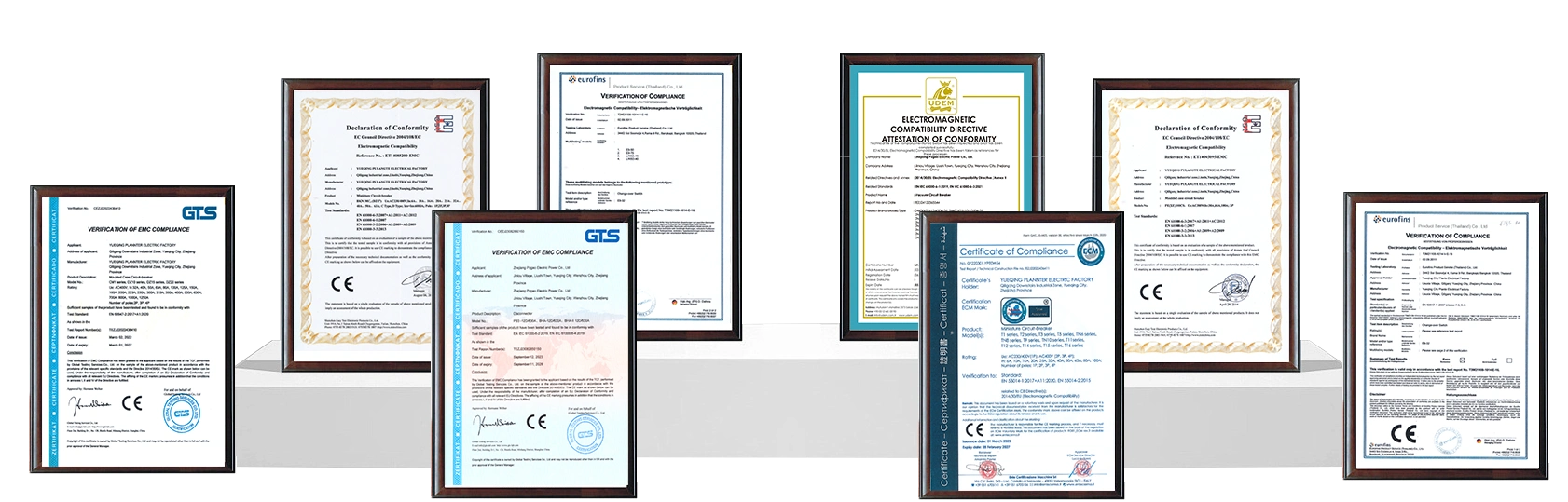
Electrical components used in different countries often require documentation for market access and customer approval. Pugao maintains a quality management system and obtained ISO9001 international quality system certification in 2024.
The company has completed several compliance verification documents:
|
Verification Document
|
Organization
|
|
Verification of EMC Compliance
|
GTS
|
|
Declaration of Conformity – EMC Directive
|
—
|
|
Verification of Compliance
|
Eurofins
|
|
Electromagnetic Compatibility Directive Attestation of Conformity
|
UDEM
|
|
Certificate of Compliance
|
ECM
|
These records provide supporting documentation for customers evaluating electrical components for international projects.
Selection Points Before Ordering
Choosing an enclosed switch requires matching the product with the actual installation environment. Buyers should confirm the following information before purchasing:
Installation Location
Consider whether the switch will be installed:
Outdoors.
Inside dusty workshops.
Near machinery producing oil mist.
On equipment surfaces.
The environmental conditions determine the required enclosure structure.
Electrical Requirements
Confirm:
Operating voltage.
Current requirements.
Connected equipment type.
Switching frequency.
Incorrect electrical matching may affect switching performance and equipment compatibility.
Mounting Requirements
Provide details about:
Wall mounting position.
Machine panel space.
Cable entry direction.
Installation accessories required.
Early confirmation helps ensure the enclosure fits the final equipment layout.
Frequently Asked Questions
Why choose an enclosed rotary switch instead of an open type?
An enclosed structure adds a protective housing around the switching mechanism. It is more suitable for locations where dust, moisture, oil, or water spray may affect exposed electrical components.
Is the Enclosed Rotary Cam Switch With Padlock Handle suitable for outdoor equipment?
The switch uses a box-enclosed structure with IP65 protection, making it suitable for outdoor equipment and environments where protection against dust and water spray is required.
The final installation suitability should also consider local weather conditions and the overall equipment design.
Can the handle be locked after switching?
Yes. The handle design includes a padlock function, allowing operators to secure the switch position according to equipment management requirements.
Can this switch be installed outside an electrical cabinet?
Yes. The enclosed design allows direct mounting on walls or the external surface of machines, reducing dependence on additional protective structures.
What information should be provided for customization?
Buyers can provide:
Voltage requirements.
Application equipment.
Installation method.
Housing requirements.
Quantity requirements.
Pugao can communicate with customers regarding configuration adjustments according to specific applications.
A Protected Switching Choice For Demanding Installation Areas
The Enclosed Rotary Cam Switch With Padlock Handle combines manual rotary switching control with a dedicated protective enclosure, making it suitable for equipment where electrical components must remain separated from dust, moisture, oil, and water spray.
For outdoor machinery, processing workshops, and machine-building projects, the enclosed structure offers a practical way to place switching control closer to the equipment while maintaining environmental protection.