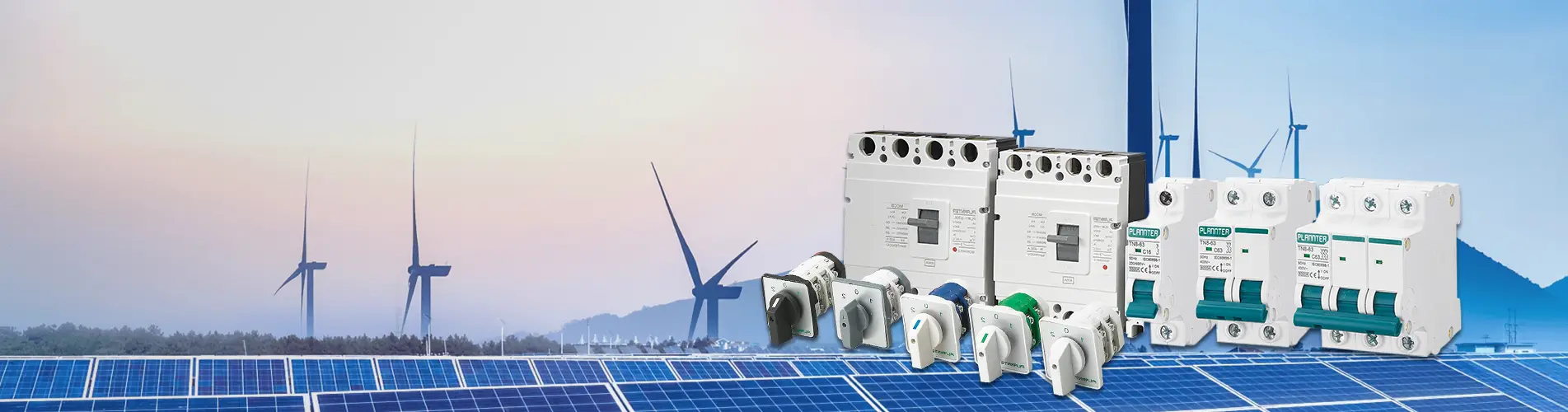
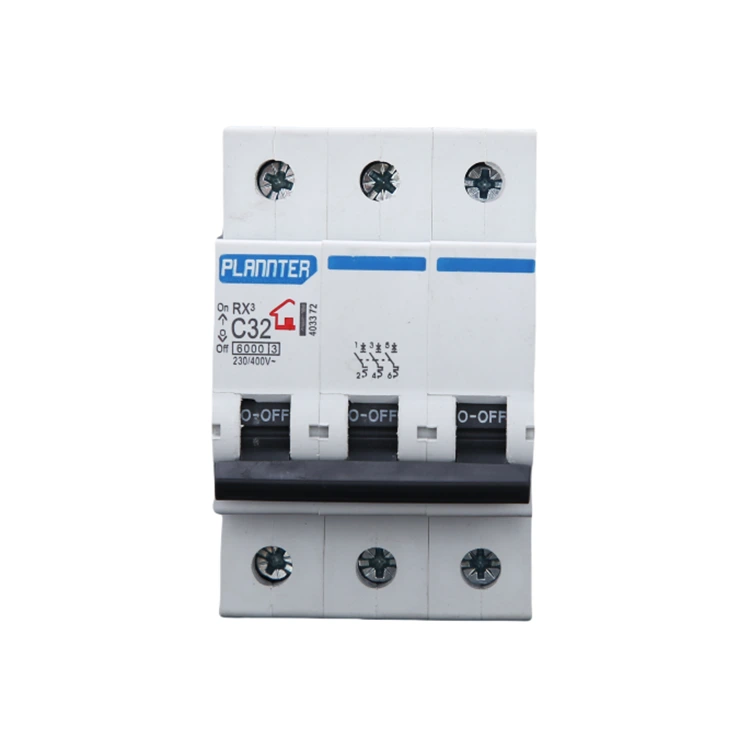
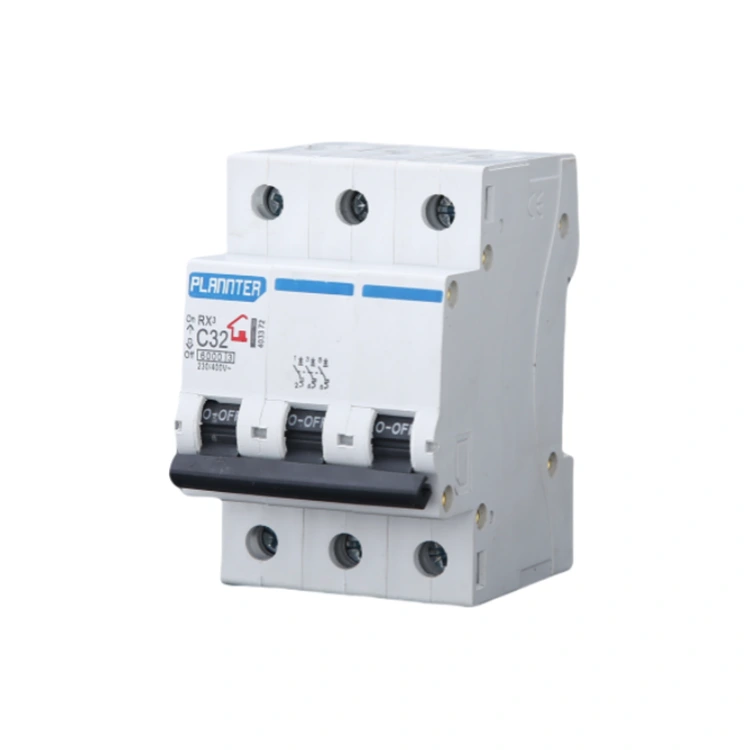
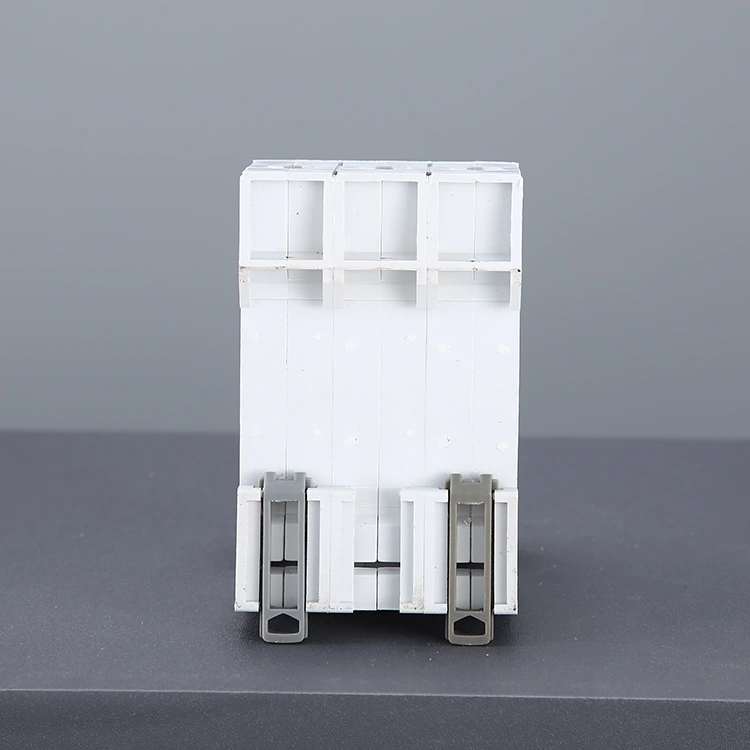
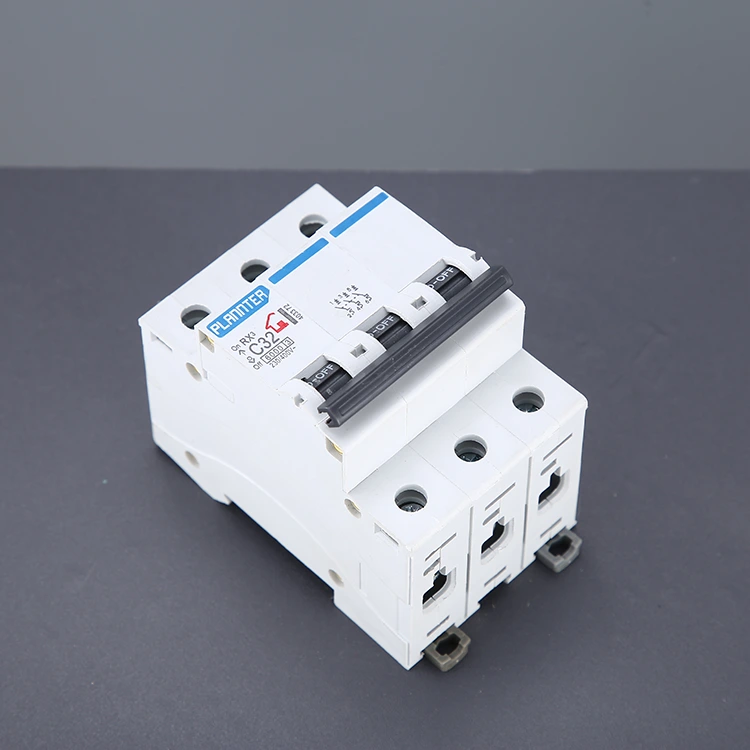
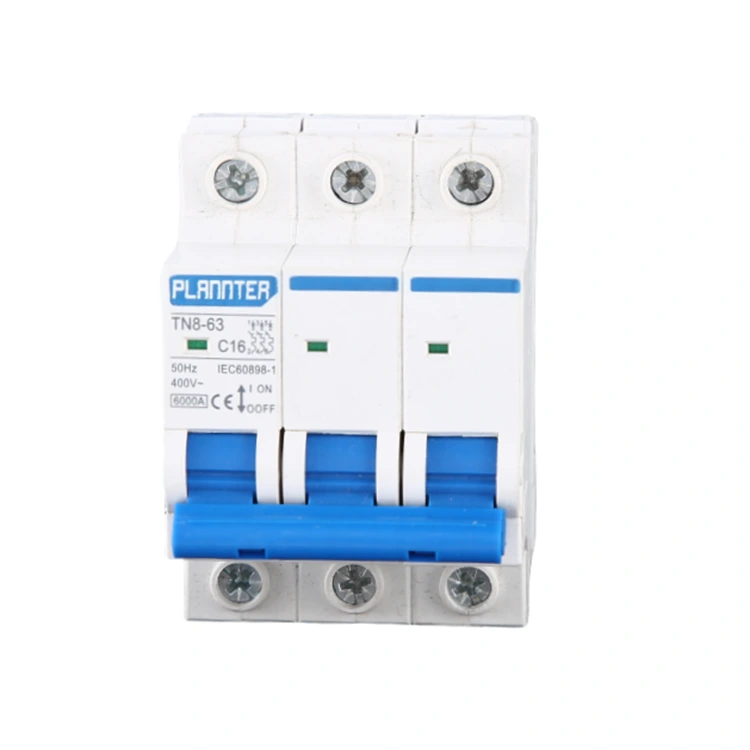
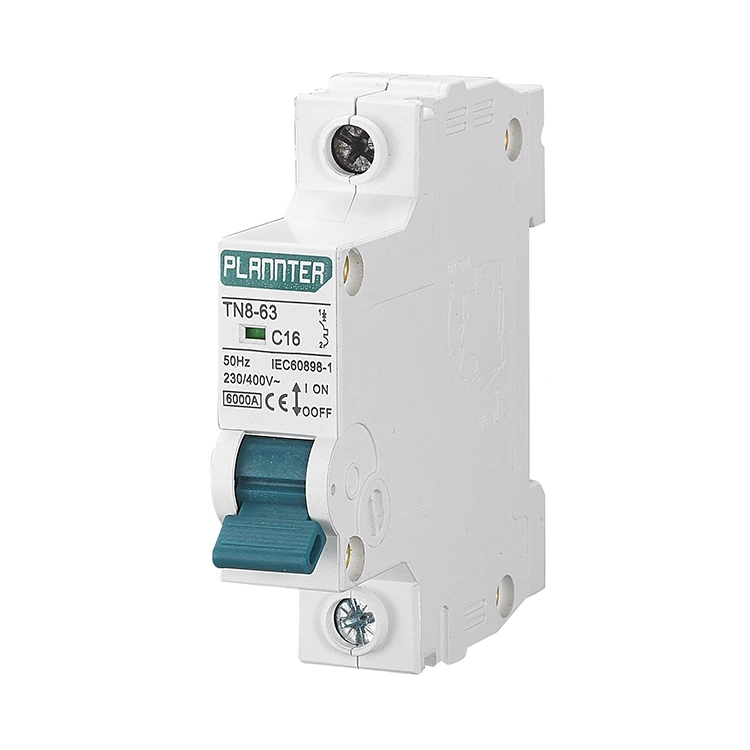
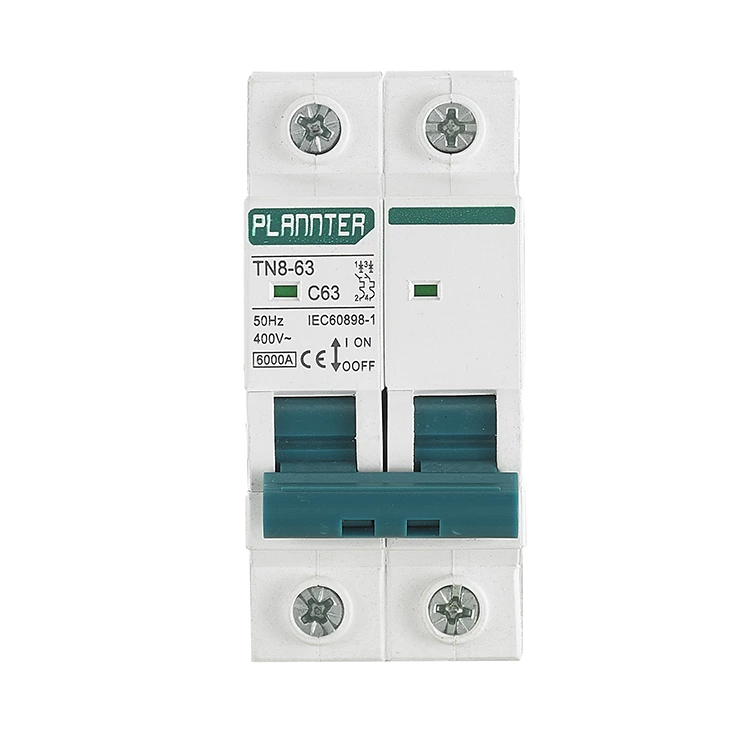
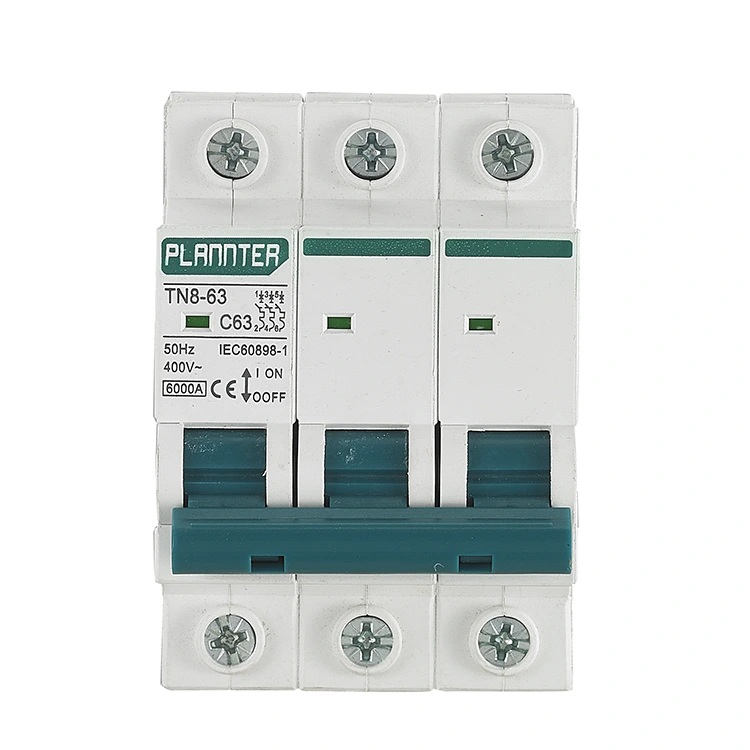
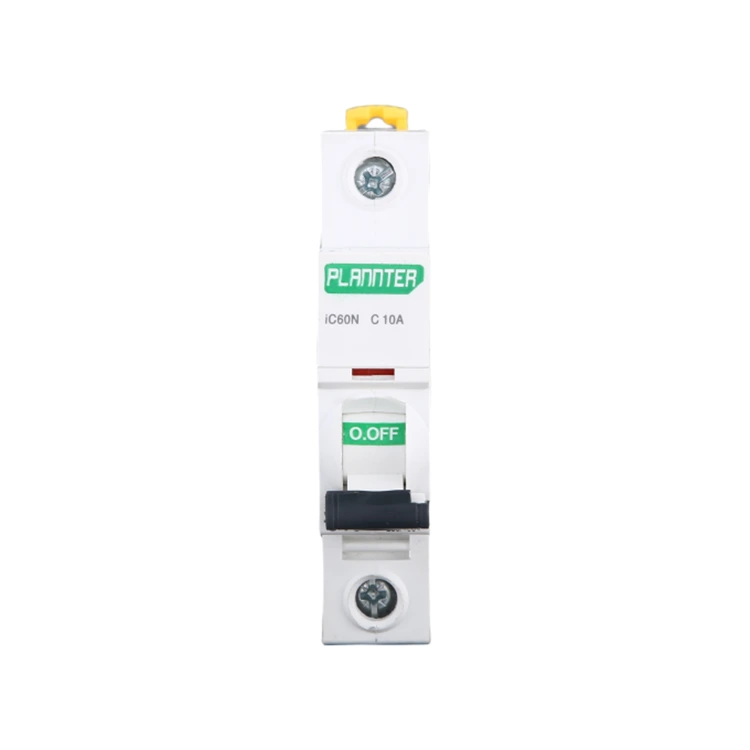
The MCCB is installed in low-voltage distribution systems to provide overload protection, short-circuit interruption, and circuit isolation functions.
The device combines circuit switching and protection functions inside a molded insulated enclosure. When abnormal current conditions occur, the internal trip mechanism activates to disconnect the circuit and protect downstream electrical equipment.
The MCCB is commonly installed in incoming power circuits and distribution sections where reliable protection against abnormal current conditions is required.
It provides protection against overload conditions caused by excessive continuous current, short-circuit faults caused by sudden high current, and manual circuit disconnection during system maintenance.
The MCCB is used in electrical circuits connected to motors, transformers, industrial machinery, control systems, and other low-voltage equipment.
By disconnecting abnormal current conditions, the breaker helps reduce the risk of damage to connected electrical components and supports stable operation of power distribution systems.
The operating mechanism allows manual opening and closing of circuits during equipment inspection, electrical maintenance, system adjustment, and fault troubleshooting.
This isolation function enables technicians to disconnect specific circuits without shutting down the entire electrical distribution system.
The Molded Case Circuit Breaker For Low Voltage Systems is applied in industrial, commercial, and building electrical distribution systems.
| Application Area | MCCB Application |
|---|---|
| Distribution Panels | Installed as incoming and branch circuit protection devices in low-voltage power distribution systems, providing overload protection, short-circuit interruption, and circuit isolation. |
| Control Cabinets | Used to protect electrical components, control modules, and power circuits inside automation and industrial control assemblies. |
| Factory Power Systems | Applied in factory electrical networks to protect motors, machinery, production equipment, and power distribution circuits. |
| Commercial Buildings | Used for electrical protection in lighting systems, HVAC equipment, and general building power distribution. |
| Public Facilities | Installed in electrical infrastructure systems requiring reliable low-voltage circuit protection and isolation functions. |
PUGAO production covers component processing, mechanical assembly, electrical inspection, product identification, and final packaging through automated and semi-automated manufacturing systems.
The manufacturing facility integrates automated production equipment and inspection systems to support consistent MCCB production.
The production system includes automated small circuit breaker semi-production lines, automatic packaging and laminating equipment, fully automatic punching machines, product inspection workstations, laser marking systems, semi-automatic pad printing equipment, semi-automatic spot welding machines, and multiple assembly lines.
These production resources support the complete manufacturing process from component preparation and assembly to product testing and packaging.
The MCCB manufacturing process includes component preparation, mechanical assembly, electrical inspection, product identification, and final packaging.
| Manufacturing Stage | Process Control |
|---|---|
| Component Preparation | Materials and components are inspected according to production specifications before entering the assembly process. |
| Mechanical Assembly | Assembly procedures control component positioning, structural consistency, and mechanical operation performance. |
| Electrical Inspection | Finished products are tested through inspection workstations to verify electrical functions and operating performance. |
| Product Identification | Laser marking equipment records product models, identification information, and production traceability data. |
| Final Packaging | Completed MCCBs undergo final inspection before packaging to confirm product condition and packaging requirements. |

The MCCB internal structure consists of insulation components, current detection mechanisms, switching mechanisms, arc interruption systems, and conductive connection terminals.
The molded case uses insulating materials to provide mechanical protection and electrical insulation for internal components.
The enclosure structure separates conductive components from external surfaces while maintaining protection during normal operation and fault interruption.
The MCCB adopts thermal-magnetic protection technology.
The thermal protection mechanism responds to long-duration overload conditions, while the magnetic protection mechanism reacts to high-current short-circuit faults.
When abnormal current exceeds the protection threshold, the trip mechanism disconnects the circuit automatically.
During circuit interruption, an electrical arc is generated between internal contacts.
The arc chamber controls the arc during the breaking process and helps protect switching components from electrical stress.
The MCCB terminals use silver-copper conductive materials to support stable electrical connections.
The terminal structure provides reliable current transmission, secure wiring connections, and mechanical stability during operation.
The selection of a molded case circuit breaker depends on rated current requirements, protection functions, installation environment, and connected electrical equipment.
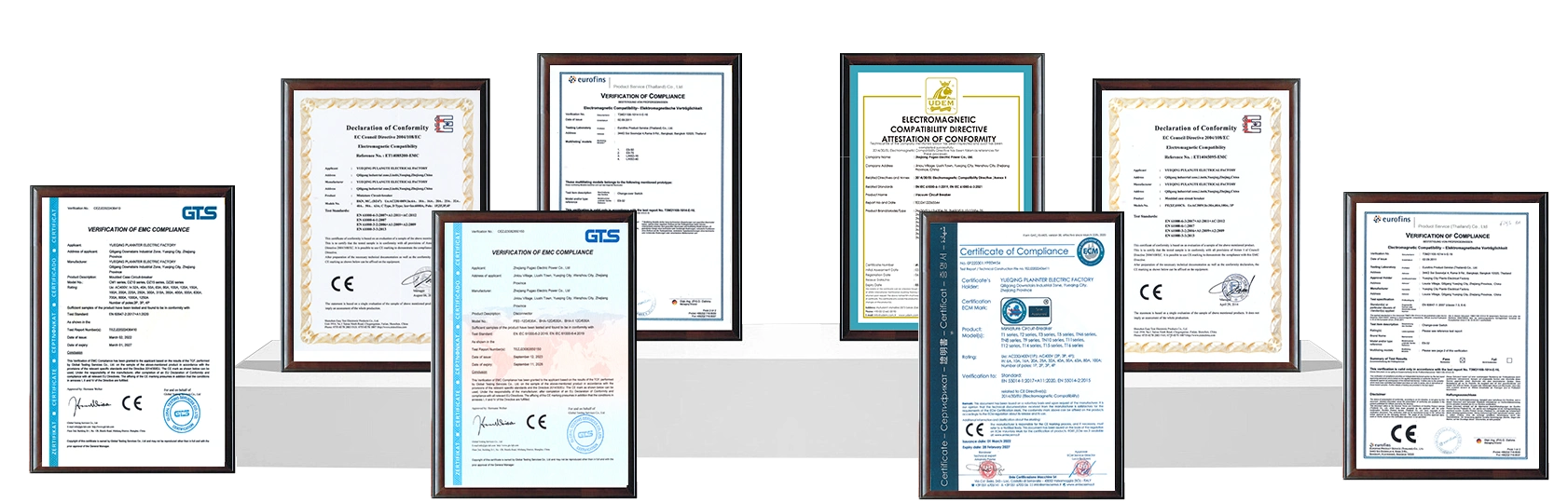
PUGAO MCCB is designed for low-voltage applications requiring reliable overload protection, short-circuit interruption, and manual circuit isolation.
| Item | Description |
|---|---|
| Protection Function | Provides overload protection and short-circuit interruption for low-voltage electrical circuits. |
| Operation Mode | Supports manual circuit switching with automatic tripping during abnormal current conditions. |
| Isolation Capability | Enables circuit disconnection for electrical maintenance and system inspection. |
| Reset Operation | Allows manual reset after fault conditions have been identified and removed. |
| Service Life | Supports more than 10,000 mechanical operations under normal operating conditions. |
PUGAO technical support covers specification confirmation, production communication, and application assistance throughout the product process.
Technical communication includes reviewing product specifications, confirming application conditions, and discussing installation requirements.
During manufacturing, technical information, production status, inspection results, and related documentation are coordinated according to project requirements.
Technical assistance includes installation guidance, operating condition analysis, and application feedback evaluation for long-term system operation.
Low-voltage electrical distribution systems require circuit breakers that combine protection, switching, and isolation functions within a compact molded enclosure.
PUGAO MCCB is suitable for applications requiring:
The manufacturing system integrates automated assembly equipment, inspection workstations, laser marking technology, and ISO9001-based quality management procedures to support consistent product production and traceability.
Q1: What is the difference between Icu and Ics, and which one matters for selection?
A1: Icu (ultimate breaking capacity) is the maximum short-circuit current the breaker can clear once — after that, it may be damaged and need replacement. Ics (service breaking capacity) is the current it can clear repeatedly and still function normally. Always select by Ics, not Icu. For industrial low-voltage systems, Ics must be at least 1.25× the prospective short-circuit current at the installation point. This ensures the breaker survives the fault and remains operational.
Q2: Why does an upstream MCCB trip before the downstream MCB during a short circuit?
A2: Both thermal-magnetic breakers operate within 10ms — they cannot "coordinate" because there is no intentional delay. Which one trips first is purely mechanical "luck", and larger breakers often open faster due to higher magnetic forces. Solution: The upstream breaker must be electronic (ETU) with short-delay protection (Isd) set to ≥100ms. This allows the downstream breaker to clear the fault first, keeping the rest of the system energized.
Q3: After a short-circuit trip, the breaker closes normally — why must it be replaced?
A3: The short-circuit arc has already caused contact metal melting and sputtering. Even though the mechanism still latches, contact resistance can increase by several times, leading to severe localized heating. MCCB short-circuit breaking life is only 1–2 operations. Once a short-circuit trip occurs, schedule replacement immediately. Continuing to use it means the next failure will likely be enclosure rupture, not a clean trip — a serious safety hazard.
Q4: Terminal connections are tightened properly, yet they keep overheating — why?
A4: Over-tightening is actually more dangerous than under-tightening. Excessive torque causes the copper busbar to creep permanently under high-temperature expansion. When the system cools, the busbar contracts, the connection loosens, contact resistance spikes, and thermal runaway begins. Always use a torque screwdriver and follow the manufacturer’s specified torque value precisely. Tightening until it "feels tight" or stripping the thread means the terminal is already compromised.
Address
Qiligang Industrial Zone, Liushi Town, Yueqing City, Zhejiang Province, China
Tel